Burst Strength: Definition, Testing, Application, and Types


When trying to work out if a material can resist pressure, copious wear, transport, and storage, manufacturers often conduct a burst strength test. This helps them choose materials that are durable, efficient, and, above all, safe. Let’s learn more about this useful test.
What is Burst Strength?
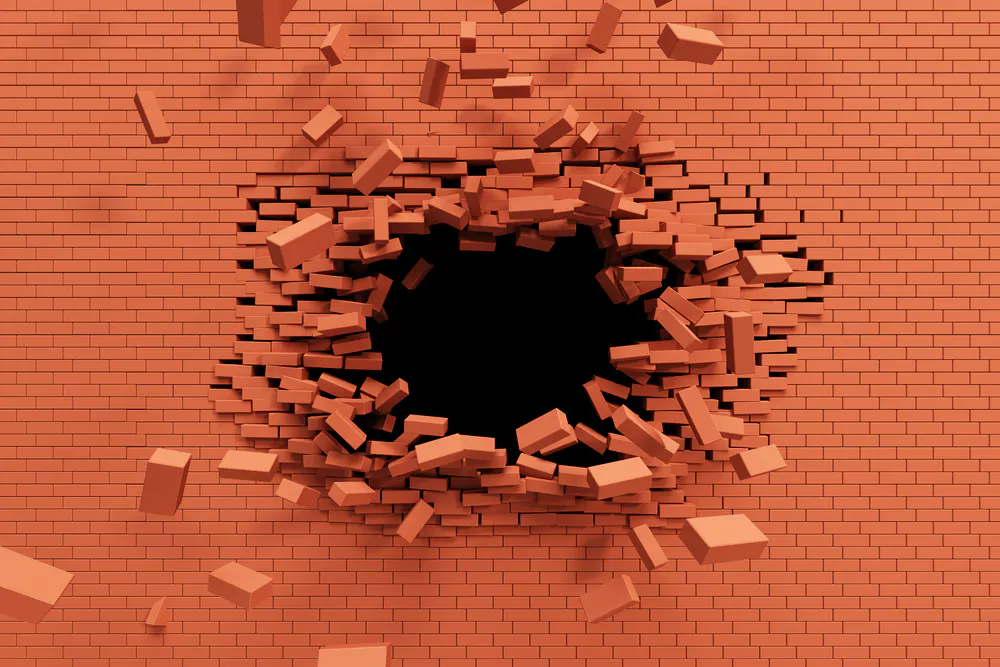
A material’s burst strength is the maximum pressure it can withstand before rupturing. It’s measured in PSI (pound-force per square inch) or kPa (kilopascals), depending on the standard used. When we say “bursting,” we mean rupturing to the extent of failure. The reason it’s called bursting and not, let’s say, breaking is because pressure is involved, so when these parts do fail, they tend to produce a bit (sometimes a lot!) of an explosion. Think of an over-inflated balloon or a full soda can if dropped on the floor.
How Is Burst Strength Measured?
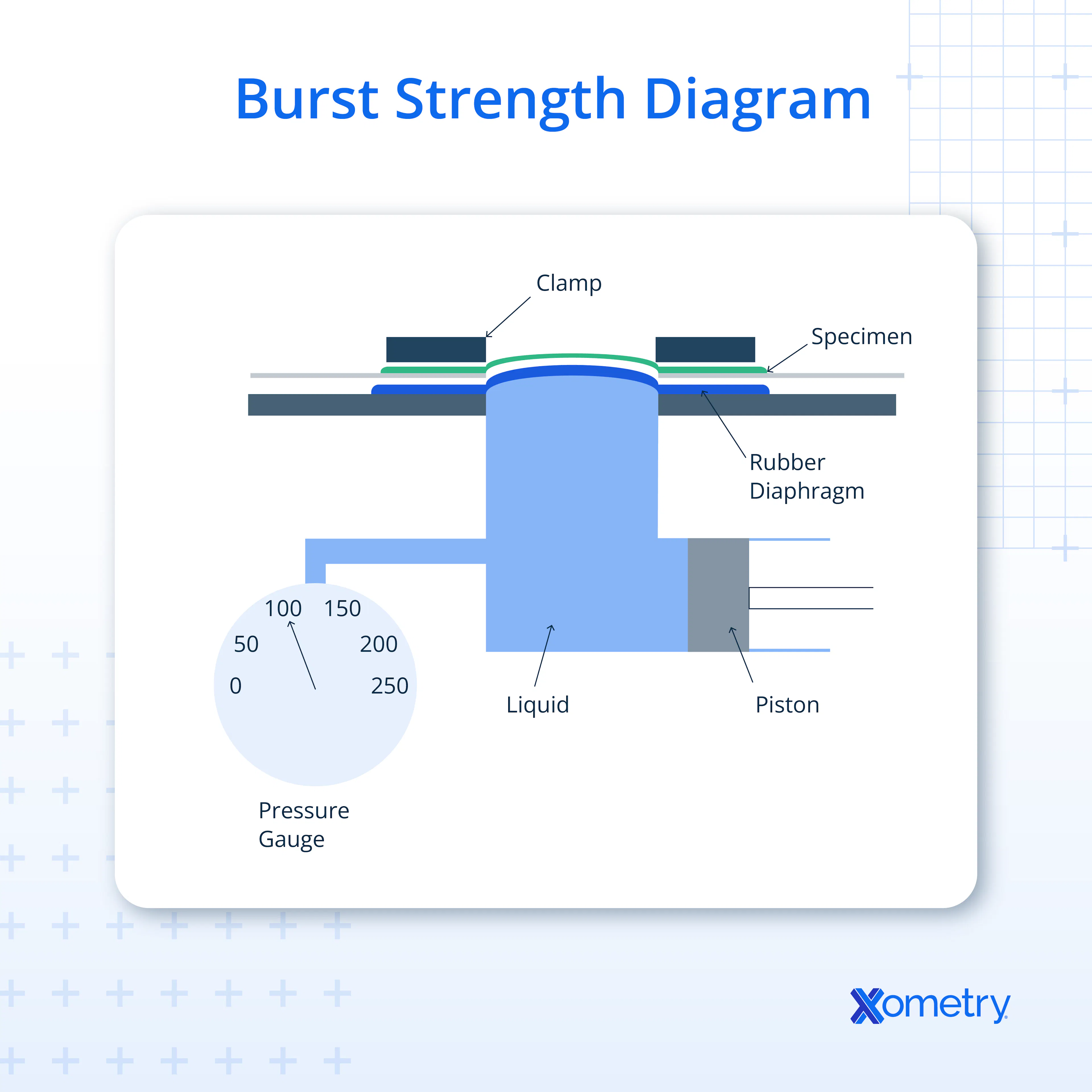
Burst strength is measured using a hydraulic burst strength tester. A sample is first prepared by cutting a circular piece of the material to be tested. The sample is then placed on the rubber diaphragm of the burst strength tester. After this, pressure is gradually applied until the sample bursts. The pressure at which the sample bursts is the burst strength of the material.
What Are the Requirements of Burst Strength Testing?
Valid and repeatable burst strength testing has the following requirements:
- Equipment: A burst strength tester is required.
- Technical Expertise: Testing operators must have adequate training and knowledge of testing standards and equipment.
- Calibration: The equipment used in burst strength testing needs to be calibrated correctly to ensure accurate readings.
- Standards Compliance: The equipment and methodology of the burst strength testing must adhere to the relevant standards.
- Environmental Condition: The testing environment must be controlled. Temperature and humidity can have a significant effect on the burst strength of materials like paper.
What Types of Products Does Burst Strength Is Required?
Burst testing is commonly performed on the following products:
- Paper and Cardboard: Paper, paperboard, and cardboard are often used as packaging materials. They undergo burst strength testing to measure the amount of pressure they can withstand during transportation, use, and storage. By measuring the burst strength, manufacturers can ensure that the packaged product has adequate protection. Packaging manufacturers can also ensure that their products meet industry standards.
- Textiles: The burst strength of fabrics is often tested to assess their resistance to pressure. This is especially useful for fabrics such as clothing or furniture upholstery.
- Plastics: Plastic films, bottles, and containers usually undergo burst strength testing to understand the maximum pressures they can withstand. Measuring their burst strength helps manufacturers understand the durability and limitations of their products.
- Pipes: Metal and plastic pipes undergo a special type of burst test, where internal pressure is increased until the sample ruptures or leaks. This test is crucial for oil and gas pipelines, and the chemical industry.
What Standards Govern Burst Strength Testing?
There are numerous international standards governing burst strength testing. These standards describe how the burst strength for various materials should be measured. Some of these standards include:
- ISO 2758:2014: Describes the method of measuring the burst strength of paper.
- ISO 13938-1:2019: Describes how to measure the bursting strength, of certain fabrics using hydraulic pressure
- ISO 13938-2:2019: Describes how to measure the bursting strength of certain fabrics using pneumatic pressure.
- ISO 2759:2014: Describes a method of determining the bursting strength of paperboards, including corrugated cardboard.
- ASTM F2054: Describes a testing method to measure the burst strength of flexible packaging seals.
- ASTM F1140: Describes methods for testing packaging material’s resistance to pressure, including a burst strength test.
- ASTM D3786: Describes a testing standard for measuring the bursting strength of textiles.
What Are the Benefits of Burst Strength Testing?
A burst strength test ensures that a material is in compliance with and up to the required standards (certain industries have regulations that specify the minimum burst strength requirements). The test helps manufacturers to weed out defective or non-suitable materials, and ultimately find the perfect one for their needs. They’ll also be able to avoid subjecting the final product to pressures that exceed the burst strength limit. Ultimately, knowing this measure can help save money, time, and the company’s reputation in the long run by avoiding product failure.
What Are the Challenges of Burst Strength Testing?
Although it’s undoubtedly a useful test, it’s not done by all manufacturing companies. This could be due to the associated challenges. For instance, the samples need to be prepared consistently to ensure the most accurate results, which can be tricky. The testing equipment (which we’ll go over a bit further down) needs to be regularly calibrated and maintained—something that adds to the budget, and might be unfeasible for smaller companies. Performing the test also requires a certain level of technical expertise to do correctly, meaning extra staff training.
What Applications Need Burst Strength?
That said, there are a few industries in particular that should prioritize this test over others and set aside a budget for it (or would do well to). These include the manufacturing of products that are subject to internal pressures, like packaging materials, textiles, and containers. When it comes to packaging, manufacturers need to make sure that their products, whether plastic or paper, can remain durable and keep the contents of the packages protected during transportation, use, and storage. This is especially important for medical packaging, where the products inside need to stay sterile and safe to use and is conducted on pharmaceutical blister packs and sterile pouches, too.
For textiles, the burst strength is useful to know when making furniture upholstery, and clothes like jeans or weather-resistant and heavy-duty items. It’s also used to test the strength and durability of plastic films, bottles, and containers, and both metal and plastic pipes. For pipes, there’s a special version of the test that adds pressure until the sample ruptures or leaks. It comes in handy for the oil and gas and chemical industries.

"Burst testing directly measures a material's pressure resistance, critical for safety and quality control, but requires careful specimen preparation and secure sealing to ensure accurate and uniform pressure application. Choosing the right test fluid and adhering to safety protocols are also essential for reliable results."
What Machine Is Used for Burst Strength Testing?
To test a material’s burst strength, hydrostatic pressure is applied to a sample of it until it bursts. There are different types of pressure depending on what’s being tested. These are:
- Hydraulic: Uses liquid, like oil or water, to apply force to a material externally
- Pneumatic: Similar to hydraulic pressure but uses compressed air or gas
- Internal pressurization: Uses fluid or gas inside packaging
- Internal air pressure: Similar to internal pressurization but just uses air
For paper, a version of the test, known as a Mullen test (after its inventor, J.M. Mullen), is used, which entails applying hydraulic pressure to a rubber diaphragm, which then transfers the force to the sample until it bursts.
The specific machine used to test this is simply yet aptly named a burst strength tester. These devices are widely available and have everything needed to do the test, but they must be properly calibrated beforehand for an accurate result. The device consists of:
- A sample holder that clamps and holds the material in place
- A plunger used to apply force to the material (often a diaphragm)
- A hydraulic or pneumatic system to provide the pressure
- An analog or digital pressure indicator that shows the amount of pressure put on the sample (can be shown on a computer screen as a graph)
- The controls (buttons and knobs) to operate everything, although some testers nowadays are fully automated and need minimal human intervention
To perform a burst strength test, you’ll need a controlled environment, as temperature and humidity can affect the strength of many materials, like paper. Since there’s some bursting involved (no surprise there), appropriate safety precautions should be taken, i.e., wearing PPE and using shielding. You’ll also need to be fully trained on the method, the equipment, and the relevant standards, some of which can be found in the table below.
Burst Strength by Material
The burst strength testing process is fairly straightforward. The sample—typically a circular or rectangular piece of the test material—is prepped and securely clamped into the tester. In the case of paper and paperboard, the sample is put on a rubber diaphragm. Pressure is then gradually applied until the sample bursts. The pressure at which the sample bursts is the material’s burst strength.
Frequently Asked Questions on Burst Strength
How Xometry Can Help
For any more information or clarification on burst strength, reach out to one of our representatives. We also offer a bunch of manufacturing services, including CNC machining, laser cutting, and 3D printing. You can get started today by uploading your designs to the Xometry Instant Quoting Engine®!
Disclaimer
The content appearing on this webpage is for informational purposes only. Xometry makes no representation or warranty of any kind, be it expressed or implied, as to the accuracy, completeness, or validity of the information. Any performance parameters, geometric tolerances, specific design features, quality and types of materials, or processes should not be inferred to represent what will be delivered by third-party suppliers or manufacturers through Xometry’s network. Buyers seeking quotes for parts are responsible for defining the specific requirements for those parts. Please refer to our terms and conditions for more information.