
Shear Stress: Definition, Formula and Examples


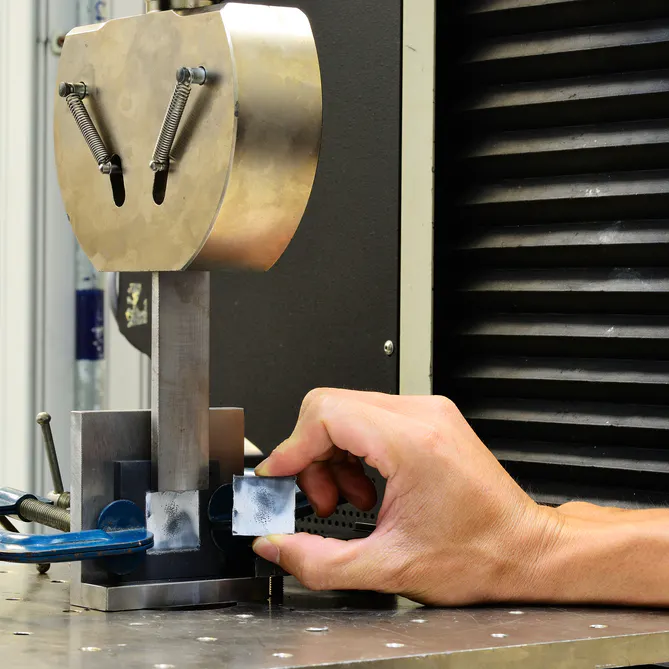
Shear stress represents the internal resistance against forces acting parallel to a material surface. The Shear stress formula τ = F / A calculates the intensity of stress across a cross-section of an object. Measurement units include Pascals or pounds per square inch for engineering consistency across different sectors. Standard symbols provide clarity in technical diagrams and complex mathematical equations. Various materials, like steel or aluminum, react differently to these specific mechanical loads. Analysis of deformation and failure points remains vital for maintaining structural safety. Knowledge of sliding forces helps prevent catastrophic breakage in complex industrial machinery.
What is Shear Stress?
Shear stress is the stress that occurs when a force acts parallel to the surface of a material. Internal layers slide relative to each other during this specific mechanical process within the solid or fluid. External loads create sliding deformation within complex machine components or structural joints. Material integrity depends on the ability of the molecular structure to resist these tangential forces. Engineers monitor these effects to prevent total material failure in high-pressure environments. Precise measurements ensure components remain functional under heavy pressure and environmental strain. Every solid or fluid experiences internal friction when subjected to external loading conditions. Fundamental physics principles explain how atoms shift across parallel planes during deformation. Materials endure these forces in bridges, aircraft, and everyday tools. Understanding these limits prevents catastrophic breakage in heavy machinery. Load distribution remains essential for maintaining safety standards in global construction.
How is Shear Stress Defined in Physics and Engineering?
Shear stress is defined in physics and engineering as the internal force per unit area acting parallel to a material’s cross-section. The definition helps engineers analyze how materials respond to forces that try to cause internal sliding. Tangential loads determine the intensity of the pressure within the solid structure. Surface area plays a major role in distributing the applied mechanical force across the plane. Calculations involve dividing the total parallel load by the specific area of resistance. The structural component experiences some level of internal friction under external pressure. Molecular bonds resist the tendency of layers to shift past each other. Stress values indicate the likelihood of deformation or permanent breakage. Safety standards rely on accurate definitions for load-bearing capacity. Physics principles describe the atomic interactions occurring at the plane of contact.
Is Shear Stress a Force Acting Parallel to a Surface?
Yes, shear stress results from a force acting parallel to a surface or cross-section. The forces produce deformation by causing layers of the material to move relative to each other. Tangential loads define the nature of this mechanical phenomenon in solids and liquids. Surface area determines the intensity of the experienced pressure on the material. Engineers separate these forces from normal stress for calculation purposes. Slant or sideways movements characterize the internal reaction of the material. Molecules slide across each other without changing the total volume of the object. Resistance levels depend on the atomic structure of the specific object being analyzed. Mechanical designers prioritize the values in fastener selection and joint design. Every structural joint must endure these parallel loading conditions to maintain stability.
What is the Shear Stress Formula?
The shear stress formula is τ = F / A, where τ represents shear stress, F is the applied force, and A is the area over which the force acts. The relationship describes how stress increases when force increases, or the area decreases. Engineers utilize this mathematical expression to determine the safety of mechanical parts. Accuracy in the calculations prevents the deformation of structural elements. The Greek letter tau serves as the standard variable for this specific type of stress. Force is measured in Newtons, while the area is measured in square meters. The ratio provides a quantifiable value for the intensity of internal sliding. Understanding the formula allows for the prediction of material failure under load. Proper application of the equation ensures the longevity of machines and buildings. The structural analysis begins with the evaluation of the core variables.
How is Shear Stress Calculated Using Force and Area?
Shear stress is calculated using force and area by dividing the applied force parallel to the surface by the cross-sectional area experiencing the force. The calculation helps determine how much stress a material experiences under shear loading. Accuracy in measurement ensures the structural integrity of the component. Engineers apply the method to analyze fasteners like bolts and rivets. Larger surface areas reduce the intensity of the stress for a given load. The design project requires a thorough evaluation of the two variables. Mathematical models predict the point of failure by comparing the results to material strengths. Precision in the calculation prevents the occurrence of metal fatigue. Modern software automates this process for complex geometries. Material scientists rely on these values to develop stronger alloys.
Does the Shear Stress Formula Use Force Divided by Area?
Yes, the shear stress formula uses force divided by area for every calculation. The formula expresses how the magnitude of stress depends on the distribution of force over a surface. Smaller surface areas experience higher intensity pressure under identical loads. Engineering designs prioritize larger contact points to minimize internal sliding. The structural joint undergoes rigorous testing based on the ratio. Mathematical accuracy ensures the safety of bridges and heavy buildings. Calculating the distribution of pressure prevents the occurrence of metal fatigue. Precise data helps designers select the most durable fasteners. Maintaining the correct proportions between load and area ensures structural stability.
What Units are Used to Measure Shear Stress?
The units used to measure shear stress are listed below.
- Pascal: The SI unit system defines one Newton per square meter as the base measurement. The engineering calculation in Europe relies on the metric standard for consistency.
- Pounds Per Square Inch: Imperial systems utilize the PSI unit for industrial manufacturing applications. Sectors in North America prefer the pound-force scale for pressure.
- Megapascal: Large scale structural projects use multiples of the basic unit for simplicity. High intensity forces in heavy construction require large numerical values to be expressed in megapascals for manageable notation.
How are Shear Stress Units Expressed in the SI System?
Shear Stress is expressed in Pascals (Pa) in the SI system, which represents force per unit area. The unit allows engineers to quantify how much tangential force acts over a surface area. One Pascal equals one Newton of force applied per square meter of material. High intensity loads require the use of kilopascals or megapascals for easier notation in reports. Metric measurements ensure consistency across global manufacturing and construction standards. The laboratory test report utilizes the Pascal as the primary unit of pressure. Macroscopic sliding resistance remains the focus of these specific numerical values. Structural calculations depend on accurate data points expressed in the metric format. Safety protocols mandate the use of standardized units for all building projects. Material scientists compare different alloys using the Pascal scale.
Is Shear Stress Measured in Pascals?
Yes, shear stress is measured in Pascals within the SI unit system. One Pascal represents one Newton of force applied over one square meter. Engineers utilize the metric scale for consistency in international research documents. Engineering units like psi remain relevant for specific industrial calculations. High-pressure environments require the use of megapascals for manageable numbers in documentation. Standard units provide a clear baseline for material strength comparisons. The laboratory report lists the values to ensure structural safety. Proper measurement prevents errors in mechanical design and manufacturing. Global standards facilitate communication between designers from different countries.
What Symbol Represents Shear Stress?
The symbol representing shear stress is the Greek letter tau (τ). The symbol distinguishes shear stress from other stress types used in mechanics. Standardized notation ensures clarity in technical diagrams and blueprints. Engineers recognize the character as an indicator of tangential internal forces. Consistency in symbol usage prevents errors in complex mathematical modeling. The scientific publication adheres to this established convention. The symbol provides a concise way to represent shear stress in equations. Accuracy in documentation remains a priority for structural safety. Textbooks introduce the character as the primary variable for sliding resistance. Professionals utilize the mark in professional design software and reports.
Why is the Greek Symbol Tau Used for Shear Stress?
The Greek letter tau (τ) represents shear stress in formulas and engineering calculations. Standardized symbols help maintain consistency across scientific and engineering disciplines worldwide. Consistency prevents confusion during the design and manufacturing of complex machines. Technical documents utilize the symbol to distinguish tangential forces from normal stress. Every textbook and research paper follows this established mathematical convention. Global communication between engineers depends on a shared set of characters. Material testing data becomes easier to interpret with the use of standard notation. Precision in documentation ensures the safety and reliability of structural projects. Historical usage in physics solidified the role of the character in mechanical models. Designers recognize the mark instantly on blueprints and schematics.
Is the Symbol τ Commonly Used for Shear Stress?
Yes, τ is the standard symbol used to represent shear stress in technical documents. It appears in textbooks, equations, and engineering design manuals around the world. Standardized notation ensures clarity between different scientific and mechanical disciplines. Designers recognize the Greek letter as a specific indicator of tangential force. Consistency prevents confusion when interpreting complex structural diagrams. The mechanical formula for sliding resistance utilizes the tau character. Mathematical models for torsion and beam deflection rely on the symbol. Proper documentation requires adherence to these established engineering conventions. Students and professionals alike depend on the clarity provided by this mark.
"Efficient component design necessitates a granular understanding of how DFM principles mitigate peak shear concentrations: often by optimizing cross-sectional geometry or refining GD&T callouts for critical fastener interfaces. In high-performance assemblies (where material fatigue is a primary failure mode) selecting alloys like 4140 or A572 ensures the necessary toughness to handle complex transverse loading cycles without compromising structural reliability."
What Causes Shear Stress in Materials?
The causes of shear stress in materials are listed below.
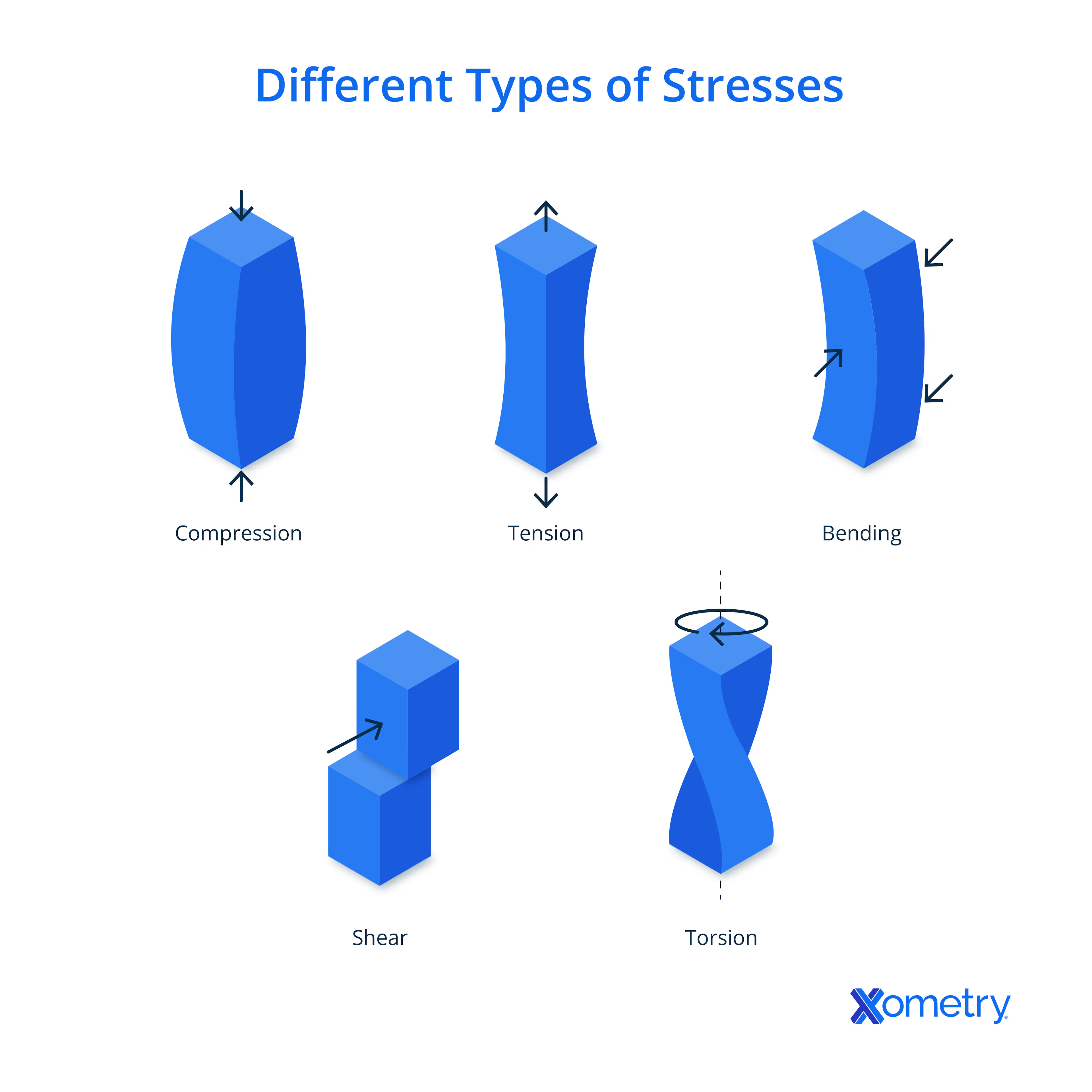
- Transverse Loads: External forces apply a load perpendicular to the longitudinal axis of an object. Parallel internal layers shift sideways during the loading process.
- Frictional Forces: Surfaces moving against each other generate significant resistance at the boundary. Interaction between moving parts creates stress across the contact area.
- Torsional Forces: Twisting motions apply torque to cylindrical components or shafts. Internal sections rotate relative to one another under heavy circular loads.
How do Shear Forces Create Shearing Stress?
Shear forces create shear stress by applying tangential loads across a material’s cross-section. This stress distribution produces deformation within the internal structure. Forces act in opposite directions on parallel planes within the object. Molecules shift relative to each other as the external shear load increases. Structural integrity depends on the ability of the material to resist these shifts. High intensity loads lead to sliding failure in weak areas. Engineers calculate the distribution of force to identify potential failure points. The mechanical joint experiences some degree of internal sliding. Understanding this phenomenon helps in designing more durable machines. Precise modeling predicts the reaction of the material to various loads.
Can Shear Forces Change the Shape of a Material?
Yes, shear forces change the shape of a material by causing layers to shift. The forces produce deformation by moving internal components relative to each other. Excessive stress leads to permanent alterations in the physical geometry of an object. Engineers monitor the changes to prevent complete structural failure. Materials experience angular distortion under constant tangential pressure. Elastic limits define the boundary for returning to the original shape. Plastic deformation occurs once the applied load exceeds the material strength. The solid object exhibits some reaction to sideways pressure. Structural integrity remains the primary concern for designers. Maintaining the original dimensions ensures the longevity of the component.
What is the Relationship Between Shear Stress and Shear Strain?
The relationship between shear stress and shear strain describes how forces cause material deformation. Shear stress causes deformation measured as angular displacement. The greater the applied shear stress, the greater the resulting deformation within the elastic range. Engineers utilize Hooke's Law for shear to calculate these values. The shear modulus determines the ratio between the shear stress and the shear strain. The alloy reacts differently to internal sliding pressures. Precise measurements define the mechanical properties of new materials. Understanding this connection helps in predicting the behavior of structures. Safety standards require a thorough analysis of these interacting variables. Laboratory tests quantify the interplay between Shear Stress and Shear Strain.
How does Shear Strain Describe Material Deformation?
Shear strain measures the angular deformation caused by shear stress in a material. It describes how much one layer of material shifts relative to another. Angular changes occur when parallel planes move in opposite directions. The measurement provides a dimensionless value for the magnitude of the angular distortion. Engineers monitor the values to ensure structures remain within safe limits. Material properties dictate the amount of strain for a given stress. Precise mathematical models represent the physical change in shape. Understanding this concept is vital for analyzing beams and shafts. The structural element undergoes some degree of angular shifting under load. Research focuses on minimizing these effects in high-precision machinery.
Does Increasing Shear Stress Increase Shear Strain?
Yes, increasing shear stress increases shear strain within the elastic limit of a material. Permanent deformation or structural failure occurs beyond the specific limit. Material strength dictates the relationship between force and displacement. Engineers utilize this data to design components that maintain their shape. The structural test identifies the threshold for irreversible changes. High-performance alloys resist large amounts of angular shifting. Precise data points help in selecting the right material for a project. Structural safety depends on staying within the predictable elastic range. Maintaining low levels of distortion protects the integrity of the object. Analysis of various loads reveals the specific properties of Shear Strain.
Where does Shear Stress Occur in Real Engineering Structures?
Shear stress occurs in engineering structural elements subjected to transverse loads in industrial environments. Examples include beams, fasteners, and structural joints in buildings. Engineers monitor the forces to prevent buckling or snapping. Beams experience internal sliding when supporting heavy floors. Bolts and rivets resist forces that try to slide plates apart. The mechanical connection must handle some level of tangential pressure. Aircraft frames endure these loads during takeoff and landing. Bridge supports counteract the shifting forces of moving traffic. Precise calculations ensure the safety of modern infrastructure. Material choice plays a critical role in resisting the mechanical effects.
How does Shear Stress Act in Beams and Bolts?
Shear stress develops across the cross-section when loads are applied vertically in beams. Shear stress occurs when forces attempt to slide connected components in bolts and fasteners. Structural stability depends on the resistance of the metal to internal shifting. High loads create pressure points that require careful engineering analysis. The joint must maintain its shape under constant environmental pressure. Fasteners undergo testing to ensure they handle the weight of the structure. Precise calculations protect the integrity of the entire building project. Modern design software simulates these forces to identify potential weak spots. Precision inspection of structural deformation often utilizes the straight path of a Collimated Beam to measure angular shifting and alignment.
Can Shear Stress Occur in Structural Steel Components?
Yes, shear stress occurs in structural steel components during heavy-duty operations. Engineers account for shear loads when designing steel structures for skyscrapers and bridges. High yield strength allows the metal to resist significant internal sliding. Tangential forces develop in beams supporting large floor spans. Bolts and welds must endure the forces to prevent structural failure. Material thickness helps dissipate the intensity of the applied load. The construction project requires a thorough analysis of the mechanical stresses. Steel remains the primary choice for resisting extreme transverse forces. Builders prioritize high-grade alloys for projects involving complex load patterns.
How is Shear Stress Applied in Fluid Mechanics?
Shear stress occurs when fluid layers move at different velocities in fluid mechanics. The interaction between the layers creates internal friction within the fluid. Viscosity determines the resistance to flow under tangential shear stress. Moving fluids exert force on the walls of pipes and channels. Engineers calculate the values to optimize pipeline efficiency. High velocity flows increase the intensity of the sliding forces. Understanding this phenomenon helps in designing aerodynamic vehicles. The liquid and gas exhibit some degree of internal resistance. Precise mathematical models describe the behavior of fluids under load. Research focuses on reducing energy loss due to internal friction in Fluid Mechanics.
What Is Wall Shear Stress in Fluids?
Wall shear stress in fluids refers to the frictional force exerted by a moving fluid on a solid boundary surface. It is important in pipeline flow, aerodynamics, and hydraulic systems. Engineers measure this value to determine the drag on a surface. High wall stress leads to energy loss and material erosion. Fluid velocity and viscosity influence the intensity of the friction. The aircraft design prioritizes the reduction of these tangential forces. Pipelines require specific materials to withstand constant surface erosion and drag. Understanding the interaction at the boundary helps in improving efficiency. Precise sensors monitor the values in experimental wind tunnels.
Does Fluid Viscosity Affect Shear Stress?
Yes, fluid viscosity affects shear stress in every flowing system. Higher viscosity fluids produce greater shear stress when layers move relative to each other. Thickness in the fluid increases the internal resistance to sliding. Engineers adjust flow rates based on the properties of the liquid. The hydraulic system requires specific fluids to maintain efficiency. Understanding the relationship helps in designing better lubrication systems. Precise measurements quantify the force needed to move the fluid. High-viscosity liquids require more power for transport. Maintaining the correct temperature ensures consistent behavior of the fluid.
What are the Examples of Shear Stress?
The examples of Shear Stress are listed below.
- Scissors: Blades apply opposing forces to cut through paper or thick fabric. High localized shear stress causes the material layers to separate cleanly.
- Bolted Joints: Connected plates pull in opposite directions under heavy mechanical loads. Fasteners experience force across the entire cross-sectional area.
- Landslides: Gravity pulls soil layers down a slope when internal friction fails. Geological events demonstrate how layers shift under constant gravitational pull.
How does Shear Stress Appear in Everyday Situations?
Shear stress appears when forces try to cause sliding between surfaces in daily activities. Activities such as cutting, tearing, or sliding objects demonstrate these mechanical forces. Scissors utilize localized pressure to separate material fibers. Tearing a piece of paper involves applying parallel forces in opposite directions. Sliding a heavy box across the floor creates resistance at the contact boundary. The interaction between moving parts involves some level of internal friction. Household tools utilize the principles to perform basic tasks. Understanding these forces helps in maintaining the longevity of common items. Simple physics explains the reactions of objects to sideways shear forces.
Can Cutting Paper With Scissors Demonstrate Shear Stress?
Yes, cutting paper with scissors demonstrates shear stress through the application of opposing forces. The blades apply tangential loads that cause the material layers to separate cleanly. High localized pressure forces the fibers to slide past each other until breakage. The common household activity provides a clear visual example of mechanical sliding. Material strength determines the amount of effort required for the cut. Engineers study the simple interactions to understand complex industrial shearing processes. Everyday tools utilize basic physics principles to perform functional tasks. Maintaining sharp edges reduces the force needed to overcome internal resistance.
What Are the Types of Shear Stress?
The types of Shear Stress are listed below.
- Direct Shear Stress: Simple forces act parallel to a single plane within a material. Basic fasteners usually experience the most straightforward version of sliding load.
- Torsional Shear Stress: Twisting moments create internal stress in rotating shafts or rods. Circular sections undergo deformation as the object turns under external torque.
- Transverse Shear Stress: Bending moments in beams create internal sliding forces between layers. Engineers calculate the distribution of transverse shear stress to ensure building floor stability.
How do Direct and Torsional Shear Stress Differ?
Direct and torsional shear stress differ in the way they affect materials under load. Direct shear stress occurs when forces act parallel across a surface in a linear motion. Torsional shear stress develops when a material experiences twisting forces about an axis. Simple fasteners deal with linear sliding motions in structural joints. Rotating shafts endure circular deformation patterns instead during heavy operation. Engineers differentiate these types to apply the correct mathematical model for each. Cross-sectional area influences the distribution of each stress type differently. Direct and torsional shear stress phenomena require specific material properties for adequate resistance. Understanding the difference prevents errors in machine design.
Can Materials Experience More Than One Type of Shear Stress?
Yes, materials experience more than one type of shear stress simultaneously under complex loads. Rotating shafts often endure both twisting and bending forces during operation. Complex loading conditions produce combined stress effects that require careful analysis. Engineers utilize superposition principles to calculate the total resultant stress. The structural component must be tested for various failure modes. Material fatigue increases when multiple forces act on a single part. Designers prioritize high-strength alloys for these demanding applications. Understanding the interaction between different stresses prevents structural failure.
How Does Shear Stress Affect Aluminum Materials?
Shear stress affects aluminum materials by influencing their structural durability under load. Designers evaluate the loads to ensure aluminum parts withstand operational requirements. Proper engineering prevents permanent structural deformation in aerospace and automotive parts. Lightweight components benefit from high resistance to internal sliding forces. Material thickness impacts the ability to distribute internal shear stress effectively. Load calculations determine the safe limits for specific alloy grades. Failure to account for the forces leads to metal fatigue over time. High performance parts require rigorous testing before deployment in the field. The joint must maintain its integrity under constant environmental strain. Stronger versions of Aluminum Alloy exist for extreme environments.
Why Is Shear Stress Important When Designing Aluminum Parts?
Shear stress is important when designing aluminum parts to withstand operational loads during their service life. Proper design prevents structural deformation and premature material failure. Weight considerations require the use of efficient cross-sections to handle stress. Aluminum components must resist sliding forces in engine parts and airframes. The structural calculation prioritizes the safety of the end user. Material properties dictate the thickness needed for specific applications. Understanding the limits of the metal prevents catastrophic breakage. Precision engineering standards guide the selection of the appropriate alloy. Research focuses on improving the durability of lightweight materials.
Is Aluminum More Sensitive to Shear Stress Than Steel?
Aluminum is more sensitive to shear stress than steel due to its lower tensile and shear strength. Aluminum has lower shear strength than many types of structural steel. Steel components provide higher resistance to sliding deformation under extreme shear stress. Engineers choose the lighter metal for specific weight savings goals in aircraft. Larger cross-sections compensate for the lower strength of the aluminum material. Load requirements dictate the selection of the appropriate metal for each project. Manufacturing costs influence the decision between the two common materials. Structural durability remains the primary focus in heavy construction projects. High performance builds utilize Steel Metal.
How Does Shear Stress Apply to 4140 Alloy Steel?
Shear stress applies to 4140 alloy steel by causing the material to deform along its planes of weakness when subjected to an external force. The alloy composition provides high strength and resistance to shear failure in machines. Industrial gears and shafts rely on the material for their durability. Engineers select this grade for heavy-duty mechanical applications. High load capacity prevents permanent deformation during intense operations. Chromium and molybdenum enhance the internal resistance to sliding forces. The component undergoes heat treatment to maximize its mechanical performance. Structural integrity remains stable under extreme mechanical stress and high temperatures. Reliability in critical systems makes the metal a preferred choice for manufacturers. Builders prioritize the properties of 4140 Alloy Steel.
What Shear Strength Properties Make 4140 Alloy Steel Strong?
The shear strength properties that make 4140 alloy steel strong include its high carbon content and the presence of alloying elements such as chromium, molybdenum, and manganese. 4140 steel has high tensile and shear strength due to its carbon content and alloying elements such as chromium and molybdenum. The elements improve toughness and load-bearing capability in various environments. Internal resistance to sliding forces makes it ideal for high-torque applications. Heat treatment processes further enhance the mechanical properties of the metal. Engineers rely on the durability of the alloy for critical machine parts. The structural joint benefits from the high resistance to deformation. Material science focuses on optimizing the composition for better performance. Understanding the atomic structure helps in predicting the reaction to stress.
Can 4140 Alloy Steel Withstand High Shear Stress?
Yes, 4140 alloy steel withstands high shear stress in demanding industrial environments. Strength properties make the metal suitable for heavy-duty mechanical components and gears. Chromium and molybdenum additions enhance the internal resistance to sliding forces. Structural integrity remains stable under extreme pressure and high temperatures. Engineers select the material for its toughness and durability in shafts. High load capacity prevents permanent deformation during heavy operation. The component undergoes heat treatment to maximize its mechanical performance. Reliability in critical systems makes the metal a preferred choice for manufacturers.
How is Shear Stress Related to the Yield Point of a Material?
Shear stress is related to the yield point of a material in that it determines the point at which the material begins to deform permanently. Shear stress increases until it reaches the material’s Yield Point, where permanent deformation begins. The specific limit marks the transition from elastic to plastic behavior in solids. Engineers treat the point as a critical safety threshold for all designs. Exceeding the value results in irreversible damage to the structure or component. Component design prioritizes staying below this mechanical limit during operation. Safety factors provide a buffer for unpredictable load spikes and vibrations. Material testing laboratories measure this threshold with high precision for every alloy. Failure occurs when the internal structure loses its cohesive strength. Elastic recovery becomes impossible once the metal reaches the Yield Point.
Why Is Yield Point Important in Shear Stress Calculations?
The yield point is important in shear stress calculations because it defines the maximum shear stress a material withstands before permanent deformation occurs. Engineers calculate safety margins based on this specific mechanical limit for every project. Structural failure becomes likely once loads exceed this critical threshold. Precision design requires knowledge of the transition from elastic behavior to plastic flow. Component longevity depends on staying within the safe operating range. The metal possesses a unique threshold for internal sliding resistance. Measuring the value ensures the reliability of construction projects and machines.
Does Shear Stress Increase Until the Material Reaches the Yield Point?
Yes, shear stress increases with applied force until the yield point is reached. The material deforms permanently or fails completely beyond a point. The material reacts elastically while the forces remain below the threshold. Engineers monitor the levels to ensure structural components maintain their shape. High-strength alloys provide a larger range for safe operation under load. The structural test identifies the exact point of irreversible shifting. Precise data helps in designing safer buildings and machinery. Structural integrity depends on the material's reaction to the yield point.
How does Shear Stress Affect A572 Carbon Steel Structures?
Shear stress acts on ASTM A572 carbon steel structures when loads create internal sliding forces. The steel’s high strength allows it to withstand significant shear loads in construction. The grade of metal is frequently used for bridges and high-rise buildings. Engineers rely on its durability under heavy transverse loads and environmental stresses. Structural integrity remains stable even under extreme weather conditions. Material thickness helps dissipate the intensity of the applied mechanical force. Heavy duty machinery relies on this metal for core structural components. Atomic bonds within the lattice resist permanent shifting under shear stress. Precise engineering standards dictate the usage of A572 Carbon Steel.
Why is A572 Steel Often Used for High Shear Load Applications?
A572 steel is often used for high shear load applications because of its excellent combination of strength, toughness, and weldability. High strength properties improve its ability to resist shear forces in structural designs. The metal provides an excellent balance between durability and cost for large projects. Engineers select this grade for high-rise buildings and heavy bridges. Resistance to internal sliding forces improves the safety of the structure. Material thickness contributes to the ability to dissipate mechanical stress effectively. Builders prioritize the stronger material for projects involving extreme transverse loads.
Can A572 Carbon Steel Handle Higher Shear Stress Than A36 Steel?
Yes, A572 carbon steel can handle higher shear stress than A36 Steel. Higher yield strength increases the load-bearing capacity of the metal in construction. Engineers choose the stronger grade for high-rise buildings and heavy bridges. Resistance to internal sliding forces improves the overall safety of the structure. Material thickness contributes to the ability to dissipate mechanical pressure. The structural joint benefits from the enhanced durability of the alloy. Builders prioritize the stronger material for projects involving extreme transverse loads.
How does Shear Stress Influence Fiberglass Materials?
Shear stress influences fiberglass materials by causing deformation along the planes of weakness within the composite structure. Excessive stress leads to cracking or delamination of the composite structure. Designers evaluate the bond strength to ensure the longevity of the component. Material orientation plays a major role in resisting tangential forces. High performance applications require specific fiber patterns to handle loads. Understanding the interaction between layers prevents structural failure in hulls and blades. Engineers monitor these effects to maintain the safety of composite structures. Fatigue occurs when the internal bonds weaken over time. The assembly must be tested for resistance against sliding forces. Research focuses on preventing fatigue in Fiberglass Materials.
What Happens to Fiberglass When Shear Forces Act on It?
Shear forces cause internal strain within the composite structure of fiberglass. Excessive force weakens the bond between the glass fibers and the surrounding resin. This can lead to cracking, delamination, or total structural failure. Engineers design composite materials to dissipate these sliding forces effectively. Fiber orientation determines the ability of the material to resist deformation. The structural joint must be reinforced to handle transverse loads. Understanding the mechanics of composites helps in building safer vehicles.
Can Fiberglass Fail Under Excessive Shear Stress?
Yes, fiberglass can fail under excessive shear stress. Failure occurs through cracking or separation of the internal layers. Engineers monitor the structural changes to prevent catastrophic breakage. Material fatigue reduces the ability to handle constant sliding forces. Composite structures require regular inspections for signs of delamination. High intensity loads must be distributed across a larger surface area. The design project prioritizes the bond strength of the resin.
What Practical Problems Use Shear Stress Calculations?
The practical problems that use shear stress calculations include structural design, mechanical components, manufacturing processes, turbine and propeller design, and material testing. Engineers use shear stress calculations when designing structures and mechanical components for heavy industrial usage. Applications include beams, shafts, fasteners, and complex structural joints. Determining the sliding resistance of a material prevents accidental breakage in the field. Bridge construction relies on these formulas to handle the weight of passing vehicles. Aircraft wings undergo constant testing for resistance against shear loads and torsion. Fastener selection depends on the ability to withstand transverse loads without snapping. The mechanical assembly requires a thorough analysis of internal sliding forces. Safety margins protect buildings from extreme weather conditions and heavy vibrations. Precise mathematical modeling ensures the reliability of modern infrastructure projects.
How Are Shear Stress Equations Used in Bolts and Rivets?
Shear stress equations are used in bolts and rivets to determine the maximum load they can withstand before failure occurs. Fastener size depends on the calculated intensity of transverse forces in the joint. Engineers ensure the cross-sectional area matches the expected mechanical stress. Failure in the components leads to total structural collapse of the assembly. Detailed calculations help prevent structural failure under extreme conditions. Material selection relies on the ability to handle sliding forces without deformation. Safety standards require thorough checks of every bolted connection.
Can Shear Stress Determine the Strength of Fasteners?
Yes, shear stress can determine the strength of fasteners. Shear stress analysis helps determine the load capacity of fasteners in engineering. Engineers rely on the calculations to select appropriate bolt and rivet sizes. The cross-sectional area of the fastener must resist the applied sliding force. Testing ensures that the joint maintains its integrity under maximum load. Precise mathematical models predict the point of failure for different materials. Understanding these forces prevents the snapping of bolts in heavy machinery. The mechanical design prioritizes the safety of the connection.
How Xometry Can Help
Whatever material you want to work with, Xometry provides a wide range of manufacturing capabilities and services for all your prototyping and production needs. We’ll even help you figure out the shear stress levels. Get your instant quote today on everything from 3D printing and CNC machining to sheet metal fabrication and metal stamping.
Disclaimer
The content appearing on this webpage is for informational purposes only. Xometry makes no representation or warranty of any kind, be it expressed or implied, as to the accuracy, completeness, or validity of the information. Any performance parameters, geometric tolerances, specific design features, quality and types of materials, or processes should not be inferred to represent what will be delivered by third-party suppliers or manufacturers through Xometry’s network. Buyers seeking quotes for parts are responsible for defining the specific requirements for those parts. Please refer to our terms and conditions for more information.