Synthetic Polymers: Definition, Materials, and Examples


Synthetic polymers are man-made materials formed by chemically linking monomers into long repeating chains, with examples in polyethylene films, polypropylene containers, polyvinyl chloride pipes, nylon fibers, polyester fabrics, silicone sealants, and synthetic rubber tires. Synthetic polymers differ from natural polymers because manufacturers control strength, flexibility, heat behavior, chemical resistance, and processing performance for specific product uses.
Man-made polymer materials are used in packaging, construction, electronics, automotive parts, medical devices, textiles, adhesives, coatings, and household products because engineered chains provide durability, low weight, moisture resistance, insulation, moldability, and stable quality. Main types are thermoplastics, thermosets, elastomers, fibers, and engineering polymers. Thermoplastics soften under heat and harden after cooling, while thermosets form rigid structures after curing. Elastomers stretch and return to shape, while fibers provide tensile strength for fabrics and industrial cords.
Artificial polymer production uses polymerization methods. Addition polymerization joins monomers without small byproducts. Condensation polymerization joins monomers and releases small molecules during chain formation. Engineered polymer materials support modern manufacturing through repeatable quality, lower part weight, design control, and long service life.
What Are Synthetic Polymers?
Synthetic polymers are large molecular structures created by humans through chemical reactions of smaller units called monomers. Petroleum and natural gas serve as the primary raw materials for the synthesis of these artificial chains. Chemists organize the molecules into long, repeating sequences to achieve specific mechanical properties. High molecular weight distinguishes these substances from simple chemical compounds found in nature. Laboratories develop these materials to provide solutions for engineering challenges where natural materials fail. Every modern industry relies on the stability and versatility of these man-made substances. Durability remains a hallmark of these chemical structures in various climates. Manufacturers select specific polymer types based on the required flexibility or rigidity of a part. Synthetic polymers provide the foundation for most modern consumer products and industrial components. The chemical structure determines the density and heat resistance of the final material.
What Is the Process of Polymerization in Synthetic Materials?
The process of polymerization in synthetic materials involves a chemical reaction that links monomer molecules together into a polymer chain or network. Addition polymerization occurs when monomers with double bonds join without losing any atoms. Condensation polymerization results in the formation of a polymer while releasing small molecules like water. Catalysts initiate the bonding process by creating reactive sites on the specific monomer units. Temperature control remains vital to ensure the desired chain length and molecular weight distribution. Pressure changes influence the arrangement of the chains during the solidification phase. Molecular chains continue to grow until a termination agent stops the reaction. Cross-linking creates a permanent three-dimensional structure in specific material types. Industrial facilities use large-scale reactors to manage these high-energy chemical transformations. Precise timing ensures the consistency of the material properties across different production batches.
How Are Synthetic Polymers Defined in Chemistry?
Synthetic polymers are defined in chemistry as macromolecules composed of repeating structural units derived from synthetic monomers. Covalent bonds hold these units together in a continuous chain or branched architecture. The degree of polymerization refers to the number of monomeric units present in a single polymer molecule. Chemical formulas for these substances represent the repeating unit enclosed in brackets with a subscript. Crystalline regions within the polymer provide strength, while amorphous regions offer flexibility. Intermolecular forces such as van der Waals forces and hydrogen bonding determine the physical state of the material. Melting temperatures and glass transition temperatures serve as key identifiers for chemical classification. Chemists categorize these substances based on their reaction mechanism during synthesis. Molecular architecture influences how the material responds to external stressors like heat or tension. Analytical techniques like spectroscopy verify the chemical composition of the synthesized chains.
Are Synthetic Polymers Man-Made Materials?
Yes, synthetic polymers are man-made materials produced through controlled industrial chemical processes. Human intervention is necessary to transform raw hydrocarbons into these complex molecular chains. Natural environments do not produce the specific chemical sequences found in materials like nylon or polyethylene. Factories utilize high pressure and specific catalysts to force the bonding of monomers into artificial structures. Engineers design these materials to meet performance specifications that exceed the capabilities of wood or stone. Every plastic part used in modern machinery starts as a man-made chemical formulation. Scientific research drives the creation of new polymer varieties with enhanced thermal stability. Global supply chains depend on the mass production of these artificial substances. The existence of these materials is a direct result of advancements in chemical engineering.
What Are Synthetic Polymers Made Of?
Synthetic polymers are made of repeating subunits known as monomers that originate from fossil fuel sources. Carbon atoms form the backbone of the most common artificial polymer chains. Hydrogen, oxygen, nitrogen, and chlorine frequently attach to the carbon backbone to create different material properties. Ethylene serves as the base monomer for the production of polyethylene plastics. Propylene acts as the building block for tough, heat resistant polypropylene components. Amides and esters create the chemical basis for synthetic fibers used in textiles. Specialized polymers incorporate fluorine or silicon to achieve extreme chemical resistance. Refineries extract these base chemicals from crude oil and natural gas through cracking processes. The purity of the starting monomers determines the quality and performance of the final polymer. Combinations of different monomers result in copolymers with unique characteristics for specific industrial applications.
How Are Synthetic Polymers Formed?
Synthetic polymers are formed through the chemical bonding of monomers under specific temperature and pressure conditions. Heat provides the energy required to break existing molecular bonds and form new ones. Catalysts lower the activation energy needed to start the chain growth process. Chain growth polymerization adds one monomer at a time to an active site on a growing chain. Step-growth polymerization allows small chains to react with each other to form longer sequences. Cooling the reaction mixture stabilizes the molecular structure once the desired length is reached. Solvent evaporation or precipitation helps isolate the solid polymer from the reaction medium. Mechanical agitation ensures an even distribution of heat and chemicals throughout the reactor. Vacuum systems remove byproducts that interfere with the strength of the polymer chains. Precise control over the reaction environment prevents the formation of unwanted chemical impurities.
Is Polymerization Used to Create All Synthetic Plastics?
Yes, polymerization is used to create all synthetic plastics by converting liquid or gaseous monomers into solid materials. The conversion process establishes the fundamental mechanical characteristics of the plastic. No synthetic plastic exists without undergoing some form of molecular chaining reaction. Addition and condensation remain the two primary pathways for creating these industrial materials. Thermoplastics and thermosets both require polymerization to reach their final chemical state. Manufacturers rely on this process to produce consistent batches of raw material for molding. The chemical bond formed during this process dictates the durability of the final product. Polymerization allows for the customization of plastic properties through the addition of various chemical side groups. Every injection-molded part begins its lifecycle as a result of this molecular bonding event.
What Are the Main Types of Synthetic Polymers?
The main types of synthetic polymers are shown in the table below.
1. Thermoplastics
Thermoplastics are synthetic polymers that soften when heated and harden when cooled, allowing repeated reshaping without altering their chemical structure. Thermoplastics provide lightweight, durable, and moisture-resistant properties, making them suitable for mass production and versatile applications. Common examples are polyethylene (PE), polypropylene (PP), polyvinyl chloride (PVC), polystyrene (PS), polyethylene terephthalate (PET), and nylon. Thermoplastics are widely used in packaging, food containers, pipes, automotive components, electronic casings, and textile fibers. Their ability to be melted, molded, and recycled repeatedly supports sustainable production and efficient manufacturing processes. The adaptable processing methods and stable material performance make them a preferred choice in modern industrial and consumer applications as a Thermoplastics Manufacturing Material.
2. Thermosetting Polymers (Thermosets)
Thermosetting polymers, also known as thermosets, are synthetic polymers that undergo a chemical curing process, forming a rigid, three-dimensional cross-linked network. Once cured, they do not soften or melt when exposed to heat, making them highly stable under high temperatures. They exhibit excellent thermal resistance, structural rigidity, and chemical resistance, which makes them suitable for demanding applications. Common examples include epoxy resins, phenolic resins (Bakelite), melamine formaldehyde, urea formaldehyde, unsaturated polyester resins, and silicone resins. Thermosets are used in electrical insulators, automotive parts, printed circuit boards, adhesives, coatings, cookware handles, laminates, and molded products. Manufacturing involves processing liquid or moldable forms with heat and sometimes pressure, triggering an irreversible curing reaction that produces a durable, cross-linked structure. Their mechanical strength, dimensional stability, and resistance to chemical attack make thermosetting polymers a reliable choice for applications requiring long-term performance and durability.
3. Elastomers (Synthetic Rubbers)
Elastomers, also known as synthetic rubbers, are polymers with exceptional elasticity, capable of stretching several times their original length and returning to shape when stress is released. They possess a loosely cross-linked molecular structure that provides flexibility, resilience, and high fatigue resistance. Common types include styrene-butadiene rubber (SBR), nitrile rubber (NBR), neoprene (CR), ethylene-propylene-diene monomer (EPDM), silicone rubber (VMQ), and fluoroelastomers. Elastomers are widely used in tires, seals, gaskets, hoses, vibration isolators, protective gloves, medical tubing, and electrical insulation due to their ability to absorb shocks, resist wear, and maintain performance under dynamic conditions. Processing methods involve compounding, shaping through extrusion or molding, and vulcanization to form cross-links that enhance durability, strength, and elasticity. Their combination of stretchability, toughness, and chemical resistance makes them essential in automotive, industrial, and consumer applications as Thermoplastic Elastomers.
4. Fiber-Forming Polymers
Fiber-forming polymers are synthetic or natural polymers engineered to be spun into continuous filaments, yarns, or fibers for textiles and industrial applications. Fiber-forming polymers possess high tensile strength, durability, and flexibility, which allows them to maintain structural integrity under stress and wear. Common fiber-forming polymers include polyethylene terephthalate (PET), polyamide/nylon (PA), polyacrylonitrile (PAN), polypropylene (PP), and high-performance polymers like Kevlar®. Production involves processes such as melt spinning, wet spinning, and dry spinning, which align polymer chains to enhance strength and abrasion resistance. Fiber-forming polymers are used in apparel, ropes, nets, carpets, upholstery, seat belts, airbags, geotextiles, filtration fabrics, composite reinforcements, and medical textiles. Their combination of strength, resilience, chemical resistance, and thermal stability allows customization for specific applications, balancing softness, toughness, and longevity.
What Are Examples of Synthetic Polymers?
Synthetic polymers are man-made materials formed by linking repeating monomers into long chains, producing durable and versatile compounds. They are present in countless daily items, providing lightweight, strong, and chemically resistant solutions for packaging, textiles, household goods, automotive components, and electronics. Common examples include polyethylene terephthalate (PET) used in bottles and fibers, polyethylene (PE) in plastic bags and containers, polypropylene (PP) in food packaging and automotive parts, polystyrene (PS) in foam cups and CD cases, polyvinyl chloride (PVC) in pipes and flooring, polyamide/nylon (PA) in clothing and ropes, and polytetrafluoroethylene (PTFE) in non-stick cookware and chemical linings. The polymers combine tailored mechanical, thermal, and chemical properties with recyclability and cost-effectiveness, making them essential in everyday consumer products and industrial applications. Their widespread use demonstrates the adaptability and importance of synthetic polymers in modern life.
What Are Common Synthetic Polymer Materials in Daily Life?
The common synthetic polymer materials in daily life are listed below.
- Polyethylene (PE): Lightweight and flexible polymer widely used in plastic bags, packaging films, containers, and bottles. Provides moisture resistance and chemical stability.
- Polypropylene (PP): Durable and heat-resistant material found in food containers, bottle caps, automotive parts, and reusable household items. Offers stiffness and fatigue resistance.
- Polyvinyl Chloride (PVC): Rigid or flexible polymer used in pipes, window frames, flooring, electrical cable insulation, and inflatable products. Resistant to water, chemicals, and abrasion.
- Polystyrene (PS): Transparent or foamed material used in disposable cutlery, packaging, CD cases, and insulation panels. Combines rigidity with lightweight properties.
- Polyethylene Terephthalate (PET): Strong and clear polymer utilized in beverage bottles, synthetic fibers, food packaging, and thermoformed containers. Resistant to moisture and chemicals.
- Nylon (Polyamide, PA): High-strength fiber used in textiles, ropes, gears, and mechanical parts. Exhibits wear resistance and elasticity.
- Acrylic (PMMA or PAN-based fibers): Transparent or fiber-form polymers used in signage, displays, textiles, and outdoor furniture. Offers UV stability and color retention.
- Silicone: A flexible, heat-resistant polymer applied in sealants, cookware, medical devices, and electrical insulation. Maintains performance under extreme temperatures.
- Synthetic Rubber (Elastomers): Elastic polymers used in tires, seals, hoses, gaskets, gloves, and vibration dampers. Provides flexibility, durability, and chemical resistance.
- Epoxy Resins: Thermosetting polymers used in adhesives, coatings, electronics, and composite materials. Offers high mechanical strength, chemical resistance, and thermal stability.
Are Plastics the Most Common Synthetic Polymers?
Yes, plastics are the most common synthetic polymers found in global manufacturing and consumer markets. High production volumes of polyethylene and polypropylene dominate the material landscape. Most everyday items utilize plastic due to its low cost and ease of fabrication. Synthetic fibers (polyester) hold a significant share but fall under the broader plastic category in general discussions. The versatility of plastic allows it to replace metal, glass, and wood in numerous applications. Industrial demand for molded components keeps plastic at the forefront of polymer science. Most synthetic polymer research focuses on improving plastic performance or recyclability. Consumer packaging accounts for a massive percentage of the total output of these materials. Plastic remains the primary choice for mass-produced goods across all continents.
What Is the Difference Between Polymer vs. Plastic?
Polymers are large molecules made of repeating monomer units, existing as natural forms like cellulose or synthetic forms like polyethylene. Plastics are a processed subset of synthetic polymers, modified with additives to achieve desired shapes, flexibility, and durability. All plastics are polymers, but polymers also include fibers, elastomers, and coatings not used as molded consumer products. Polymers form the molecular foundation, while plastics represent the engineered materials used in packaging, containers, electronics, and household items, illustrating the distinction of Polymer vs. Plastic.
The difference between Polymer and Plastic is shown in the table below.
How Does Plastic Come From Polymers?
Plastic comes from polymers through the addition of specific chemicals and mechanical processing to create a finished material. Raw polymer resins act as the base ingredient for every plastic product. Manufacturers mix these resins with antioxidants to prevent degradation during the melting process. Plasticizers increase the flexibility of the polymer chains for easier molding. Colorants provide the desired aesthetic appearance to the final industrial part. UV stabilizers protect the material from breaking down when exposed to sunlight. Fillers like glass fibers or minerals increase the strength and rigidity of the base polymer. The mixture undergoes extrusion or injection molding to take a specific physical shape. Plastic is the result of turning a raw chemical substance into a functional engineering material. The final properties of the plastic depend on the successful integration of these various components.
Is Every Polymer Considered a Plastic?
No, every polymer is not considered a plastic because the term "polymer" encompasses natural substances and non-plastic synthetic materials. DNA and proteins are biological polymers that lack the properties of industrial plastics. Natural rubber is a polymer but requires vulcanization to become a usable material. Synthetic fibers like nylon are polymers but are classified as textiles rather than plastics in many contexts. Liquid resins used in coatings are polymers that do not take a molded solid form. Some polymers serve as lubricants or adhesives without ever becoming a plastic part. The term "plastic" refers to materials that exhibit plasticity during manufacturing. Scientific definitions distinguish between the broad chemical class and the specific material application. Many polymers lack the structural characteristics required to be categorized as a plastic.
What Is Plastic in Synthetic Polymer Science?
Plastic in synthetic polymer science is a material composed of one or more synthetic polymers that have been processed and engineered with additives, fillers, or stabilizers to achieve specific mechanical, thermal, and chemical properties. Plastics can be molded, extruded, or formed into diverse shapes and structures, providing lightweight, durable, and versatile solutions for packaging, containers, automotive parts, electronics, and household items. Their behavior under heat, pressure, and stress is controlled through processing techniques such as injection molding, extrusion, and thermoforming, enabling consistent performance and reproducibility in manufacturing. The combination of polymer chains and engineered modifications allows plastics to meet functional, aesthetic, and economic requirements, making them indispensable in modern industry and daily life, reflecting the Plastic Definition.
How Is Plastic Defined as a Synthetic Polymer Material?
Plastic is defined as a synthetic polymer material that can be shaped or molded into solid objects. High molecular weight chains provide the structural integrity needed for these materials to hold their form. Most definitions emphasize the synthetic origin of the polymer base used in production. The material must remain stable at room temperature after the cooling process is complete. Industrial standards classify plastics based on their chemical repeating units and density levels. Processing techniques like vacuum forming and blow molding define the utility of the material. Chemical resistance and electrical insulation represent key performance metrics for these substances. Every plastic material contains a polymer but includes specialized additives for performance. Engineering plastics meet specific requirements for high-stress environments. The definition remains tied to the versatile nature of these man-made chemical compounds.
Are All Plastics Made From Synthetic Polymers?
Yes, all plastics are made from synthetic polymers or chemically modified natural polymers. Modern industrial plastics rely almost exclusively on synthetic resins derived from petroleum. Human engineering is required to give the material its characteristic moldability and strength. Bioplastics utilize polymers from corn or sugarcane but still require chemical processing to become plastic. No naturally occurring substance is classified as a plastic without some level of molecular alteration. Synthesis allows for the precise control of the material properties needed for manufacturing. The term "plastic" itself implies a material that has been engineered for a specific function. Every item in the plastic category has undergone a polymerization or modification process. Natural polymers lack the necessary additives found in industrial plastics.
What Is Polyamide in Synthetic Polymers?
Polyamide in synthetic polymers is a specific class of materials characterized by repeating units linked by amide bonds. These materials occur both naturally as proteins and synthetically as industrial resins. Synthetic polyamides provide exceptional wear resistance and high mechanical strength. Manufacturers utilize these polymers in gears, bearings, and structural components. The chemical structure of these materials allows for significant hydrogen bonding between chains. High melting points make polyamides suitable for high-temperature applications in machinery. Moisture absorption is a common characteristic that affects the dimensional stability of the polymers. Different numerical designations indicate the number of carbon atoms in the monomer units. Polyamides represent a critical segment of the engineering plastics market. A clear Polyamide Definition involves the presence of the amide group within the polymer backbone.
How Is Polyamide Classified Among Synthetic Polymers?
Polyamide is classified among synthetic polymers as an engineering thermoplastic or a high-performance fiber. The material belongs to the step-growth polymer family based on its synthesis method. Chemists group polyamides with other heterochain polymers that contain atoms other than carbon in the backbone. Classification also depends on whether the chain is aliphatic, semi-aromatic, or aromatic. Aliphatic polyamides like nylon 6 and nylon 66 are the most common industrial varieties. Aromatic polyamides provide extreme heat resistance for aerospace and military applications. The material is often categorized by its crystallinity and ability to form strong fibers. Engineers distinguish polyamides from simple plastics due to their superior toughness and fatigue resistance. Industrial grades often include glass fillers to improve structural performance. This classification system helps manufacturers select the correct material for mechanical stress.
Is Nylon a Type of Synthetic Polyamide Polymer?
Yes, nylon is a type of synthetic polyamide polymer and is the most recognized member of this chemical family. DuPont first introduced this material as a synthetic replacement for silk in the early twentieth century. The name "nylon" serves as a generic term for a variety of aliphatic polyamides. Every nylon material contains the characteristic amide linkage in its molecular chain. Production involves the reaction between a diamine and a dicarboxylic acid. Nylon exhibits high strength and excellent abrasion resistance in fiber and molded forms. Industrial applications for this polymer range from toothbrushes to automotive engine components. The material remains a staple in the textile and manufacturing industries due to its versatility. Nylon is considered the pioneer of synthetic engineering plastics.
What Are the Uses of Synthetic Polymers?
The uses of synthetic polymers are listed below.
- Packaging: Synthetic polymers used for packaging materials (plastic bags, bottles, and food containers) protect goods from contamination. The packaging materials provide a moisture barrier that extends the shelf life of consumer products.
- Textiles: Synthetic polymers used in textile production (polyester, nylon, and acrylic fabrics) offer durability and wrinkle resistance. The fibers allow for the mass production of affordable and long-lasting clothing.
- Construction: Synthetic polymers used in construction materials like pipes, insulation, and PVC fittings provide corrosion resistance and longevity. The lightweight nature of these materials reduces transportation and installation costs for infrastructure projects.
- Automotive: Synthetic polymers used in automotive parts such as bumpers, dashboards, and interior panels reduce vehicle weight. Lower weight contributes to better fuel efficiency and improved safety through energy-absorbing structures.
- Medical: Synthetic polymers used in medical applications (syringes, implants, and sterile packaging) ensure patient safety. The biocompatible materials allow for the creation of advanced prosthetic devices and single-use clinical tools.
1. Synthetic Polymers Are Used for Packaging Materials Such As Plastic Bags, Bottles, and Food Containers
Synthetic polymers serve as the foundational materials for most modern packaging. Plastic bags are primarily made from polyethylene (PE), providing flexibility, lightweight handling, and moisture resistance, making them ideal for shopping, produce, and wrapping films. Bottles utilize polyethylene terephthalate (PET) and high-density polyethylene (HDPE) to store beverages, milk, and household liquids, offering durability, chemical resistance, and clarity. Food containers often rely on polypropylene (PP) and polystyrene (PS), enabling safe storage of yogurt cups, takeaway boxes, and other food items due to heat resistance, structural stability, and ease of molding. Synthetic polymers protect packaged goods, maintain freshness, and simplify transport and storage. Their low production cost, versatility, and ability to be formed into diverse shapes make them central to packaging design, while ensuring product safety, extended shelf life, and consumer convenience.
2. Synthetic Polymers Used in Textile Production, Including Polyester, Nylon, and Acrylic Fabrics
Synthetic polymers form the backbone of modern textile production, providing fabrics that are durable, versatile, and cost-effective. Polyester (polyethylene terephthalate) dominates as a synthetic fiber, valued for its high strength, durability, resistance to shrinking and stretching, quick-drying properties, and good color retention. Polyester is widely applied in clothing, home textiles (curtains, bedsheets), and industrial textiles (ropes, belts, tents). Nylon (polyamide) offers exceptional strength, elasticity, abrasion resistance, and light weight, making it suitable for activewear, hosiery, and outdoor gear such as backpacks and bags. Acrylic (polyacrylonitrile) replicates a wool-like feel while remaining soft, warm, and resistant to moths, mildew, and chemicals, commonly used for sweaters, blankets, carpets, and upholstery. Synthetic polymers simplify fabric care, reduce maintenance, and expand applications across sportswear, automotive textiles, home furnishings, technical textiles, and medical textiles. Innovations in recycling and bio-based polymers support sustainability efforts, paving the way for environmentally conscious textile production. Synthetic polymers
3. Synthetic Polymers Are Used in Construction Materials Like Pipes, Insulation, and PVC Fittings
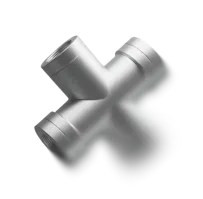
Synthetic polymers play a crucial role in modern construction by providing materials that are lightweight, durable, and cost-effective. Polymer-based pipes, made from PVC (polyvinyl chloride), HDPE (high-density polyethylene), PEX (cross-linked polyethylene), and PP (polypropylene), are widely used for water supply, sewage, drainage, and conduit systems due to corrosion resistance, long service life, and ease of handling. Polymeric insulation, including EPS (expanded polystyrene), XPS (extruded polystyrene), PU (polyurethane), and PE (polyethylene foam), enhances thermal and acoustic performance in walls, roofs, floors, cold storage, and HVAC ducts while reducing energy consumption. PVC fittings, such as elbows, tees, couplers, reducers, end caps, and unions, provide high-strength, corrosion-resistant, leak-proof connections for plumbing, industrial piping, water treatment plants, and swimming pool systems. Synthetic polymers extend the lifespan of construction materials, lower maintenance costs, simplify installation, and support sustainable building practices across residential, commercial, industrial, infrastructure, and agricultural projects.
4. Synthetic Polymers Used in Automotive Parts Such As Bumpers, Dashboards, and Interior Panels
Synthetic polymers are widely used in automotive manufacturing to produce parts that are lightweight, durable, and cost-effective. Bumpers utilize polymers (polypropylene (PP), polyurethane (PU), and acrylonitrile butadiene styrene (ABS)) for high impact resistance, corrosion protection, and ease of molding, helping to absorb energy during collisions and protect passengers. Dashboards combine PP, ABS, polycarbonate (PC), and PU to provide heat and UV resistance, dimensional stability, a smooth surface finish, and noise dampening for both functional and aesthetic performance. Interior panels rely on PP, ABS, PC, nylon, and PU to enhance comfort, reduce vehicle weight, improve scratch and wear resistance, and provide sound insulation. Synthetic polymers enable flexible design, long service life, improved fuel efficiency, and compatibility with advanced automotive technologies, including electric vehicles. Their recyclability and adaptability support sustainable and safe vehicle production across bumpers, dashboards, interior panels, and additional components (headlights, mirrors, and engine covers).
5. Synthetic Polymers Used in Medical Applications, Including Syringes, Implants, and Sterile Packaging
Synthetic polymers are integral to modern medical applications, providing materials that are safe, durable, lightweight, and compatible with sterilization processes. Syringes and medical devices use polymers (polypropylene (PP), polycarbonate (PC), polyethylene (PE), polysulfone (PSU), and cyclic olefin copolymer (COC)) to ensure clarity, chemical resistance, precision, and reliability for both disposable and reusable equipment, including IV components, catheters, and blood collection tubes. Implants and prosthetics rely on high-performance polymers like polyetheretherketone (PEEK), ultra-high molecular weight polyethylene (UHMWPE), polymethyl methacrylate (PMMA), polylactic acid (PLA), and silicone (PDMS), offering biocompatibility, long-term durability, strength, and resistance to body fluids for joints. replacements, dental implants, and soft tissue implants. Sterile packaging employs polyethylene (PE), polypropylene (PP), polyethylene terephthalate (PET), nylon (PA), and ethylene vinyl alcohol (EVOH) to maintain sterility, provide microbial barriers, and protect medical products during transport and storage. Synthetic polymers enhance patient safety, support complex medical device designs, reduce weight, and enable cost-effective mass production across syringes, implants, and sterile packaging.
What Are the Most Common Synthetic Polymers?
The most common Synthetic Polymers are listed below.
- Polyethylene: The global industry produces this material in the highest volume for use in films and containers. High-density and low-density versions provide a range of flexibility for different products.
- Polypropylene: This polymer is widely used for automotive components and reusable containers due to its high fatigue resistance. The material remains stable under chemical exposure and high temperatures.
- Polyvinyl Chloride: Infrastructure projects rely on this substance for durable piping and electrical cable insulation. The addition of plasticizers allows the material to become flexible for medical use.
- Polyethylene Terephthalate: Most clear beverage bottles consist of this strong and recyclable polymer. The material is also processed into fibers for use in the garment industry.
- Polystyrene: This polymer appears in both rigid forms for lab equipment and foam forms for protective packaging. The material is valued for its low cost and excellent clarity in its natural state.
- Nylon: Engineering applications frequently specify this polyamide for its toughness and low-friction properties. The material serves as a high-performance alternative to metal in various mechanical assemblies.
- Acrylic: This transparent polymer provides a shatter-resistant alternative to glass in windows and displays. The material maintains its optical clarity even after long-term exposure to outdoor elements.
- Polyurethane: Furniture cushions and high-performance coatings utilize the diverse forms of this polymer. The material can range from soft foams to very hard industrial wheels.
- Polycarbonate: Bulletproof windows and electronic housings use this extremely impact-resistant material. High transparency and heat resistance make it a premium choice for technical applications.
- Acrylonitrile Butadiene Styrene: Consumer electronics and 3D printing filaments utilize this tough and easily molded polymer. The combination of three monomers provides a balance of strength and surface finish.
- Teflon: Non-stick coatings and chemical seals use this low-friction fluoropolymer for extreme environments. The material resists almost all chemical attacks and operates at very high temperatures.
- Silicone: Medical devices and high-temperature gaskets rely on this inorganic-organic hybrid polymer. The material remains flexible across a wide range of extreme environmental conditions.
- Bakelite: This historic thermosetting polymer provided the foundation for early electrical insulation and consumer electronics. The material is known for its extreme hardness and heat resistance.
- Epoxy: High-strength adhesives and composite matrix materials utilize these thermosetting resins. The material forms a permanent bond through a chemical curing process.
- Neoprene: Protective gear and industrial seals use this synthetic rubber for its chemical stability. The material maintains its flexibility over a wide range of operating temperatures.
- Polyester: Industrial fabrics and reinforced plastics utilize this durable and moisture-resistant polymer. The Most Common Synthetic Polymers list highlights the materials that define modern manufacturing.
Disclaimer
The content appearing on this webpage is for informational purposes only. Xometry makes no representation or warranty of any kind, be it expressed or implied, as to the accuracy, completeness, or validity of the information. Any performance parameters, geometric tolerances, specific design features, quality and types of materials, or processes should not be inferred to represent what will be delivered by third-party suppliers or manufacturers through Xometry’s network. Buyers seeking quotes for parts are responsible for defining the specific requirements for those parts. Please refer to our terms and conditions for more information.