
Inconel 625: Composition, Properties and Density


Inconel 625 is a nickel-based superalloy designed for high strength, corrosion resistance, and stability in extreme environments. The alloy contains a primary nickel matrix (about 58% or higher) combined with chromium, molybdenum, and niobium, which provide solid-solution strengthening and protection against oxidation and chemical attack. Key properties include excellent mechanical strength, resistance to pitting and crevice corrosion, strong fatigue and creep performance, and reliable behavior at temperatures approaching 980°C. Density is approximately 8.44 g/cm³ (8440 kg/m³), which contributes to structural stability and durability in high-pressure systems. Inconel 625’s scope centers on applications that require consistent performance under thermal, mechanical, and corrosive stress (aerospace, marine, chemical processing, energy systems).
What Is Inconel 625?
Inconel 625 is a nickel-based superalloy designed for high strength, corrosion resistance, and performance in extreme environments. The alloy consists primarily of nickel (about 58% or higher) with significant additions of chromium, molybdenum, and niobium, which provide solid-solution strengthening and resistance to oxidation and chemical attack. Strong resistance to pitting, crevice corrosion, and stress corrosion cracking allows reliable use in aggressive conditions. High-temperature stability enables the material to maintain mechanical properties under thermal stress, which supports demanding applications (aerospace systems, marine equipment, chemical processing, power generation). The purpose of Inconel 625 centers on delivering long-term durability and structural integrity in environments where conventional steels and alloys fail due to heat, pressure, or corrosion.
What Makes Inconel 625 a Nickel Based Superalloy?
Inconel 625 is classified as a nickel-based superalloy because nickel forms the primary element in its composition and provides exceptional performance in extreme environments. Nickel content (about 58% or higher) creates a stable austenitic matrix that resists corrosion, oxidation, and phase instability at high temperatures. Alloying elements (chromium, molybdenum, niobium) strengthen the material through solid-solution hardening and improve resistance to pitting, crevice corrosion, and thermal degradation. Superalloy classification applies because the material maintains mechanical strength, creep resistance, and structural integrity under high temperature and stress conditions where conventional alloys fail. Inconel 625 performs reliably in extreme applications (aerospace engines, chemical processing systems, marine environments) due to its ability to retain strength and resist corrosion at temperatures approaching 980°C. Nickel-rich composition prevents rapid oxidation and chemical attack, while alloying additions enhance durability and long-term stability. Combined composition and performance characteristics meet the defining criteria of nickel-based superalloys used in high-performance engineering systems.
"When you are designing parts for extreme environments, what looks perfect on a CAD screen can easily cause issues on the shop floor. True design for manufacturability means looking past the ideal properties in a textbook and planning for how a material actually behaves when a machinist cuts it or when it hits high heat under real stress. Balancing those raw geometric tolerances with real-world material limitations is what keeps a project on schedule and prevents failures in the field."
What Are the Key Characteristics of Inconel 625?
The Key Characteristics of Inconel 625 are listed below.
- High Strength: Inconel 625 provides excellent tensile and yield strength, which supports performance under heavy loads and stress conditions.
- Outstanding Corrosion Resistance: Inconel 625 resists corrosion in aggressive environments (seawater, acids, chlorides), which ensures long service life.
- Excellent High-Temperature Performance: Inconel 625 maintains mechanical properties and resists oxidation at elevated temperatures, which supports use in heat-intensive applications.
- Solid-Solution Strengthening Mechanism: Inconel 625 gains strength from alloying elements (molybdenum, niobium) rather than precipitation hardening, which provides stable performance across a wide temperature range.
- Superior Weldability: Inconel 625 is welded without significant risk of cracking, which simplifies fabrication and manufacturing processes.
- Resistance to Stress Corrosion Cracking: Inconel 625 withstands cracking caused by combined stress and corrosive environments, which improves reliability in critical systems.
- Good Fatigue and Creep Resistance: Inconel 625 performs well under cyclic loading and long-term high-temperature stress, which ensures durability.
- Versatility Across Industries: Inconel 625 is used in multiple industries (aerospace, marine, chemical processing, energy), which demonstrates broad application capability.
What Industries Commonly Use Inconel 625?
Inconel 625 is widely used across industries that require high strength, corrosion resistance, and stability under extreme temperature and pressure conditions.
The Industries That Commonly Use Inconel 625 are listed below.
- Aerospace Industry: Aerospace manufacturers use Inconel 625 for engine components (exhaust systems, turbine parts) because it withstands high temperatures, oxidation, and thermal fatigue.
- Marine and Offshore Industry: Marine and offshore sectors use Inconel 625 in seawater-exposed equipment (piping, valves, subsea systems) due to its resistance to corrosion and chloride attack.
- Chemical Processing Industry: Chemical plants use Inconel 625 in reactors, heat exchangers, and piping because it resists aggressive chemicals and maintains integrity under harsh processing conditions.
- Oil and Gas Industry: Oil and gas operations use Inconel 625 in downhole and surface equipment (tubing, wellheads, valves) because it performs reliably in high-pressure, high-temperature, and corrosive environments.
- Power Generation Industry: Power plants use Inconel 625 in boilers, turbines, and heat exchangers because it resists oxidation and maintains strength under prolonged thermal exposure.
- Pollution Control and Environmental Systems: Environmental systems use Inconel 625 in scrubbers and emission control equipment because it withstands corrosive gases and high-temperature exhaust streams.
- Automotive and Motorsport Industry: Automotive and motorsport applications use Inconel 625 in high-performance exhaust systems and turbo components because it resists extreme heat and oxidation while maintaining strength.
Is Inconel 625 Stronger than Carbon Steel?
Yes, Inconel 625 is generally stronger than carbon steel, especially in high-temperature and corrosive environments. Inconel 625 maintains high tensile strength, creep resistance, and structural stability under extreme conditions, while carbon steel loses strength more rapidly at elevated temperatures and is more susceptible to corrosion. Solid-solution strengthening in Inconel 625 provides excellent high-temperature strength, though prolonged exposure within the 538°C to 816°C range can cause microstructural changes that lower ductility and impact toughness. The minimum specified tensile strength of Inconel 625 is about 827 MPa, which exceeds many grades of Carbon Steel (CS), particularly under high-temperature conditions where carbon steel softens and oxidizes. Industrial applications confirm that Inconel 625 outperforms carbon steel in environments (aerospace systems, chemical processing, marine exposure) where strength, corrosion resistance, and durability are critical.
What Is the Chemical Composition of Inconel 625?
The chemical composition of Inconel 625 is illustrated in the table below.
How Does Each Element in Inconel 625 Composition Affect its Performance?
Each element in the composition of Inconel 625 directly influences mechanical strength, corrosion resistance, and high-temperature performance through specific metallurgical functions. Nickel forms the base matrix and provides excellent corrosion resistance and structural stability in aggressive environments. Chromium contributes to oxidation resistance by forming a protective oxide layer that prevents surface degradation. Molybdenum increases resistance to pitting and crevice corrosion, especially in chloride-rich environments, while strengthening the alloy through solid-solution hardening. Niobium (columbium) plays a key role in strengthening by stabilizing the microstructure and improving resistance to creep and fatigue at elevated temperatures. Iron is present in small amounts and supports overall alloy balance without significantly affecting corrosion resistance. Minor elements (silicon and manganese) assist in deoxidation, while carbon controls carbide formation to refine the microstructure during processing.
High nickel and chromium content ensures resistance to acids, seawater, and oxidation, which supports performance in marine and chemical environments. Molybdenum enhances durability in localized corrosion conditions, which is critical for subsea and chemical processing equipment. Niobium strengthens the alloy without requiring precipitation hardening, which allows consistent performance under thermal stress in aerospace and power generation systems. Combined elemental effects create a material that maintains strength, resists corrosion, and performs reliably in extreme industrial conditions.
How Does Nickel Content Influence Corrosion Resistance in Inconel 625?
Nickel content significantly improves corrosion resistance in Inconel 625 by providing stability against chemical attack and preventing material degradation in aggressive environments. High nickel content forms a stable, corrosion-resistant matrix that resists oxidation and chemical reactions with acids, chlorides, and seawater. Chromium and molybdenum reduce the tendency for localized corrosion (pitting, crevice attack), while nickel provides resistance to reducing environments and chloride stress corrosion cracking. A passive protective layer develops on the surface, which limits interaction between the alloy and the surrounding environment. Nickel stabilizes the austenitic structure, which prevents phase transformations that weaken corrosion resistance.
Inconel 625 performs effectively in harsh conditions (marine environments, chemical processing systems, high-temperature oxidation zones) because its nickel-rich composition resists attack from corrosive agents. Resistance to stress corrosion cracking and intergranular corrosion further confirms the protective role of nickel, which ensures long-term durability and reliability in demanding industrial applications.
What Are the Properties of Inconel 625?
The properties of Inconel 625 are listed below.
- Mechanical Properties: Inconel 625 provides high tensile strength, excellent fatigue resistance, and strong creep resistance, which ensures durability under cyclic loading and long-term stress conditions.
- Physical Properties: Inconel 625 has a density of about 8.44 g/cm³ and good structural stability and resistance to deformation, supporting performance in high-pressure environments.
- Thermal Properties: Inconel 625 maintains strength and resists oxidation at elevated temperatures, which allows reliable operation in heat-intensive applications (turbines, exhaust systems).
- Corrosion Resistance Properties: Inconel 625 offers exceptional resistance to corrosion (seawater, acids, chlorides), which prevents pitting, crevice corrosion, and stress corrosion cracking in harsh environments.
- Fabrication and Welding Properties: Inconel 625 has excellent weldability and is fabricated without significant cracking, simplifying manufacturing and supporting complex component design.
1. Mechanical Properties
Mechanical properties of Inconel 625 describe its ability to withstand forces, deformation, and stress under various operating conditions.
The Mechanical Properties of Inconel 625 are listed below.
- High Tensile Strength: The minimum specified tensile strength of Inconel 625 is 827 MPa (with typical values ranging from 930 MPa to 1000 MPa)
- Yield Strength: The minimum specified yield strength of Inconel 625 is 414 MPa (with typical values ranging from 460 MPa to 550 MPa)
- Excellent Fatigue Resistance: Inconel 625 resists cyclic loading and repeated stress, which ensures long service life in dynamic applications.
- Strong Creep Resistance: Inconel 625 maintains structural integrity under prolonged high-temperature stress, which supports use in elevated temperature environments.
- Good Ductility: Inconel 625 provides elongation of about 30–50%, which allows deformation without fracture during forming and service.
- High Hardness: Inconel 625 has a typical hardness of around 200–240 HB, which contributes to wear resistance and durability.
- Impact Resistance: Inconel 625 absorbs energy under sudden loads, which reduces the risk of brittle fracture in demanding conditions.
2. Physical Properties
Physical properties of Inconel 625 describe measurable characteristics (mass, thermal response, electrical behavior) that influence performance in engineering applications.
The Physical Properties of Inconel 625 are listed below.
- Density: Inconel 625 has a density of approximately 8.44 g/cm³ (8440 kg/m³), which contributes to high structural stability and load-bearing capability.
- Melting Range: Inconel 625 has a melting range of about 1290–1350°C, which allows use in high-temperature environments without structural failure.
- Specific Heat: Inconel 625 has a specific heat capacity of approximately 0.43 kJ/kg·K, which determines how the material absorbs and stores heat during thermal exposure.
- Electrical Resistivity: Inconel 625 has relatively high electrical resistivity (about 1.29 µΩ·m), which limits electrical conductivity and supports use in specialized applications.
- Thermal Expansion: Inconel 625 has a coefficient of thermal expansion of approximately 12.8 µm/m·K, which must be considered in design to manage dimensional changes with temperature variations.
3. Thermal Properties
Thermal properties of Inconel 625 describe how the alloy responds to heat transfer, temperature changes, and high-temperature exposure in engineering environments.
The Thermal Properties of Inconel 625 are listed below.
- Thermal Conductivity: Inconel 625 has relatively low thermal conductivity (about 9.8–11.3 W/m·K), which limits heat transfer and supports thermal stability in high-temperature applications.
- Coefficient of Thermal Expansion: Inconel 625 has a coefficient of thermal expansion of approximately 12.8 µm/m·K, which determines dimensional changes under temperature variation and must be considered in design.
- Melting Point Range: Inconel 625 has a melting range of about 1290–1350°C, which allows it to retain structural integrity under extreme heat.
- Maximum Service Temperature: Inconel 625 operate effectively at temperatures up to approximately 980°C, which supports long-term performance in high-temperature environments (turbines, exhaust systems, heat exchangers).
4. Corrosion Resistance Properties
The corrosion resistance properties of Inconel 625 describe its ability to withstand chemical attack and environmental degradation in aggressive conditions.
The Corrosion Resistance Properties of Inconel 625 are listed below.
- Pitting Corrosion Resistance: Inconel 625 resists localized pitting caused by chlorides and aggressive ions, which protects surfaces from small but deep corrosion damage.
- Crevice Corrosion Resistance: Inconel 625 prevents corrosion in confined spaces (gaskets, joints, fasteners), which ensures durability in complex assemblies.
- Oxidation Resistance: Inconel 625 forms a stable oxide layer at high temperatures, which protects the surface from scaling and degradation.
- Intergranular Corrosion Resistance: Inconel 625 resists corrosion along grain boundaries, which maintains structural integrity after welding and thermal exposure.
- Stress Corrosion Cracking Resistance: Inconel 625 withstands cracking caused by combined stress and corrosive environments, which supports reliable performance in high-pressure and chemically aggressive systems.
5. Fabrication and Welding Properties
Fabrication and welding properties of Inconel 625 describe how the alloy responds to manufacturing processes (welding, machining, forming, heat treatment) while maintaining performance and structural integrity.
The Fabrication and Welding Properties of Inconel 625 are listed below.
- Excellent Weldability (Matching Filler Wire): Inconel 625 can be welded using standard methods (TIG, MIG, arc welding) with matching filler metals (ERNiCrMo-3), which ensures strong, crack-resistant weld joints.
- Machinability Considerations: Inconel 625 is difficult to machine due to work hardening and high strength, which requires low cutting speeds, rigid tooling, and proper cooling to reduce tool wear.
- Hot Working Behavior: Inconel 625 can be hot worked at elevated temperatures (around 900–1200°C), which allows shaping and forming without cracking while maintaining ductility.
- Cold Working Behavior: Inconel 625 can be cold worked, but work hardening occurs rapidly, which increases strength and requires intermediate annealing for further deformation.
- Heat Treatment Requirements: Inconel 625 does not require precipitation hardening, but solution annealing is used to relieve stress, restore ductility, and maintain corrosion resistance after fabrication.
How Do the Mechanical Properties of Inconel 625 Change at High Temperatures?
Mechanical properties of Inconel 625 decline gradually at high temperatures, but remain superior compared to many competing alloys under the same conditions. Strength, yield stress, and hardness decrease as temperature increases due to thermal softening, yet the alloy retains significant load-bearing capacity because of its solid-solution strengthened structure. Tensile strength is about 827 MPa at room temperature, decreases to approximately 750–800 MPa at ~650°C, and remains around 275–310 MPa near 870°C, which demonstrates strong retention of mechanical integrity. Creep resistance and fatigue performance remain reliable at elevated temperatures, which supports long-term service in extreme environments. Engineering applications (aerospace exhaust systems, turbine components, chemical processing equipment) rely on that stability because many conventional steels and lower-grade alloys lose strength more rapidly and fail under similar thermal conditions.
Can Heat Treatment Affect the Properties of Inconel 625?
Yes, heat treatment can affect the properties of Inconel 625. Heat treatment processes influence microstructure, which alters mechanical properties and performance characteristics. Inconel 625 is primarily strengthened through solid-solution hardening, so it does not rely on precipitation hardening like some other nickel alloys. Solution annealing improves ductility, relieves internal stresses, and restores corrosion resistance after fabrication or welding. Controlled heat exposure is likely to lead to the formation of secondary phases (carbides or intermetallic compounds), increasing strength but reducing toughness and corrosion resistance if not properly managed. Industrial applications confirm that appropriate heat treatment improves formability and maintains long-term stability, while improper thermal exposure is likely to degrade performance in high-temperature and corrosive environments.
What Is the Density of Inconel 625?
The density of Inconel 625 is approximately 8.44 g/cm³ (8440 kg/m³), which reflects its composition as a nickel-based superalloy with high mass per unit volume. High solid-solution strengthening from alloying elements contributes to strong mechanical stability and resistance to deformation under stress, which supports performance in demanding environments. Engineering design considers density when evaluating weight, load distribution, and structural integrity in components. Applications (aerospace engine parts, marine equipment, power generation systems) rely on that density because it supports durability and performance under high temperature and pressure conditions. Trade-offs exist in weight-sensitive designs, where engineers balance the benefits of strength and corrosion resistance against the impact of added mass.
How Does Density Affect the Applications of Inconel 625?
Density affects the applications of Inconel 625 by influencing weight, structural load, and suitability for weight-sensitive designs. The density of Inconel 625 is approximately 8.44 g/cm³ (8440 kg/m³). High density increases component weight, which impacts design decisions in applications where mass reduction is critical. Aerospace and automotive engineers evaluate density when selecting materials for fuel efficiency, performance, and load distribution. Heavier materials provide strength and durability but add structural weight, which requires careful balancing between performance and efficiency. Aerospace components (engine parts, exhaust systems) use Inconel 625 where high temperature resistance outweighs weight concerns, but lighter alloys are preferred for airframes to reduce fuel consumption. Marine and offshore equipment (subsea piping, valves) benefit from mass for ballast stability, while the alloy's high yield strength ensures reliable performance under high pressure and harsh conditions. Power generation systems (turbine components, heat exchangers) prioritize strength and thermal performance over weight, which supports the use of a dense material like Inconel 625.
What Are the Advantages of Using Inconel 625?
Inconel 625 provides a high-performance material solution that combines strength, corrosion resistance, and thermal stability for demanding engineering environments.
The advantages of using Inconel 625 are listed below.
- Exceptional Corrosion Resistance: Inconel 625 resists a wide range of corrosive environments (seawater, acids, chlorides), which ensures long service life in harsh conditions.
- High Temperature Strength: Inconel 625 maintains mechanical strength and structural integrity at elevated temperatures, which supports use in extreme heat applications.
- Excellent Oxidation Resistance: Inconel 625 forms protective oxide layers that prevent surface degradation during high-temperature exposure.
- Superior Weldability: Inconel 625 can be welded without significant risk of cracking, which simplifies fabrication and reduces post-processing requirements.
- Resistance to Stress Corrosion Cracking: Inconel 625 withstands stress corrosion and pitting, which improves reliability in chemically aggressive and high-pressure environments.
- Good Fatigue and Creep Resistance: Inconel 625 performs well under cyclic loading and long-term stress, which ensures durability in critical components.
- Versatile Application Range: Inconel 625 is used across multiple industries (aerospace, marine, chemical processing, energy), which demonstrates broad engineering utility.
- Long Service Life and Reliability: Inconel 625 reduces maintenance and replacement frequency, which improves operational efficiency and lifecycle cost performance.
What Are the Limitations of Inconel 625?
Inconel 625 offers excellent strength and corrosion resistance, but trade-offs exist that affect cost, machinability, and application limits.
The limitations of Inconel 625 are listed below.
- High Material Cost: Inconel 625 has a significantly higher cost compared to carbon steels and many alloy steels due to nickel content and complex production.
- Difficult Machinability: Inconel 625 is difficult to machine because of work hardening and high strength, which leads to increased tool wear and slower machining rates.
- Heavy Weight: Inconel 625 has a higher density than many alternative materials, which can be a disadvantage in weight-sensitive applications.
- Limited Strength at Extreme Temperatures Compared to Some Alloys: Inconel 625 performs well at high temperatures, but some precipitation-hardened alloys (Inconel 718) provide higher strength in certain conditions.
- Complex Fabrication Requirements: Inconel 625 requires specialized processing and handling during forming and manufacturing, which increases production complexity.
- Thermal Expansion Considerations: Inconel 625 exhibits thermal expansion that must be carefully managed in high-temperature systems to avoid dimensional issues.
- Overengineering for Simple Applications: Inconel 625 is likely not cost-effective for applications that do not require extreme corrosion or temperature resistance, where simpler materials perform adequately.
How does Inconel 625 compare to Other Nickel Alloys?
The comparison of Inconel 625 to other Nickel Alloys is illustrated in the table below.
What Makes Inconel 625 Different from 4140 Alloy Steel?
Inconel 625 differs from 4140 alloy steel in composition, performance at high temperatures, and corrosion resistance. Inconel 625 is a nickel-based superalloy designed for extreme environments, with high resistance to oxidation, corrosion, and elevated temperatures. 4140 alloy steel is a chromium-molybdenum steel that provides high strength and toughness but has limited corrosion resistance and reduced performance at high temperatures compared to nickel alloys. Inconel 625 performs reliably in aggressive environments (aerospace, marine, chemical processing) due to resistance to acids, seawater, and thermal degradation. Common use in mechanical and structural applications (shafts, gears, bolts) defines 4140 alloy steel, where strength and wear resistance are required, but exposure to severe corrosion or extreme heat is limited. Differences in composition and properties define distinct use cases across engineering industries.
Does Inconel 625 Have Better Weldability than Inconel 718?
Yes, Inconel 625 has better weldability than Inconel 718. Inconel 625 has a solid-solution strengthened microstructure, which allows stable behavior during welding without significant risk of cracking. Inconel 718 is precipitation-hardened, but its sluggish precipitation kinetics make it highly resistant to post-weld strain-age cracking, though it remains susceptible to heat-affected zone (HAZ) liquation cracking from the melting of niobium-rich Laves phases at grain boundaries. Welding processes for Inconel 625 do not require complex post-weld heat treatments, which simplifies fabrication and reduces defects. Inconel 718 often requires strict control of welding parameters and post-weld heat treatment to restore mechanical properties and prevent cracking. Industrial applications confirm that Inconel 625 is preferred for welded structures where ease of fabrication and reliability are critical.
What Are the Common Applications of Inconel 625?
The common applications of Inconel 625 are listed below.
- Applications in the Aerospace Industry: Inconel 625 is used in aircraft engine components (exhaust systems, turbine parts, combustion chambers) due to its ability to withstand high temperatures, oxidation, and thermal fatigue.
- Applications in Marine and Offshore Engineering: Inconel 625 is used in seawater-exposed components (piping systems, valves, fasteners, subsea equipment) because it resists corrosion and chloride-induced stress cracking.
- Applications in Chemical Processing Industry: Inconel 625 is used in equipment (reactors, heat exchangers, piping) that handles aggressive chemicals, where resistance to acids and high temperatures ensures durability and safety.
- Applications in the Oil and Gas Industry: Inconel 625 is used in harsh environments (downhole tubing, wellhead components, valves) because it resists corrosion from sour gas (H₂S, CO₂) and maintains strength under pressure.
- Applications in Power Generation: Inconel 625 is used in high-temperature systems (boilers, turbines, heat exchangers) where resistance to oxidation, creep, and thermal stress supports efficient energy production.
- Applications in Pollution Control and Environmental Systems: Inconel 625 is used in emission control equipment (scrubbers, flue gas systems, waste treatment units) due to its resistance to corrosive gases and high-temperature conditions.
- Applications in Automotive and High-Performance Exhaust Systems: Inconel 625 is used in exhaust components (manifolds, turbochargers, downpipes) because it maintains strength under extreme heat and resists oxidation from exhaust gases.
1. Applications In the Aerospace Industry
Inconel 625 is extensively applied in aerospace components due to its ability to retain strength and structural stability under extreme heat and stress. Engine systems (exhaust assemblies, ducting systems, and fuel lines) depend on their resistance to oxidation and thermal fatigue during continuous high-temperature operation. Critical structures exposed to pressure fluctuations and temperature extremes benefit from its strong mechanical performance and corrosion resistance, which support consistent reliability and extended service life in demanding aerospace environments.
2. Applications in Marine and Offshore Engineering
Inconel 625 plays a key role in marine and offshore engineering due to its strong resistance to seawater corrosion and chloride-driven stress corrosion cracking. Critical components (seawater piping, pump shafts, valves, fasteners) depend on that durability to operate reliably in harsh ocean environments. Subsea systems and offshore structures benefit from its capacity to endure high pressure, continuous salt exposure, and aggressive conditions, which support long service life and lower maintenance requirements in demanding offshore operations.
3. Applications in the Chemical Processing Industry
Inconel 625 serves the chemical processing industry due to its ability to resist severe chemical attack and maintain stability at elevated temperatures. Industrial equipment (reactors, heat exchangers, piping networks, valves) depends on its capacity to endure exposure to acids, chlorides, and oxidizing environments without material breakdown. High resistance to corrosion combined with strong mechanical integrity allows continuous operation under aggressive process conditions, which ensures operational safety, consistent efficiency, and extended service life in demanding industrial systems.
4. Applications in the Oil and Gas Industry
Inconel 625 is widely used in the oil and gas industry because it provides outstanding resistance to corrosion, high pressure, and extreme temperatures. Components (downhole tubing, valves, pumps, wellhead equipment) rely on their ability to withstand sour gas environments containing hydrogen sulfide (H₂S) and carbon dioxide (CO₂). Strong resistance to pitting, crevice corrosion, and stress corrosion cracking ensures long-term reliability in both onshore and offshore operations, which supports safe and efficient performance in demanding oil and gas systems.
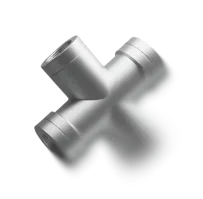
5. Applications in Power Generation
Inconel 625 is widely used in power generation systems because it maintains strength and corrosion resistance under high-temperature and high-pressure conditions. Components (boiler tubes, heat exchangers, expansion bellows, nuclear reactor systems) rely on their ability to resist oxidation, scaling, and creep deformation. Stable performance under thermal stress ensures reliable energy production, which supports long service life and efficiency in fossil fuel, nuclear, and renewable power plants.
6. Applications in Pollution Control and Environmental Systems
Inconel 625 is used in pollution control and environmental systems because it provides excellent resistance to corrosive gases and high-temperature conditions. Equipment (flue gas desulfurization units, scrubbers, ducting systems, waste treatment components) relies on its ability to withstand acidic environments and chemical exposure. Strong resistance to oxidation and corrosion ensures long-term durability and reliable operation, which supports effective emission control and environmental protection in industrial processes.
7. Applications in Automotive and High-Performance Exhaust Systems
Inconel 625 is widely used in automotive and high-performance exhaust systems because it withstands extreme heat and resists oxidation under continuous thermal cycling. Exhaust components (manifolds, wastegate assemblies, downpipes) rely on their ability to maintain strength and structural integrity at elevated temperatures. Resistance to corrosion from exhaust gases ensures long service life, while high-temperature stability supports improved performance and reliability in demanding automotive and motorsport applications.
Disclaimer
The content appearing on this webpage is for informational purposes only. Xometry makes no representation or warranty of any kind, be it expressed or implied, as to the accuracy, completeness, or validity of the information. Any performance parameters, geometric tolerances, specific design features, quality and types of materials, or processes should not be inferred to represent what will be delivered by third-party suppliers or manufacturers through Xometry’s network. Buyers seeking quotes for parts are responsible for defining the specific requirements for those parts. Please refer to our terms and conditions for more information.