
20 Possible Futures of 3D Printing


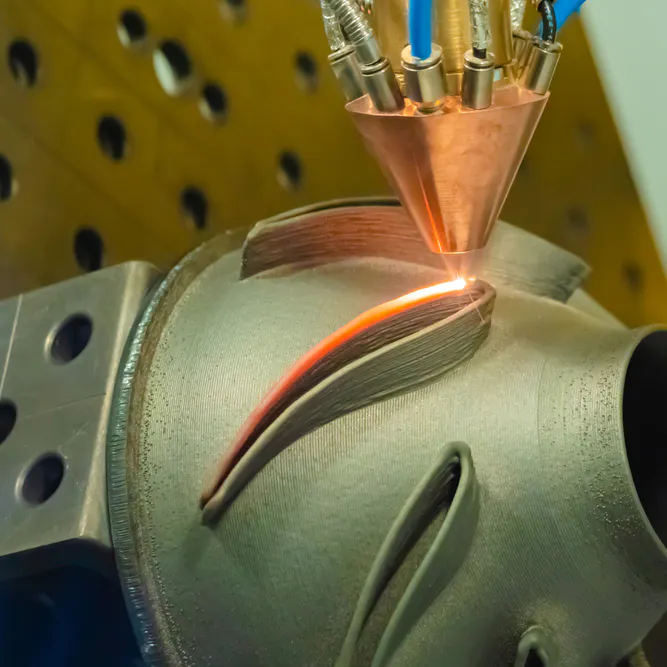
The 20 possible futures of 3D printing represent a broad spectrum of industries and applications where additive manufacturing is redefining how objects, structures, and biological constructs are created. The 20 possible futures of 3D printing span processes (fused deposition modeling, selective laser sintering, stereolithography, direct metal laser sintering), materials (polymers, metals, ceramics, bio-inks), and scales (microelectronics to full-scale building construction), building on the foundation of additive manufacturing, which constructs objects layer by layer from digital models. The futures of 3D printing extend across medical devices, construction, defense, consumer goods, and sustainable manufacturing from printed human organs to aerospace components and zero-waste supply chains. The technology reduces certain constraints of traditional manufacturing but does not eliminate them; it introduces its own limitations, such as build size limits, material constraints, anisotropy, and post-processing requirements.
What Are the 20 Possible Futures of 3D Printing?
The 20 possible futures of 3D printing are listed below.
- 3D Printed Homes: The 3D printed homes are constructed using large-scale concrete extrusion printers that deposit layers of Portland cement or geopolymer mix to form load-bearing walls, with construction times of 24 to 48 hours per structure, but full construction (including systems, roofing, finishing) takes significantly longer. ICON's Vulcan printer produced a 350-square-foot home in Austin, Texas, at a material cost of approximately [$10,000], demonstrating cost reductions of 30 to 40% compared to conventional construction.
- Construction Industry: The construction industry applications of 3D printing apply robotic concrete extrusion, contour crafting, and binder jetting of sand molds to produce structural components, bridges, and full buildings with geometric complexity unachievable through conventional formwork.
- Manufacturing Sector: The manufacturing sector's adoption of additive manufacturing reduces tooling lead times from weeks to hours, enabling on-demand production of jigs, fixtures, end-use parts, and replacement components. The global additive manufacturing market reached [$18.33 billion] in 2023 and is forecast to grow at a CAGR of 23.5% through 2030.
- Aerospace Applications: The aerospace applications of 3D printing produce flight-certified components in titanium, Inconel, and aluminum alloys through selective laser melting (SLM) and electron beam melting (EBM), reducing part weight by 40 to 70% through topology-optimized lattice structures. GE Aviation's LEAP engine fuel nozzle consolidates 20 individual parts into a single printed component, reducing weight by 25% and increasing durability by 5 times compared to the conventionally manufactured equivalent.
- Organ Engineering: The organ engineering through bioprinting involves depositing bio-inks composed of living cells, hydrogels (alginate, gelatin methacrylate), and growth factors layer by layer to construct tissue constructs that replicate the architecture of native organs. Researchers at Wake Forest Institute for Regenerative Medicine bioprinting have produced scaffolds and tissue constructs and ear cartilage implants using a custom Integrated Tissue-Organ Printer (ITOP), with cell viability rates exceeding 85% post-printing.
- Advancements in Healthcare: The advancements in healthcare through 3D printing produce patient-specific anatomical models, surgical guides, orthotic devices, and implants with dimensional accuracy of 0.1 to 0.3 mm, improving surgical planning and outcomes. The global 3D-printed medical device market was valued at [$2.3 billion] in 2023 and is projected to reach [$6.08 billion] by 2028, growing at a CAGR of 17.5%.
- Automotive and Transportation: The automotive and transportation manufacturers use 3D printing for rapid prototyping, custom tooling, and end-use lightweight components in polymers and aluminum alloys, reducing prototype iteration cycles from 6 to 8 weeks to 3 to 5 days. BMW Group produces over 300,000 printed components annually across prototype and production applications.
- Consumer Products and Fashion: The consumer products and fashion applications of 3D printing enable mass customization of footwear, eyewear, jewelry, and apparel components at the individual consumer level without retooling costs. Adidas produced the Futurecraft 4D midsole using Carbon's Digital Light Synthesis (DLS) process, creating a lattice structure tuned to individual biomechanical profiles with energy return properties unachievable through injection molding.
- Distributed Local Manufacturing (Print Anywhere): The distributed local manufacturing decentralizes production by placing 3D printers at or near the point of need, eliminating long-distance supply chains for spare parts, tools, and customized components. The U.S. Navy deploys shipboard 3D printing facilities to produce replacement parts at sea, reducing parts resupply lead times from weeks to hours.
- Zero-Inventory Supply Chains: The zero-inventory supply chains replace physical part stockpiles with digital part libraries, producing components on demand through additive manufacturing at the time and location of need. Airbus maintains a digital spare parts library of over 50,000 certified 3D-printable components, reducing warehousing costs by 40 to 70%.
- Sustainable Manufacturing: The sustainable through additive processes reduces material waste by depositing only the material required for the final part, contrasting with subtractive methods that remove up to 90% of raw material in aerospace titanium machining. SLM machine powder recycling systems recover 95 to 98% of unused metal powder for reuse, reducing material consumption across production runs.
- Hybrid Manufacturing (3D + CNC Integration): The hybrid manufacturing combines additive deposition (directed energy deposition, fused deposition modeling) with subtractive CNC machining in a single machine platform, producing parts with additive geometric freedom and CNC surface finish quality. DMG Mori's LASERTEC 65 DED hybrid machine achieves surface roughness values of Ra 0.4 to 1.6 μm on printed metal components within the same setup.
- Lightweight High-Performance Components: The lightweight high-performance components are generated through topology optimization algorithms that produce lattice and organic geometries, achieving equivalent structural performance to solid designs at 30 to 70% lower mass. Printed titanium Ti-6Al-4V lattice structures achieve specific strength values of 200 to 260 kN·m/kg, comparable to the best conventional titanium components at significantly reduced weight.
- Electric Vehicle Optimization Using 3D Printing: The electric vehicle optimization using 3D printing contributes to EV development through lightweight structural components, custom battery enclosures, and thermal management systems with conformal cooling channels of hydraulic diameters of 1 to 3 mm. The EV additive manufacturing market is projected to grow at a CAGR of 20.3% from 2023 to 2030, improving thermal management efficiency by 20 to 40% compared to conventionally manufactured plates.
- 3D Printed Drones and UAVs: The 3D printed drones and UAVs are produced through additive manufacturing of airframe structures, propeller assemblies, and mounting systems in carbon fiber reinforced nylon, ABS, and titanium, reducing drone development cycles from months to days. Printed UAV components achieve structural weight reductions of 20 to 40%, directly extending flight endurance and payload capacity.
- Personalized Prosthetics and Implants: The personalized prosthetics and implants are produced from digital scans of the residual limb, achieving socket fit accuracy of 0.5 to 1.0 mm and reducing fitting time from multiple clinical visits to a single appointment. Printed prosthetic hands in nylon (SLS) cost [$50 to $500] compared to [$5,000 to $70,000] for conventionally manufactured myoelectric prostheses, dramatically improving accessibility in low-resource settings.
1. 3D Printed Homes
3D printed homes are constructed using large-scale concrete extrusion printers that deposit layers of Portland cement or geopolymer mix to form load-bearing walls, with printing speeds reaching 50-250 mm/s and construction times of 24 to 48 hours per structural wall. ICON's Vulcan printer produced a 350-square-foot home in Austin, Texas, at a material cost of approximately [$10,000], demonstrating cost reductions of 30 to 40% compared to conventional construction. The technology addresses global housing shortages by reducing labor dependency and material waste by up to 60% compared to traditional framing methods.
3D Printed Homes
2. Construction Industry
Construction industry applications of 3D printing apply robotic concrete extrusion, contour crafting, and binder jetting of sand molds to produce structural components, bridges, and full buildings with geometric complexity unachievable through conventional formwork. The global 3D-printed construction market was valued at [$4.44 billion] in 2023, reflecting a compound annual growth rate (CAGR) of approximately 87%. Printed construction reduces on-site labor requirements by up to 80% and cuts material waste by 30 to 60% compared to traditional cast-in-place concrete methods.
Construction Industry
3. Manufacturing Sector
Manufacturing sector adoption of additive manufacturing reduces tooling lead times from weeks to hours, enabling on-demand production of jigs, fixtures, end-use parts, and replacement components. The global additive manufacturing market reached [$18.33 billion] in 2023 and is forecast to grow at a CAGR of 23.5% through 2030, driven by adoption in aerospace, automotive, medical, and consumer electronics industries. Distributed additive manufacturing networks reduce supply chain dependency by enabling localized production of certified components within 24 to 72 hours of order placement.
Manufacturing Sector
The future of 3D printing is defined less by the technology itself than by its role in restructuring manufacturing around digital control, geometric freedom, and localized production. It removes constraints such as tooling, fixed part counts, and centralized supply chains, enabling part consolidation, customization, and on-demand production. This supports models like zero-inventory supply chains and distributed manufacturing, where digital files replace physical stock and parts are produced at the point of use. In sectors such as aerospace and automotive, these advantages translate into weight reduction, fewer components, and faster iteration. Emerging applications in bioprinting and large-scale construction extend its scope beyond mechanical parts. Adoption remains application-specific, constrained by material limits, cost, and production speed. In practice, additive manufacturing does not replace traditional methods but redefines where complexity, customization, and performance outweigh the economics of mass production.
4. Aerospace Applications
Aerospace applications of 3D printing produce flight-certified components in titanium, Inconel, and aluminum alloys through selective laser melting (SLM) and electron beam melting (EBM), reducing part weight by 40 to 70% through topology-optimized lattice structures. GE Aviation's LEAP engine fuel nozzle, printed in cobalt-chrome alloy, consolidates 20 individual parts into a single printed component, reducing weight by 25% and increasing durability by 5 times compared to the conventionally manufactured equivalent. The technology is covered in detail within 3D Printing in Aerospace.
Aerospace Applications
5. Organ Engineering
Organ engineering through bioprinting involves depositing bio-inks composed of living cells, hydrogels (alginate, gelatin methacrylate), and growth factors layer by layer to construct tissue constructs that replicate the architecture of native organs. Researchers at Wake Forest Institute for Regenerative Medicine printed using a custom Integrated Tissue-Organ Printer (ITOP), with cell viability rates exceeding 85% post-printing. Full organ bioprinting (heart, kidney, liver) remains in the research phase, with vascularization (creating internal blood vessel networks) identified as the primary technical barrier to clinical translation.
Organ Engineering
6. Advancements in Healthcare
Advancements in healthcare through 3D printing produce patient-specific anatomical models, surgical guides, orthotic devices, and implants with dimensional accuracy of 0.1 to 0.3 mm, improving surgical planning and outcomes. The global 3D-printed medical device market was valued at [$2.3 billion] in 2023 and is projected to reach [$6.08 billion] by 2028, growing at a CAGR of 17.5%. The FDA cleared over 200 3D-printed medical devices for clinical use from 2010 to 2023, spanning dental implants, orthopedic implants, and hearing aids.
Advancements in Healthcare
7. Automotive and Transportation
Automotive and transportation manufacturers use 3D printing for rapid prototyping, custom tooling, and end-use lightweight components in polymers and aluminum alloys, reducing prototype iteration cycles from 6 to 8 weeks to 3 to 5 days. BMW Group operates one of the largest automotive additive manufacturing facilities globally, producing over 300,000 printed components annually across prototype and production applications. Topology-optimized printed aluminum brackets and structural nodes reduce component weight by 30 to 50% compared to conventionally manufactured equivalents, directly improving fuel efficiency and electric vehicle range.
Automotive and Transportation
8. Consumer Products and Fashion
Consumer products and fashion applications of 3D printing enable mass customization of footwear, eyewear, jewelry, and apparel components at the individual consumer level without retooling costs. Adidas produced the Futurecraft 4D midsole using Carbon's Digital Light Synthesis (DLS) process, creating a lattice structure tuned to individual biomechanical profiles with energy return properties unachievable through injection molding. The consumer 3D printing market is projected to reach [$8.6 billion] by 2028, driven by personalization demand and declining printer hardware costs.
Consumer Products and Fashion
9. Distributed Local Manufacturing (Print Anywhere)
Distributed local manufacturing decentralizes production by placing 3D printers at or near the point of need, eliminating long-distance supply chains for spare parts, tools, and customized components. The U.S. Navy deploys shipboard 3D printing facilities to produce replacement parts at sea, reducing parts resupply lead times from weeks to hours. Cloud-based manufacturing platforms connecting digital files to distributed print farms enable certified part production at geographically dispersed facilities within 24 to 72 hours of order placement.
Distributed Local Manufacturing (Print Anywhere)
10. Zero-Inventory Supply Chains
Zero-inventory supply chains replace physical part stockpiles with digital part libraries, producing components on demand through additive manufacturing at the time and location of need. Airbus maintains a digital spare parts library of over 50,000 certified 3D-printable components, reducing physical inventory storage costs and obsolescence risk. Zero-inventory supply chains reduce warehousing costs by 40 to 70% and eliminate the risk of part obsolescence for low-volume, high-criticality components.
Zero-Inventory Supply Chains
11. Sustainable and Zero-Waste Manufacturing
Sustainable and zero-waste manufacturing through additive processes reduces material waste by depositing only the material required for the final part, contrasting with subtractive methods that remove up to 90% of raw material (as in aerospace titanium machining). Recycled polymer filaments (rPLA, rPETG) and metal powder recycling systems in SLM machines recover 95 to 98% of unused powder for reuse, reducing material consumption. Sustainable and zero-waste manufacturing life cycle assessments of printed titanium aerospace components show a 35 to 50% reduction in embodied carbon compared to machined equivalents due to near-net-shape production.
Sustainable and Zero-Waste Manufacturing
12. Hybrid Manufacturing (3D + CNC Integration)
Hybrid manufacturing combines additive deposition (directed energy deposition, fused deposition modeling) with subtractive CNC machining in a single machine platform, producing parts with additive geometric freedom and CNC surface finish quality. DMG Mori's LASERTEC 65 DED hybrid machine switches from laser metal deposition to 5-axis CNC milling within the same setup, achieving surface roughness values of Ra 0.4 to 1.6 μm on printed metal components. Hybrid manufacturing reduces production steps, eliminates fixturing operations, and cuts lead times by 30 to 60% compared to sequential additive and subtractive workflows.
Hybrid Manufacturing (3D + CNC Integration)
13. Lightweight High-Performance Components
Lightweight high-performance components are generated through topology optimization algorithms that produce lattice and organic geometries, achieving equivalent structural performance to solid designs at 30 to 70% lower mass. Printed titanium Ti-6Al-4V lattice structures achieve specific strength values of 200 to 260 kN·m/kg, comparable to the best conventional titanium components at significantly reduced weight. Lightweight high-performance components are adopted across aerospace (structural brackets), motorsport (suspension uprights), and medical (bone implants with porous surfaces for osseointegration) applications.
Lightweight High-Performance Components
14. Electric Vehicle Optimization Using 3D Printing
Electric vehicle optimization using 3D printing contributes to EV development through lightweight structural components, custom battery enclosures, thermal management systems, and rapid prototyping of powertrain parts. Printed aluminum cooling plates for EV battery packs achieve internal channel geometries (conformal cooling channels) with hydraulic diameters of 1 to 3 mm, improving thermal management efficiency by 20 to 40% compared to conventionally manufactured plates. Electric vehicle optimization using 3D printing is projected to grow at a CAGR of 20.3% from 2023 to 2030, driven by lightweighting and customization demands.
Electric Vehicle Optimization Using 3D Printing
15. 3D Printed Drones and UAVs
3D printed drones and UAVs are produced through additive manufacturing of airframe structures, propeller assemblies, and mounting systems in carbon fiber reinforced nylon, ABS, and titanium, reducing drone development cycles from months to days. Printed UAV components achieve structural weight reductions of 20 to 40% compared to conventionally manufactured equivalents, directly extending flight endurance and payload capacity. 3D printed drones and UAVs are used in military and commercial programs for rapid iteration of aerodynamic forms, producing functional prototypes within 12 to 24 hours of design completion.
3D Printed Drones and UAVs
16. Personalized Prosthetics and Implants
Personalized prosthetics and implants are produced from digital scans of the residual limb, achieving socket fit accuracy of 0.5 to 1.0 mm and reducing fitting time from multiple clinical visits to a single appointment. Printed prosthetic hands in nylon (SLS) cost [$50 to $500] compared to [$5,000 to $70,000] for conventionally manufactured myoelectric prostheses, dramatically improving accessibility in low-resource settings. Personalized prosthetics and implants distributed through e-NABLE, a global volunteer network, have reached over 10,000 children in over 45 countries using open-source designs printed on desktop FDM machines.
Personalized Prosthetics and Implants
What is 3D Printing?
3D printing (additive manufacturing) is a process of creating three-dimensional objects by depositing, fusing, or curing material layer by layer based on a digital 3D model file. 3D printing was invented by Chuck Hull in 1983, who developed stereolithography (SLA) and founded 3D Systems Corporation, filing the first additive manufacturing patent in 1984. Core technologies include fused deposition modeling (FDM, material extrusion), selective laser sintering (SLS, powder bed fusion), stereolithography (SLA, vat photopolymerization), direct metal laser sintering (DMLS, powder bed fusion of metals), and binder jetting. The workflow begins with a CAD model, proceeds through slicing software (converting the model into layer-by-layer toolpaths), and concludes with layer-by-layer material deposition at layer thicknesses ranging from 0.025 mm (SLA) to 0.3 mm (FDM). The key terminology includes build volume (maximum printable dimensions), layer resolution (minimum layer thickness), support structures (temporary material supporting overhanging features), and post-processing (removal of supports, surface finishing, heat treatment). A comprehensive overview of the technology is available in 3D Printing.
What Types of Materials are Being Experimented With in 3D Printing?
The types of materials that are being experimented with in 3D printing are listed below.
- Polymers: The polymers are among the most widely tested materials in 3D printing, covering thermoplastics (PLA, ABS, PETG, Nylon) and thermosets. PLA degrades at temperatures around 60°C, making it suitable for low-heat applications, while ABS withstands up to 100°C. The tensile strength of common polymer filaments ranges from 30 MPa to 100 MPa, depending on the material and print parameters. Experimental work focuses on improving layer adhesion, flexibility, and heat resistance.
- Metals: The metals, such as titanium (Ti-6Al-4V), stainless steel (316L), aluminum (AlSi10Mg), and Inconel 625, are actively experimented with in powder bed fusion and directed energy deposition processes. Titanium alloys achieve tensile strengths exceeding 900 MPa, making them ideal for aerospace and medical implants. Metal 3D printing experiments focus on reducing porosity below 0.5% and achieving near-full-density parts at 99.5% or higher.
- Ceramics: The ceramics, including alumina (Al₂O₃), zirconia (ZrO₂), and silicon carbide (SiC), are being tested for high-temperature and wear-resistant applications. Alumina retains structural integrity at temperatures up to 1,700°C. Experimental efforts address brittleness and shrinkage rates of 15% to 25% that occur during sintering.
- Composites: The composites combine a base material with reinforcing agents (carbon fiber, glass fiber, or Kevlar) to improve mechanical performance. Carbon fiber-reinforced polymers (CFRP) achieve tensile strengths of up to 800 MPa, significantly higher than unreinforced polymers. Research focuses on continuous fiber reinforcement methods to close the performance gap with traditionally manufactured composite parts.
- Resins: Photopolymer resins are cured using UV light in processes (stereolithography (SLA) and digital light processing (DLP)). Standard resins achieve tensile strengths from 38 MPa to 65 MPa, while engineering resins reach up to 90 MPa. Experimental development targets improved biocompatibility, thermal resistance, and toughness for functional end-use parts.
- Bio-materials: The bio-materials used in 3D printing experiments include hydrogels, bioinks composed of living cells, and biopolymers (alginate, gelatin, and fibrin). Bioprinting experiments aim to fabricate tissue constructs with cell viability exceeding 80% post-printing. Research targets the replication of extracellular matrix properties to support cell proliferation and differentiation in scaffolds.
- Specialty Materials: The specialty materials cover conductive filaments, shape-memory polymers, and phase-change materials being tested for advanced functional applications. Conductive PLA filaments exhibit resistivity values from 0.6 Ω·cm to 100 Ω·cm, depending on carbon black or graphene content. Experiments with shape-memory polymers focus on achieving precise actuation responses at trigger temperatures from 40°C to 80°C covering the broader category of types of materials in 3D printing.
1. Polymers
Polymers represent the most extensively tested material class in 3D printing, covering thermoplastics and thermosets with distinct mechanical and thermal profiles. Thermoplastics (PLA, ABS, PETG, and Nylon) are processed through fused deposition modeling (FDM) at extrusion temperatures ranging from 180°C to 300°C. PLA exhibits a tensile strength of 37 MPa to 60 MPa and a glass transition temperature of 55°C to 60°C, making it suitable for low-stress prototypes. ABS offers a higher heat deflection temperature of 98°C and impact resistance of 15 kJ/m², applied in automotive interior components and consumer electronics housings. PETG balances chemical resistance and flexibility, with elongation at break values of 50% to 100%, targeting food-safe and medical device enclosures. Nylon (PA12) reaches tensile strengths of 50 MPa to 85 MPa, applied in functional mechanical parts and wearable devices. Experimental work investigates multi-material polymer printing, reactive extrusion, and nano-filler integration to enhance thermal and mechanical performance beyond conventional filament limitations, contributing to the broader scope of Materials Used in 3D Printing.
Polymers
2. Metals
Metals are extensively researched in 3D printing through processes (powder bed fusion, directed energy deposition, and binder jetting), each producing parts with distinct density and mechanical profiles. Titanium alloy (Ti-6Al-4V) achieves tensile strengths exceeding 900 MPa to 1,100 MPa, making it a primary material for aerospace structural components and orthopedic implants. Stainless steel (316L) offers corrosion resistance with a yield strength of 170 MPa to 310 MPa, applied in surgical instruments and marine hardware. Aluminum alloy (AlSi10Mg) produces lightweight parts at a density of 2.67 g/cm³, targeting automotive brackets and heat exchangers. Inconel 625 retains mechanical integrity at temperatures up to 980°C, applied in turbine blades and exhaust systems. Experimental efforts address residual stress reduction, porosity control below 0.5%, and achieving near-full density at 99.5%, covering the broader category of Metal in 3D Printing.
Metals
3. Ceramics
Ceramics are actively researched in 3D printing through processes (stereolithography (SLA), binder jetting, and direct ink writing (DIW)), producing parts with high hardness and thermal resistance. Alumina (Al₂O₃) retains structural integrity at temperatures up to 1,700°C with a hardness of 15 GPa to 19 GPa, applied in electrical insulators and cutting tools. Zirconia (ZrO₂) exhibits a fracture toughness of 6 MPa·m½ to 10 MPa·m½, targeting dental crowns and biomedical implants. Silicon carbide (SiC) achieves a flexural strength of 400 MPa to 650 MPa and withstands temperatures up to 1,650°C, applied in aerospace thermal protection systems. Hydroxyapatite (HAp) mirrors the mineral composition of bone at 60% to 70% calcium phosphate content, targeting bone scaffold fabrication. Experimental efforts address shrinkage rates of 15% to 25% during sintering and brittleness limitations, covering the broader category of Ceramics Definition.
Ceramics
4. Composites
Composites are researched in 3D printing by combining a base matrix (polymers or metals) with reinforcing agents (carbon fiber, glass fiber, or Kevlar) to achieve mechanical performance beyond single-material limitations. Carbon fiber-reinforced polymers (CFRP) reach tensile strengths of 800 MPa to 1,500 MPa, applied in aerospace structural panels and high-performance automotive components. Glass fiber-reinforced nylon achieves a flexural modulus of 6 GPa to 10 GPa, targeting industrial tooling and structural brackets. Kevlar-reinforced composites exhibit impact resistance of 50 kJ/m² to 80 kJ/m², applied in protective gear and ballistic panels. Short fiber composites improve tensile strength by 20% to 40% over unreinforced base materials, processed through FDM at nozzle temperatures of 240°C to 280°C. Continuous fiber composites achieve fiber volume fractions of 40% to 60%, narrowing the performance gap with traditionally manufactured parts. Experimental work targets inter-layer bonding strength, fiber alignment precision, and void content reduction below 2%, covering the broader category of Composites Definition.
Composites
5. Resins
Resins are photopolymer materials cured through UV light exposure in processes (stereolithography (SLA), digital light processing (DLP), and multi-jet printing (MJP)), producing parts with high surface resolution of 25 µm to 50 µm. Standard resins achieve tensile strengths of 38 MPa to 65 MPa with a shore hardness of 70D to 85D, applied in jewelry casting patterns and detailed architectural models. Engineering resins reach tensile strengths of 60 MPa to 90 MPa and heat deflection temperatures of 100°C to 289°C, targeting functional prototypes and electronic housings. Flexible resins exhibit elongation at break values of 40% to 220%, applied in wearable devices and soft robotic components. Castable resins maintain ash content below 0.01% after burnout at 750°C, targeting investment casting patterns for jewelry and dental prosthetics. Dental resins meet ISO 10477 biocompatibility standards with flexural strengths of 80 MPa to 150 MPa, covering the broader category of Resins in 3D Printing.
Resins
6. Bio-materials
Bio-materials are experimentally processed in 3D printing through bioprinting techniques (extrusion-based bioprinting, inkjet bioprinting, and laser-assisted bioprinting), producing constructs with cell viabilities exceeding 80% post-printing. Hydrogels (alginate, gelatin methacryloyl (GelMA), and hyaluronic acid) exhibit compressive strengths of 1 kPa to 100 kPa, applied in soft tissue scaffolds and wound healing matrices. Bioinks composed of living cells maintain viability at printing temperatures of 15°C to 37°C, targeting organ-on-chip models and vascularized tissue constructs. Biopolymers (polylactic acid (PLA) and polyhydroxyalkanoates (PHA)) achieve tensile strengths of 20 MPa to 45 MPa with degradation rates of 6 months to 24 months, applied in biodegradable implants and drug delivery systems. Hydroxyapatite-reinforced bioinks achieve compressive strengths of 50 MPa to 150 MPa, targeting load-bearing bone scaffolds. Experimental work focuses on achieving pore sizes of 100 µm to 500 µm for optimal cell infiltration and vascularization, addressing the broader scope of bio-material applications in additive manufacturing.
Bio-materials
7. Specialty Materials
Specialty materials are experimentally processed in 3D printing to achieve functional properties beyond structural performance, covering conductive filaments, shape-memory polymers (SMP), and phase-change materials (PCM). Conductive PLA filaments incorporate carbon black or graphene at concentrations of 3% to 15% by weight, achieving resistivity values of 0.6 Ω·cm to 100 Ω·cm, applied in printed circuit traces and electromagnetic shielding components. Shape-memory polymers exhibit shape recovery rates of 95% to 99% at trigger temperatures of 40°C to 80°C, targeting deployable aerospace structures and minimally invasive medical devices. Phase-change materials store latent heat of 150 J/g to 250 J/g at transition temperatures of 28°C to 60°C, applied in thermal energy storage systems and temperature-regulating wearables. Magnetorheological materials achieve yield stresses of 50 kPa to 100 kPa under magnetic field strengths of 0.3 T to 1.0 T, targeting soft actuators and adaptive damping systems. Experimental work addresses multi-material printing precision, actuation repeatability, and functional fatigue beyond 1,000 cycles, advancing specialty material performance in additive manufacturing.
Specialty Materials
8. Plastic
Plastics are among the most actively tested thermoplastic materials in 3D printing, processed through fused deposition modeling (FDM) and selective laser sintering (SLS) at temperatures ranging from 200°C to 400°C. Polycarbonate (PC) maintains a heat deflection temperature of 138°C and tensile strength of 55 MPa to 75 MPa, applied in optical lenses, safety helmets, and electronic enclosures. Polypropylene (PP) exhibits a flexural modulus of 1.2 GPa to 1.6 GPa and chemical resistance to acids and bases, targeting living hinges, fluid handling components, and laboratory consumables. Polyetherimide (PEI/Ultem) retains mechanical integrity at continuous service temperatures of 170°C to 217°C with tensile strengths of 81 MPa to 105 MPa, applied in aerospace cabin interiors and medical sterilization trays. Polyether ether ketone (PEEK) achieves tensile strengths of 100 MPa to 170 MPa at print temperatures of 360°C to 400°C, targeting spinal implants and semiconductor components. Experimental work addresses warping behavior, interlayer bonding strength, and high-temperature extrusion consistency across plastic material variants in additive manufacturing.
Plastic
What is the Future of Metal 3D Printing in Manufacturing?
The future of metal 3D printing in manufacturing is listed below.
- Improved Materials: Research in metal 3D printing materials is producing stronger, more durable, and cost-effective alloys with tensile strengths ranging from 800 MPa to 1,500 MPa across titanium, nickel, and steel-based systems. New alloy developments (aluminum-scandium and titanium-zirconium-molybdenum (TZM)) reduce material costs by 15% to 30% while maintaining mechanical performance comparable to conventional wrought materials. The expanded material portfolio broadens adoption across medical, energy, and defense industries, requiring high-performance printed components.
- Faster Printing Speeds: Technological advances in multi-laser powder bed fusion systems, operating with 4 to 12 lasers simultaneously, increase throughput by 200% to 400% over single-laser configurations. Binder jetting processes produce metal parts at speeds 10 times faster than laser-based systems, reducing lead times from 2 weeks to 3 days to 5 days. The reduction in print cycle times directly lowers per-part production costs by 20% to 40% for manufacturers operating at mid-to-high volumes.
- Customization and Complexity: Metal 3D printing produces internal lattice structures, conformal cooling channels, and topology-optimized geometries with wall thicknesses as low as 0.3 mm to 0.5 mm, geometries unachievable through casting or machining. Part consolidation reduces assembly counts by 50% to 90%, as demonstrated by GE Aviation consolidating 20 components into a single 3D-printed fuel nozzle. On-demand production of patient-specific titanium implants achieves osseointegration rates of 95% to 98%, exceeding standard implant performance benchmarks.
- Increased Adoption in Mass Production: Metal 3D printing is projected to capture 10% to 15% of the global metal parts market by 2030, driven by aerospace and automotive demand for high-performance, low-volume components. Automotive manufacturers apply metal 3D printing for lightweight bracket production, reducing part weight by 25% to 40% and contributing to fuel efficiency gains of 0.5% to 2% per vehicle. Supply chain flexibility improves through distributed digital manufacturing, reducing inventory holding costs by 30% to 50% for spare parts programs.
- Cost Reduction: Metal powder costs are projected to decrease by 30% to 50% over the next decade as atomization technologies mature and powder recycling rates improve to 95% to 98%. Machine acquisition costs for industrial powder bed fusion systems have decreased from [$1,500,000 to $2,000,000] in 2015 to [$200,000 to $800,000] in 2024, expanding accessibility to mid-sized manufacturers. The total cost of ownership reduction positions metal 3D printing as an economically viable production method for manufacturers producing 100 to 10,000 parts per year.
How Are Recent 3D Printing Advances Shaping Digital Manufacturing?
Recent 3D printing advances are shaping digital manufacturing in the ways listed below.
- Faster Printing Technologies: Recent developments in printing speed have reduced production times, enabling faster prototyping and lower-volume manufacturing. This advancement allows manufacturers to meet market demands quickly, resulting in more efficient workflows and reduced lead times.
- Advanced Materials: New materials, including stronger polymers and high-performance metals, are broadening the scope of 3D printing applications. These materials improve the durability and functionality of printed parts, enabling their use in industries like aerospace, automotive, and medical devices, where material performance is critical.
- Higher Precision and Resolution: Advances in printing precision and resolution have led to improvements in the accuracy and quality of 3D printed parts. This development is crucial for industries that require intricate designs with tight tolerances, such as electronics, healthcare, and industrial machinery.
- Automation and AI Integration: The integration of automation and artificial intelligence (AI) into 3D printing processes is optimizing workflows by enhancing quality control and reducing human error. AI-driven systems can analyze print data in real time, making adjustments to minimize defects and improve efficiency.
- Multi-Material Printing Capabilities: The multi-material printing allows for the creation of complex parts with varying properties, enabling the production of functional components that were previously difficult or impossible to manufacture using traditional methods. This versatility expands the range of potential applications.
- Mass Customization: Recent advancements enable the mass production of customized products, offering manufacturers the ability to produce personalized items at scale without compromising production efficiency. This capability is transforming industries like consumer goods, fashion, and healthcare, where customer-specific solutions are increasingly in demand.
Can 3D Printing Replace Traditional Manufacturing in Some Industries?
Yes, 3D printing can replace traditional manufacturing in some industries, though a complementary relationship defines the broader manufacturing landscape. In aerospace, GE Aviation replaced 20 separate components with a single 3D-printed fuel nozzle, reducing part weight by 25% and increasing durability by 5 times over cast counterparts. The medical device sector reports 3D printing adoption rates of 40% to 60% for custom implants and prosthetics, displacing conventional CNC machining for patient-specific geometries. Dental laboratories report 3D printing replacing 70% to 80% of traditional casting and milling workflows for crown and bridge fabrication. Traditional manufacturing retains dominance in high-volume commodity production, where injection molding produces parts at cycle times of 10 seconds to 60 seconds at unit costs 80% to 90% lower than 3D printing at volumes exceeding 10,000 units. Surface finish limitations in 3D printing, with Ra values of 6.3 µm to 25 µm compared to 0.4 µm to 1.6 µm in CNC machining, restrict direct replacement in precision optical and sealing applications. The material cost of metal powder at [$50 to $150] per kilogram versus wrought stock at [$5 to $30] per kilogram limits economic viability at scale, positioning 3D printing as a replacement technology for complex, low-volume, and highly customized production segments.
What Role Does 3D Printing Play in the Aerospace Industry?
The roles 3D printing plays in the aerospace industry are listed below.
- Identify Lightweighting Opportunities: Topology optimization algorithms reduce component mass by 30% to 55% while maintaining structural load requirements. Airbus applies titanium bracket printing via SLM to achieve a 30% weight reduction in A350 XWB airframe brackets, directly reducing aircraft empty weight.
- Calculate Fuel Efficiency Gains: Every 1% reduction in aircraft weight produces a 0.75% improvement in fuel efficiency. Boeing reports fuel savings of 20% on the 787 Dreamliner, partially attributed to 3D-printed titanium and composite structural components totaling over 30 parts per aircraft.
- Apply Part Consolidation: GE Aviation is known for fuel nozzle consolidation (20 parts → 1); the “855 → 12” claim is not a verified or standard figure, reducing assembly time by 40% and eliminating 900 brazes and welds. CFM International's LEAP engine incorporates 19 3D-printed fuel nozzles per engine, extending service life to 40,000 hours.
- Select Material Systems: Nickel superalloys (Inconel 718) and titanium alloys (Ti-6Al-4V) are the primary materials in aerospace 3D printing, achieving fatigue strengths of 500 MPa to 900 MPa at service temperatures of 300°C to 980°C, covering the broader scope of 3D Printing for Aerospace.
Is 3D Printing Contributing to Advancements in Healthcare?
Yes, 3D printing is contributing to advancements in healthcare across prosthetics, implants, surgical planning models, and pharmaceutical applications. Patient-specific titanium implants produced through selective laser melting achieve osseointegration rates of 95% to 98%, outperforming standard implant success rates of 85% to 90% in spinal and craniofacial reconstruction cases. Prosthetic limb fabrication costs drop from [$5,000 to $50,000] for conventional devices to [$50 to $500] using FDM-printed prosthetics, with production times reduced from 6 weeks to 24 hours to 48 hours. Bioprinted organ models using patient-derived cells reduce surgical planning errors by 30% to 40% in complex cardiovascular and neurological procedures. The FDA cleared over 100 3D-printed medical devices from 2010 to 2015, expanding to over 1,000 cleared devices by 2023, reflecting a 900% increase in regulatory adoption. Stratasys PolyJet technology produces multi-material anatomical models with Shore hardness values ranging from 27A to 95A, replicating soft tissue and bone properties for surgical training. The Wake Forest Institute for Regenerative Medicine demonstrates 3D-printed ear cartilage constructs achieving 95% cell viability at 8 weeks post-implantation, advancing the clinical translation of bioprinted tissues in reconstructive surgery.
Disclaimer
The content appearing on this webpage is for informational purposes only. Xometry makes no representation or warranty of any kind, be it expressed or implied, as to the accuracy, completeness, or validity of the information. Any performance parameters, geometric tolerances, specific design features, quality and types of materials, or processes should not be inferred to represent what will be delivered by third-party suppliers or manufacturers through Xometry’s network. Buyers seeking quotes for parts are responsible for defining the specific requirements for those parts. Please refer to our terms and conditions for more information.