
Guide to Glass Laser Cutting


Disclaimer
Any performance parameters, geometric tolerances, specific design features, quality and types of materials, or processes should not be inferred to represent what will be delivered by third-party suppliers or manufacturers through Xometry’s network.
Laser cutting is used a great deal in manufacturing on materials like plastic, wood, and metal, but over the last few decades, it’s started gaining popularity for glass, too. Glass is notoriously brittle so using a laser on it may seem like a shattering waiting to happen, but with the right type of laser, it can be (and is) done with great success.
It might not be as common as the other materials, but laser cutting glass has become a go-to for many glass fabricators, manufacturers, and artists thanks to its accuracy, effectiveness, and adaptability. The lack of mass demand for it at the moment means that there are only a select few partners in our network that provide this service, which you can manually request a quote for via the Xometry Instant Quoting Engine®.
Let’s have a look at how this technique works, what types of glass can be cut, and, most importantly, how to do it.
What Is Glass?
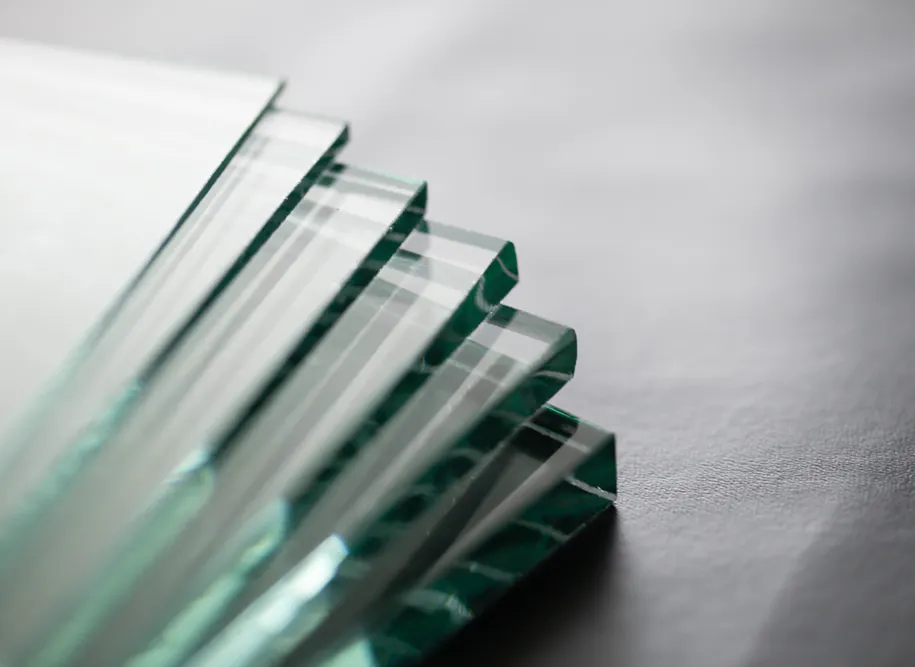
Glass is a hard, brittle, and transparent solid material made by melting sand, soda ash, and limestone at a high temperature. It is employed in many different products, including windows, lenses, mirrors, containers, and fibers. Glass is a versatile material that can be molded, painted, and coated to serve a variety of functions. It is a key component of modern industry and technology due to its hardness, chemical resistance, and electrical insulation. Glass has a long history that dates back thousands of years when sand was first melted in a furnace to create it. The ability to produce glass in large quantities and a variety of shapes was made possible by the development of glass blowing in the first century BC. The quality and variety of glass products significantly improved as the modern glass industry grew in the 19th century. Glass is a material that permeates every aspect of our lives today, from the windows in our homes to the screens on our smartphones.
What is Glass Laser Cutting?
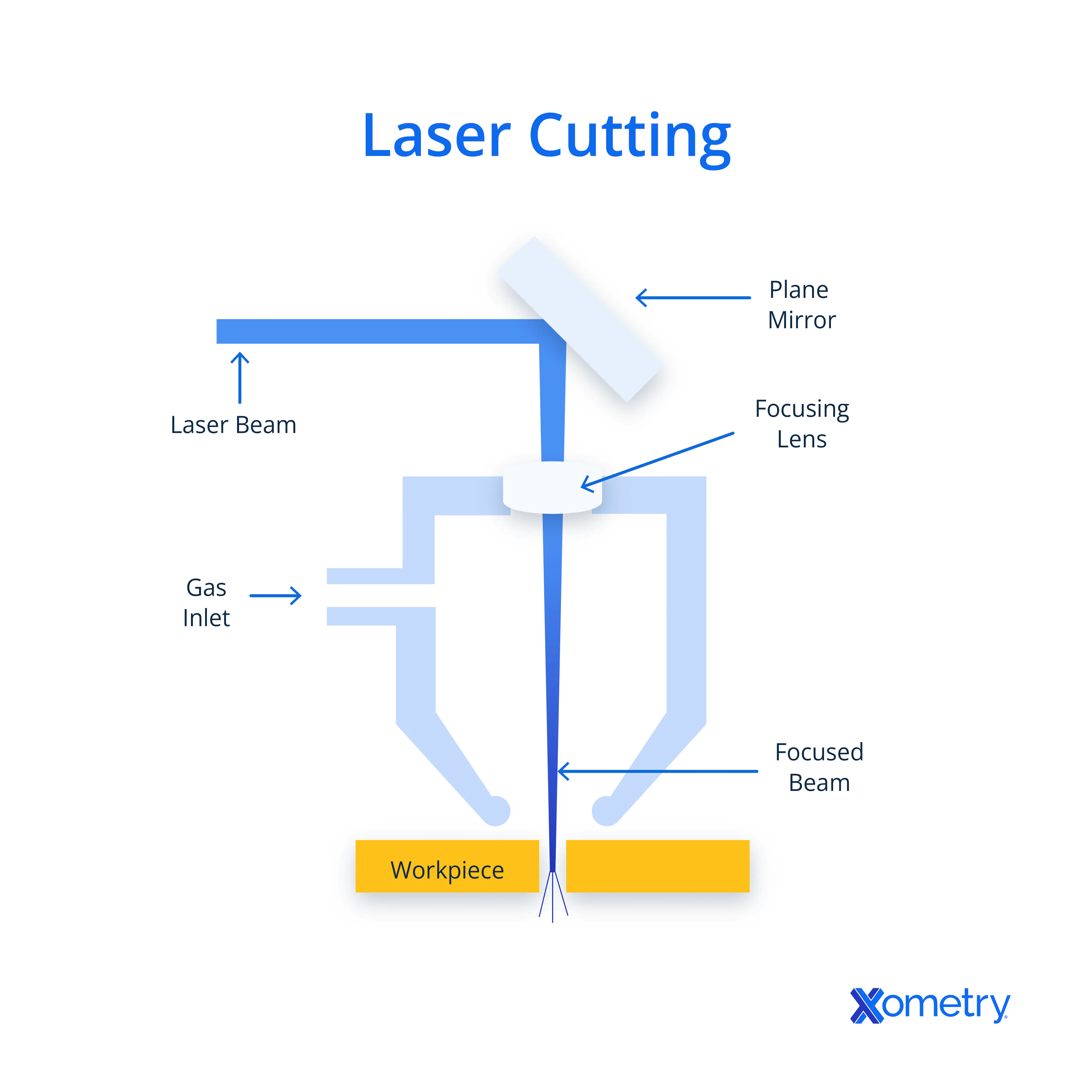
Glass laser cutting is the method of cutting glass materials using a high-powered laser beam. Unlike with other materials, glass laser cutting needs to be done with a specific kind of laser, namely ultrafast pulsed lasers (picosecond or femtosecond in the 10–100W range). These lasers emit a high-energy beam that focuses on the glass surface and, instead of literal “cutting,” provides clean, accurate fractures along a predetermined path. This is necessary because glass doesn’t melt in the same way as plastic to make a quick and clean cut.
The thermal stress induced by the laser then causes even thick or dense glass to cleanly separate, with minimal heat damage. This method can make intricate, highly detailed designs with reduced chances of chipping or cracking as the laser doesn’t actually come in contact with the material.
What Kinds of Glass Are There?
There are numerous varieties of glass, and each has special qualities and traits that make it appropriate for a variety of applications. Stained glass is a type of glass created by mixing metallic salts with molten glass to create vivid colors and intricate patterns. Stained glass is frequently used in artwork and religious structures. Borosilicate glass is renowned for its superior chemical resistance and high refractive index. It is quite often used in laboratory equipment and kitchenware due to its durability and heat resistance. Aluminosilicate glass is a special kind of glass with high strength and toughness that contains silicon oxide and aluminum oxide. It is utilized in products like smartphones and touchscreens that need to be impact and scratch resistant. A pure type of glass made from silicon dioxide is called silica glass, also referred to as fused quartz. It is employed in high-temperature applications like lamps and furnace tubes due to its high thermal stability. Fused silica glass is another type of silica glass made by melting and then quickly cooling silica powder. It is utilized in precision optics, including lenses and mirrors, because of its high purity and homogeneity.
How To Laser Cut a Glass?
There aren’t too many steps in the glass laser cutting process, but that’s not to say that some expertise in the method isn't needed. For proper and safe cutting with lasers, you’ll need specialized tools and be trained on how to use them. These are the steps to follow to laser cut glass:
- Choose a piece of glass to work on, and make sure it fits inside your laser cutter.
- Make a DXF file of your design (if it’s a 3D model, you’ll have to convert it) for your laser cutter to read.
- Wear your PPE, such as safety goggles, mask, and gloves.
- When you’ve put the glass on the laser platform, turn on the ventilation system (usually a fan inside the machine).
- Load the DXF file into the laser cutter and set your cutting parameters—high power, low speed, and longer focal length (i.e., 150–200 mm) for clean cuts.
- Make a start! Keep an eye on the machine while it’s running to make sure everything is going smoothly and as planned.
- After the machine is done, you’ll likely have to sand down any sharp edges on the glass for obvious safety reasons. This can also be done by flame polishing.
What Tools Do I Use To Cut Glass?
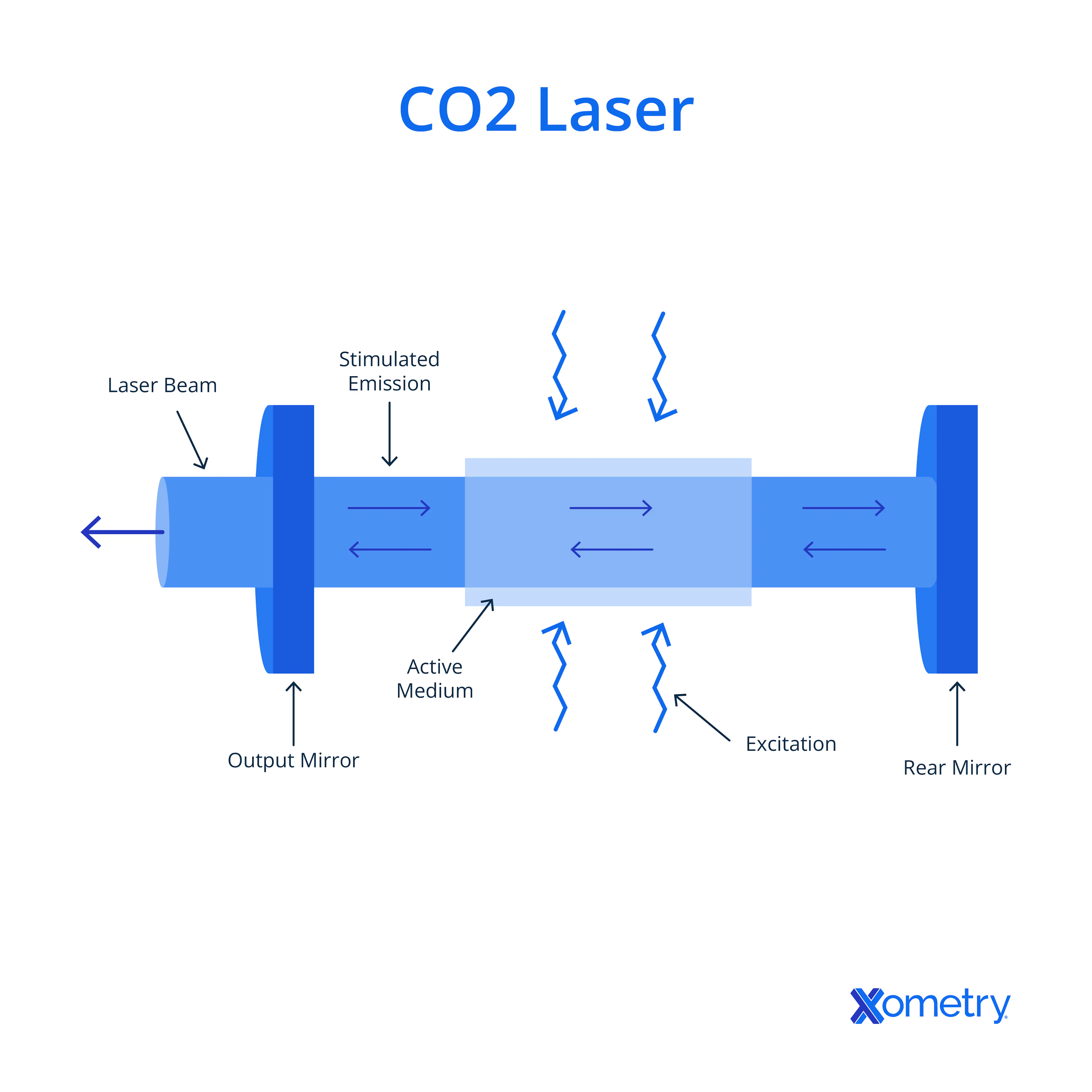
Several tools can be used to cut glass, including diamond-tipped cutters, glass cutters, and laser cutters. Diamond-tipped cutters are often used to score the glass before it is divided along the scored line by a careful snap. However, these methods require a high level of skill and precision to achieve good results. Laser cutting, on the other hand, is a more modern and precise way of cutting glass. CO2 lasers, in particular, are often used to cut or engrave glass.
These lasers can produce intricate shapes and designs with extreme precision because they use a focused beam of light to cut through the glass. The risk of chipping or cracking the glass is reduced when cutting glass with a CO2 laser because the laser does not come into contact with the material. Additionally, it enables more creativity in terms of shapes and patterns that can be produced. However, to use a laser cutter properly and safely, specialized tools and training are needed.
How Can Glass Be Cut With a Laser?
There are three methods of cutting glass with a laser, which are described in the below table.
Glass Laser Cutting Techniques
What Are the Rules for Glass Cutting?
It is important to adhere to certain safety regulations to prevent injuries or equipment damage when cutting glass, especially when using a laser. These safety guidelines are listed below:
- Wear Optical Density (OD) Eye Protection: Specifically, use OD protection that blocks the laser wavelength you are using. This type of protective eyewear prevents the laser from damaging your eyes and helps you avoid exposure to potentially harmful laser radiation.
- Don't Look Directly Into the Laser Light: Laser light can be extremely bright, and looking directly into the beam can cause eye damage. Instead, use a viewing system or camera to monitor the laser-cutting process.
- Provide Adequate Ventilation for the Laser: Laser cutting produces fumes and particles that can be hazardous to your health, so it's important to ensure there is adequate ventilation in the workspace.
- Use Appropriate Gloves When Handling Glass: Glass edges can be very sharp, so it's important to wear protective gloves when handling glass to avoid injury.
Is Glass Cuttable?
Yes, glass can be cut using a range of methods: from more conventional ones like scoring and breaking to more sophisticated ones like laser cutting and water-jet cutting. Glass cutting, however, can be difficult and must be done carefully to prevent breaking or shattering the glass.
What Types of Glass Can Be Laser Cut?
To understand how glass laser cutting works exactly, we need to first look at the type of material that glass is. We all know that it’s hard, brittle, and transparent, but it also boasts chemical resistance and electrical insulation, making it a staple in modern industry and technology. That’s not to say it’s a new material; glass dates back thousands of years when our ancestors discovered that they could make it by melting sand in a furnace. Today, the process of making glass isn’t too dissimilar to the early method; sand, soda ash, and limestone are mixed and melted together at a high temperature.
Glass blowing entered the scene sometime in the first century, and people started making glass items in various shapes, and in large quantities, and in the 19th century, the glass industry boomed. As a manufacturing material, it’s considered very versatile; it can be molded, painted, and coated depending on what it’s needed for. Some of its applications are things like windows, lenses, mirrors, containers, and even fibers, appliances, and screens on smartphones and tablets.
But back to glass laser cutting, there are many different types of glass, and not all of them can be put through this cutting method. For instance, stained glass is not ideal for laser cutting because its metallic oxides affect the laser absorption. Neither can tempered glass as it will totally shatter when the laser hits it due to internal stress.
The below table shows the glass types that are suitable for laser cutting:
Types of Glass Suitable for Laser Cutting
What Kind of Laser Has the Best Wavelength for Cutting Glass?
The most suitable wavelength for laser cutting glass with a UPL is around 1030–1064 nm (Nd:YAG, fiber, or diode-pumped lasers). UV wavelengths (355 nm) can also be used for more high-precision work.
FAQs on Glass Laser Cutting
How Xometry Can Help
As mentioned early on in this article, we do have some glass laser cutting providers in the Xometry network, and you can request a quote from them directly from our website. You can also get an estimate on other related services, including CNC cutting and acrylic laser cutting, or reach out to one of our representatives with any questions.
Disclaimer
The content appearing on this webpage is for informational purposes only. Xometry makes no representation or warranty of any kind, be it expressed or implied, as to the accuracy, completeness, or validity of the information. Any performance parameters, geometric tolerances, specific design features, quality and types of materials, or processes should not be inferred to represent what will be delivered by third-party suppliers or manufacturers through Xometry’s network. Buyers seeking quotes for parts are responsible for defining the specific requirements for those parts. Please refer to our terms and conditions for more information.