
How to Anodize Titanium


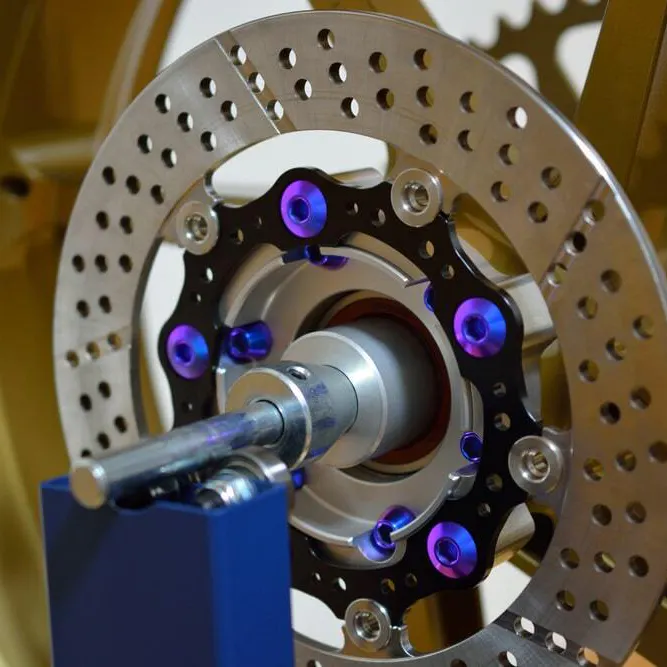
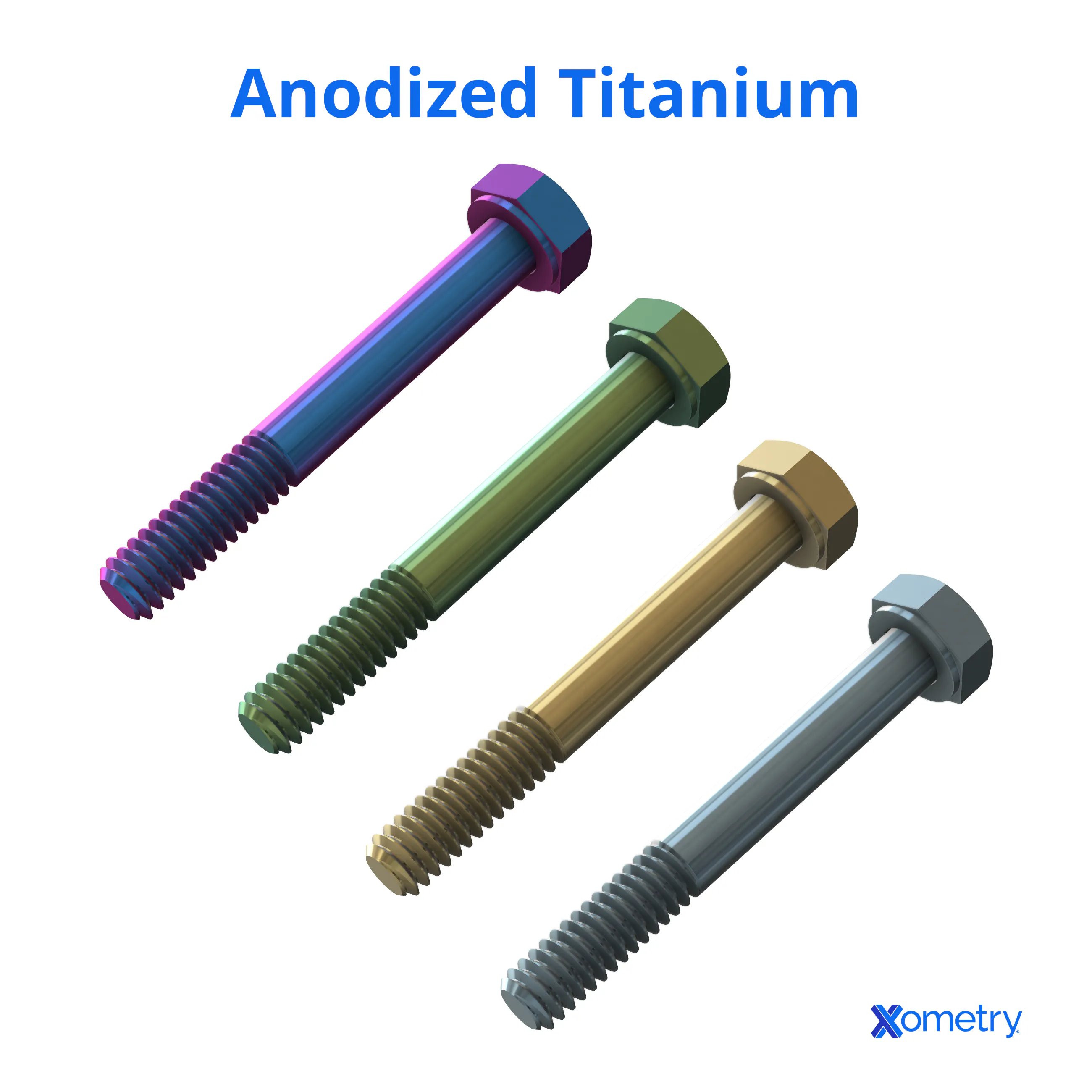
Anodizing titanium is an electrochemical process that grows a controlled titanium dioxide (TiO₂) layer directly on the metal's surface. The process alters the optical properties of the surface, producing vivid colors without dyes or pigments. Anodized titanium works by submerging the metal in an electrolyte solution, distilled water mixed with trisodium phosphate, while applying a direct current. The titanium acts as the anode, drawing oxygen ions from the solution onto the surface. Voltage determines the thickness of the oxide layer, which ranges from 10 to 300 nanometers, and that thickness dictates the color visible to the eye through thin-film light interference. Voltage control defines the final appearance by adjusting oxide growth at the atomic level. Lower voltage produces thinner oxide layers that reflect warm tones like gold and yellow. Higher voltage produces thicker layers that shift the reflection toward blue, green, and violet through interference effects. The oxide layer forms directly from titanium atoms, which creates strong bonding between the surface and the metal substrate. No external coating enters the process, which keeps the finish stable under wear, heat, and chemical exposure.
The steps covered in the guide walk through each phase of the process, from surface preparation to electrochemical circuit setup. Cleaning removes oils and oxidation that interfere with uniform oxide growth. Voltage selection, circuit configuration, and color monitoring are addressed in dedicated steps. Material and tool requirements are outlined to ensure safe and accurate results. The guide covers post-process care, including rinsing, drying, and optional sealing, to preserve the finished oxide layer.
Step 1: Clean the Titanium
Cleaning the titanium surface removes contaminants that prevent uniform oxide formation during anodizing.
Wash the piece with soap and water to remove surface oils and loose debris.
- Wipe the surface with acetone or isopropyl alcohol to dissolve any remaining grease or organic residue.
- Scrub lightly with a nylon brush to address minor oxidation or stubborn surface buildup without scratching the metal.
- Rinse with distilled water to remove cleaning agent residue.
- Dry the piece completely using a lint-free cloth or allow it to air dry before proceeding.
Step 2: Prepare the Electrolyte
The electrolyte solution conducts the electrical current necessary for oxide layer growth on the titanium surface.
- Fill a plastic, non-metallic container with distilled water to avoid introducing mineral impurities that affect conductivity and oxide quality.
- Add approximately 1 to 2 teaspoons of trisodium phosphate per liter of distilled water.
- Stir the solution until the trisodium phosphate fully dissolves before use.
Step 3: Set Up the Electrochemical Circuit
Proper circuit setup ensures stable current flow and consistent oxide growth across the titanium surface.
- Attach the titanium piece to the positive terminal of the DC power supply using an alligator clip, designating it as the anode.
- Connect a stainless steel or graphite plate to the negative terminal, making it the cathode.
- Lower both electrodes into the electrolyte solution without allowing them to touch each other.
- Confirm secure connections at all terminals before applying power.
Step 4: Apply Voltage
Voltage level determines the thickness of the oxide layer, and the thickness produces a specific color through light interference.
- Set the DC power supply to a low starting voltage and increase it gradually toward the target level.
- Apply 15 to 25 volts to achieve gold or yellow tones on the titanium surface.
- Increase voltage to the 40 to 60 volt range to produce purple or blue coloration.
- Raise the voltage to the 80 to 100 volt range to reach green, turquoise, or violet shades.
- Avoid abrupt voltage spikes, as uneven current causes inconsistent color across the surface.
Step 5: Monitor Color
Color appears progressively as the oxide layer thickens, requiring close observation during the anodizing process.
- Watch the titanium surface for the target color to emerge as voltage increases.
- Turn off the power supply immediately once the desired color appears, as continued exposure shifts the color past the target range.
- Remove the titanium piece from the electrolyte solution promptly after powering down.
- Rinse the piece thoroughly with distilled water to stop any residual electrochemical activity.
Step 6: Dry and Optional Sealing
Proper drying and optional sealing preserve the oxide layer and maintain the anodized color over time.
- Air dry the titanium piece on a clean surface, or gently pat it dry using a soft, lint-free cloth.
- Avoid abrasive materials during drying, as the oxide layer scratches under mechanical contact even though it is chemically stable.
- Apply a thin coat of clear lacquer or a light protective oil if additional surface protection is desired for decorative or handled pieces.
- Note that sealing is not required for most applications because the titanium dioxide layer resists environmental degradation without additional treatment.
What Are the Materials and Tools Needed for Anodizing Titanium?
The materials and tools needed for anodizing Titanium are listed below.
- Titanium piece (clean, degreased): The titanium piece acts as the anode where oxidation occurs during the process. Surface preparation removes oils, fingerprints, and native oxide buildup that block current flow. Operators clean the part using solvents or ultrasonic cleaning to ensure a contaminant-free surface. Even minor contamination creates patchy color or streaking across the surface.
- DC power supply (adjustable voltage): The DC power supply controls voltage levels that define oxide thickness and resulting color. Operators adjust the voltage within a 0 to 120 volt range to reach specific colors in sequence. Stable output prevents fluctuations that shift color mid-process. Precision voltage control enables repeatable results across multiple parts.
- Distilled water: Distilled water forms the base of the electrolyte and removes unwanted ions found in tap water. Mineral content in untreated water disrupts conductivity and introduces unpredictable reactions. A clean electrolyte base ensures consistent current distribution across the titanium surface. Purity directly affects color uniformity and finish quality.
- Trisodium phosphate or borax: Trisodium phosphate increases electrolyte conductivity and supports smooth oxide formation on the titanium surface. Operators mix it at controlled ratios, usually 1 to 2 teaspoons per liter, to maintain stable conditions. Borax provides a milder alternative that reduces aggressive reactions during anodizing. Electrolyte composition influences how evenly current spreads across the workpiece.
- Cathode (stainless steel or graphite plate): The cathode completes the electrical circuit and balances the electrochemical reaction. Stainless steel resists corrosion during repeated use, while graphite provides chemical stability in the solution. Proper positioning ensures the cathode stays submerged without touching the titanium. Direct contact between electrodes causes short circuits and surface damage.
- Plastic container (non-metallic): The plastic container holds the electrolyte and prevents unintended electrical paths. Non-metallic material stops current leakage that occurs with conductive containers. Chemical resistance ensures the container does not degrade or contaminate the solution. Container size determines how evenly the electrolyte surrounds the titanium piece.
- Alligator clips and insulated wires: Alligator clips connect the titanium and cathode to the power supply terminals with secure contact points. Insulated wires prevent electrical exposure and reduce the risk of accidental contact. Strong connections maintain stable current flow during the process. Loose or corroded clips interrupt the circuit and cause uneven anodizing.
- Protective gear (gloves, goggles, apron): Protective gear shields against chemical splashes and electrical hazards during anodizing. Gloves protect skin from electrolyte contact, while goggles prevent eye exposure. An apron blocks spills from reaching clothing and skin. Safety equipment reduces risk during the handling of energized solutions and chemical mixtures.
"Engineers must specify surface finishes below Ra 0.8 micrometers to ensure that thin-film light interference produces uniform color across titanium components. Precise voltage regulation is the primary factor for controlling titanium dioxide layer thickness (up to 300 nanometers), while hard coat anodizing should be prioritized for parts requiring increased surface hardness and wear resistance."
What Is Anodized Titanium?
Anodized titanium is titanium that has undergone an electrochemical treatment to grow a controlled titanium dioxide (TiO₂) layer on its surface. The process does not apply a coating from an external material. Instead, oxygen from the electrolyte solution bonds directly with the titanium surface to form the oxide layer. Layer thickness falls in the range of 10 to 300 nanometers, and the exact thickness determines how visible light reflects and interferes, producing colors without any dye or pigment.
The oxide layer formed through anodizing carries measurable physical benefits. Surface hardness increases, making the treated titanium more resistant to scratching and abrasion than untreated metal. The layer acts as a chemical barrier, reducing the rate at which the underlying metal reacts with moisture, oxygen, and corrosive substances. Biocompatibility also improves, which explains the material's presence in orthopedic implants and surgical instruments. From an aesthetic standpoint, the color produced is permanent because it is part of the metal surface itself, not a film applied on top. The electrochemical process responsible for these properties is covered in detail in the section on how anodized titanium works.
How does Anodized Titanium Work? Anodized titanium works through a controlled electrochemical reaction in which voltage drives oxygen ions from an electrolyte solution onto the titanium surface, forming a titanium dioxide (TiO₂) layer. The titanium piece connects to the positive terminal of a DC power supply, making it the anode, while a stainless steel or graphite plate connects to the negative terminal as the cathode. Both electrodes sit in a conductive electrolyte solution, commonly distilled water with trisodium phosphate. When current flows, oxygen migrates to the titanium surface and bonds with the metal at the atomic level. The oxide layer grows thicker as the voltage increases. At specific thicknesses measured in nanometers, the layer causes white light to split into visible wavelengths through thin-film interference, producing colors that range from gold at lower voltages to green and violet at higher voltages.
What Happens During Titanium Anodizing?
Titanium anodizing changes the surface of titanium through a controlled electrochemical reaction that grows a titanium dioxide layer. Titanium anodizing begins the moment direct current flows from the power supply through the electrolyte solution and reaches the titanium anode. Oxygen ions in the electrolyte migrate toward the positively charged titanium surface and bond with titanium atoms, forming titanium dioxide (TiO₂) at the metal-solution interface. The oxide layer grows inward into the titanium surface instead of building outward as a coating, which means it integrates directly into the metal structure. Voltage controls the rate and final thickness of the layer. The oxide layer reaches a thickness of approximately 30 nanometers at 20 volts, producing gold or bronze tones. Shifting the color toward green or turquoise through thin-film light interference at 80 to 100 volts, the thickness increases to 160 to 250 nanometers. The process halts once the power supply is turned off, locking in the oxide thickness and the corresponding color. No dyes, pigments, or secondary chemical treatments are applied. The color observed on the surface results entirely from how light waves of different wavelengths cancel or reinforce each other as they pass through the oxide layer formed during the anodizing reaction.
Does Anodizing Change the Surface of Titanium?
Yes, anodizing changes the surface of titanium by forming a stable titanium dioxide (TiO₂) layer directly on the metal. The process alters both chemical behavior and physical performance at the outermost surface of titanium. Untreated titanium carries a thin natural oxide film, while anodizing grows a thicker and more controlled oxide structure through electrochemical reaction. The new layer integrates with the base metal instead of sitting on top as a coating. Surface properties shift immediately after formation of the TiO₂ layer.
Surface hardness increases as the oxide layer develops, moving beyond the base titanium hardness level of approximately 36 HRC. The anodized surface resists abrasion and scratching due to the dense ceramic-like structure of titanium dioxide. Chemical stability improves across environments that include saltwater, mild acids, and biological fluids. Electrical behavior changes as well, since the oxide layer acts as a dielectric barrier across the surface. Color becomes part of the metal surface itself, which eliminates peeling or flaking under mechanical or environmental stress.
Why Does Titanium Change Color When Anodized?
Titanium changes color during anodizing because the titanium dioxide (TiO₂) layer grown on its surface causes thin-film light interference. White light striking the oxide surface splits into its component wavelengths. Part of the light reflects off the outermost surface of the oxide layer, while another portion passes through the layer and reflects off the underlying titanium metal. The two reflected portions of light travel slightly different distances and recombine. At specific oxide thicknesses, certain wavelengths of light cancel each other out through destructive interference while others amplify through constructive interference, and the wavelength that amplifies becomes the color visible to the eye. An oxide layer of approximately 25 nanometers reflects yellow light. A thickness of around 40 nanometers produces blue. A thickness of about 160 nanometers shifts the visible color toward green. No dyes, pigments, or chemical colorants are involved in the process at any stage. The color on the surface exists entirely because of the optical behavior of the oxide layer at that specific thickness, making the finish permanent and dye-free compared to coloring methods used on other metals.
How Does Voltage Affect Titanium Color?
Voltage affects titanium color by changing the titanium dioxide layer thickness during anodizing. Voltage directly controls the thickness of the titanium dioxide (TiO₂) layer during anodizing, and the thickness determines which wavelength of visible light undergoes constructive interference, producing the observed color. The oxide layer grows thin and reflects longer wavelengths at lower voltage levels. Applying 15 to 20 volts produces gold or yellow tones. Increasing voltage to the 25 to 40 volt range shifts the color toward bronze, then purple, as the oxide layer thickens further. Blue appears in the 45 to 60 volt range. Continuing to raise the voltage past 70 volts moves the color toward teal, green, and then turquoise. Reaching 90 to 120 volts produces violet and a secondary gold tone as the interference cycle completes a second pass. The relationship from voltage to color follows a predictable pattern, allowing operators to hit specific colors repeatedly by applying the same voltage under consistent electrolyte conditions. Small voltage deviations of even 2 to 3 volts shift the resulting color noticeably. Accurate voltage control is the primary factor in achieving consistent, repeatable results when targeting a specific color across a production run.
Can Voltage Control Titanium Anodizing Colors?
Yes, voltage controls anodizing colors in titanium by governing the titanium dioxide layer thickness, which sets the light interference pattern that produces visible color. Voltage determines how many oxygen ions bond to the titanium surface during anodizing, which directly controls how thick the oxide layer becomes. Each thickness range reflects a specific portion of the visible spectrum, which creates consistent color outcomes under stable process conditions. Stable electrolyte composition supports predictable ion movement, which keeps voltage-to-thickness conversion consistent across repeated runs.
Gold appears near 15 to 20 volts due to thin oxide formation and shorter optical path differences. Purple forms near 35 to 45 volts as the oxide layer thickens and shifts interference toward shorter wavelengths. Blue emerges near 50 to 60 volts under mid-range thickness conditions. Teal and green appear beyond 70 volts as oxide growth continues and longer interference cycles dominate reflection. Violet and secondary gold tones occur near 90 to 120 volts as additional interference transitions occur. Voltage stability within a narrow range maintains color repeatability, while minor deviations produce visible shifts across adjacent hues.
What Colors Can You Get From Anodized Titanium?
The colors you can get from Anodized Titanium are listed below.
- Bronze: Bronze appears at the earliest stage of anodizing, where voltage stays low, and oxide thickness remains minimal. Bronze reflects a warm metallic tone with slight brown and gold undertones. Surface polish strongly affects how bronze appears, with mirror finishes producing a brighter metallic shine while matte surfaces create a softer look.
- Purple: Purple forms as voltage increases and the oxide layer grows thicker, which shifts reflected light toward shorter wavelengths. Purple displays a deep and rich tone that stands out clearly against untreated titanium. Voltage stability plays a key role in keeping the purple shade uniform across the surface.
- Dark Blue: Dark blue develops when oxide thickness reaches a level that reflects specific visible wavelengths more intensely. Dark blue produces a dense and saturated appearance with strong visual depth. Fine voltage adjustments separate dark blue from adjacent shades like purple and light blue.
- Light Blue: Light blue appears when the oxide thickness slightly differs from dark blue, allowing more brightness to reflect. Light blue shows a clearer and more vibrant tone that responds strongly to lighting conditions. Smooth surface preparation helps maintain a consistent light blue finish.
- Yellow: Yellow forms at a specific oxide thickness where mid-spectrum wavelengths dominate reflection. Yellow creates a bright and reflective metallic color that stands out in natural light. Minor voltage changes shift yellow quickly toward gold or bronze, which makes precise control essential.
- Gold: Gold develops near the yellow range with a slightly adjusted oxide thickness that shifts the tone warmer. Gold presents a richer metallic look compared to yellow, with a deeper hue and stronger visual warmth. Consistent electrolyte conditions help maintain the gold tone across larger surfaces.
- Pink: Pink emerges as oxide thickness increases further and red wavelengths begin to dominate reflection. Pink shows a soft and noticeable tone that contrasts with cooler colors like blue and green. Controlled voltage increments prevent uneven transitions between pink and magenta.
- Magenta: Magenta appears when oxide thickness supports strong interference between red and blue wavelengths. Magenta produces a bold and vivid finish with high saturation. Surface cleanliness influences how sharp and even the magenta color appears.
- Teal: Teal forms at a thickness where blue and green wavelengths combine through interference. Teal displays a balanced cool tone with a smooth transition between blue and green hues. Uniform current distribution ensures consistent teal coloring across edges and flat areas.
- Green: Green develops as oxide thickness increases and mid-spectrum wavelengths dominate reflection. Green presents a clean and natural metallic color with moderate brightness. Thickness consistency across the surface determines whether green appears even or shifts into teal or yellow tones.
How Does a Titanium Anodizing Color Chart Work?
A titanium anodizing color chart works by mapping the specific voltage levels to the corresponding surface colors produced by thin-film light interference at each oxide thickness. The chart functions as a reference guide that allows operators to select a target color and apply the corresponding voltage without trial and error. Bronze appears at the lowest end of the chart near 15 volts. Gold and yellow follow at 20 to 25 volts. The chart progresses through purple at 35 to 45 volts, dark blue at 50 to 60 volts, light blue slightly below that range, teal near 65 to 75 volts, and green from 75 to 85 volts. Pink and magenta fall near 90 to 100 volts, with violet appearing toward 100 to 120 volts. The chart assumes standardized electrolyte conditions, typically distilled water with trisodium phosphate at room temperature near 68°F (20°C). Deviation from the reference conditions shifts the actual color away from the charted value at any given voltage. Operators treat the chart as a calibration starting point and verify results on a test piece before committing to a full production run. Titanium anodizing produces no colors through dyes because all chart values reflect interference-based optical effects tied to oxide layer thickness.
Are All Titanium Colors Achieved Through Anodizing?
No, not all colors visible on titanium products are achieved through anodizing. Anodizing produces a specific range of colors, bronze, gold, yellow, purple, dark blue, light blue, teal, green, pink, magenta, and violet, through thin-film light interference based on oxide layer thickness. Colors outside the interference range, such as true red, white, black, or opaque solid tones, are not achievable through standard anodizing. Black titanium finishes are produced through physical vapor deposition (PVD) coating, a separate process that deposits a thin film of material onto the surface rather than growing an oxide layer. White and matte finishes come from surface texturing, sandblasting, or chemical etching rather than anodizing. Manufacturers combine anodizing with laser etching to produce detailed patterns and gradients, but the colors themselves remain limited to the interference spectrum. The range of colors achievable through anodizing covers a broad and visually rich set of options for most decorative and functional applications. The interference-based color range makes anodized titanium distinct from metals that rely on dye or coating-based coloring systems.
What Is the Difference Between Anodizing Titanium and Other Metals?
Anodizing titanium differs from anodizing other metals primarily in the mechanism that produces color and the structural outcome of the process. Titanium anodizing grows a titanium dioxide layer that produces visible color through thin-film light interference based on oxide thickness, requiring no dyes or additional chemicals. The oxide integrates directly into the metal surface, changing its atomic structure rather than adding a separate layer on top. Aluminum anodizing, by contrast, creates a porous oxide layer that is then immersed in a dye bath to absorb color into the pores. The color in aluminum anodizing comes from the dye, not from optical interference, and the pores are sealed afterward to lock the pigment in place. Magnesium anodizing focuses primarily on corrosion protection rather than color, as the resulting oxide layer is opaque and dark rather than optically active. Titanium's oxide layer is denser and more chemically stable than aluminum oxide, offering stronger resistance to corrosive environments without the need for sealing. The absence of dyes in titanium anodizing means the surface color remains unaffected by UV exposure, moisture, and chemical contact over the part's service life.
How Does Titanium Anodizing Compare to Aluminum Anodizing?
Titanium anodizing and aluminum anodizing differ in color mechanism, oxide structure, and post-process requirements. Titanium produces color through thin-film light interference in a dense, non-porous titanium dioxide layer. The color depends entirely on oxide thickness, which is controlled by voltage controls during the process. No dyes are applied at any stage, and the finish requires no sealing because the oxide layer is already stable and non-porous at the end of the anodizing cycle. Aluminum anodizing produces a porous oxide layer that absorbs dye to achieve color. The porous structure must be sealed after dyeing to fix the color and close the surface. Aluminum's anodized layer is thicker in absolute terms, ranging from 5 to 25 micrometers for decorative grades and up to 100 micrometers for hard coat applications. Titanium's anodized layer stays in the 10 to 300 nanometer range, which is far thinner but optically active due to its refractive properties. Titanium's finish is more UV-stable and chemically resistant than dye-based aluminum anodizing finishes.
Can Stainless Steel be Anodized Like Titanium?
No, stainless steel can not be anodized in the same way as titanium. Titanium anodizing relies on the electrochemical growth of a titanium dioxide (TiO₂) layer, which produces color through thin-film light interference. Stainless steel does not form a comparable optically active oxide layer under standard anodizing conditions. Applying voltage to stainless steel in an electrolyte does not produce a stable, controllable oxide layer with interference-based color properties. Stainless steel can be colored through alternative electrochemical methods, primarily the Inco process, which involves immersing the steel in a chromic/sulfuric acid bath under controlled voltage to form a thin oxide layer. The colors achievable through the Inco process are limited and less vibrant than those produced through titanium anodizing, and the finish is less durable under physical contact. Passivation, not anodizing, is the standard electrochemical surface treatment for stainless steel, improving corrosion resistance by removing free iron from the surface.
What Is Anodized Titanium Used For?
Anodized titanium is used for a broad range of industries where corrosion resistance, biocompatibility, surface hardness, and precise color control are required simultaneously. Medical and surgical applications represent one of the primary use categories, as the oxide layer grown through anodizing is biologically inert and integrates safely with human tissue. Aerospace and aviation rely on anodized titanium fasteners, structural brackets, and housings because the material resists oxidation at elevated temperatures and in oxygen-rich environments. Industrial equipment exposed to chemical processing environments uses anodized titanium components for their resistance to acids, alkalis, and saltwater. Marine hardware, including propeller shafts, fittings, and hull fasteners, benefits from the corrosion resistance of the oxide layer in continuous seawater exposure. Decorative and consumer goods applications take advantage of the vivid, dye-free colors achievable through voltage-controlled anodizing. Jewelry, watch components, eyeglass frames, and sporting goods use anodized titanium for its combination of light weight, durability, and permanent color. The range from medical implants to consumer products reflects the flexibility of the anodizing process in adapting to different performance requirements across industries without altering the underlying titanium alloy composition.
Used in Medical Implants and Surgical Instruments
Anodized titanium in medical implants and surgical instruments creates a biocompatible TiO₂ surface that supports osseointegration when combined with specific surface textures. The oxide layer promotes stable fixation in orthopedic screws, dental implants, and joint components under long-term load. Surgeons apply voltage-based color coding to identify implant diameters, lengths, and tool sizes during time-sensitive procedures. Repeated autoclave sterilization does not degrade the oxide layer, which preserves surface integrity and reduces contamination risk.
Used in Aerospace Components and Aircraft Fasteners
Anodized titanium in aerospace components and aircraft fasteners maintains structural performance under cyclic thermal expansion and contraction. The oxide layer reduces adhesive wear at threaded interfaces and sliding contact zones, which limits surface damage during assembly and disassembly. Engineers select anodized titanium for airframe joints, turbine housings, and critical fasteners exposed to vibration and heat. The combination of low density and high tensile strength improves fuel efficiency while maintaining mechanical reliability.
Used in Industrial Equipment and Chemical Processing Parts
Anodized titanium in industrial equipment and chemical processing parts withstands aggressive chemical exposure without surface breakdown. The oxide layer acts as a barrier against ion exchange, which prevents corrosion in reactors, piping systems, and heat exchangers handling reactive substances. Process industries rely on anodized titanium for handling oxidizing environments, chlorine-based solutions, and specific concentrations of hydrochloric and sulfuric acid. Equipment life extends due to reduced material loss and lower maintenance frequency in harsh processing environments.
Used in Marine Hardware and Corrosion-Resistant Components
Anodized titanium in marine hardware and corrosion-resistant components resists electrochemical reactions in saltwater, where dissimilar metals create galvanic currents. The oxide layer isolates the base metal from electrolytic interaction, which prevents surface degradation over extended exposure periods. Marine applications include propeller shafts, fasteners, anchor systems, and submerged structural fittings operating under constant moisture and pressure. Long-term immersion does not compromise adhesion of the oxide layer, which supports durability in deep-sea conditions.
Used in Jewelry and Decorative Items
Used in Jewelry and Decorative Items
Anodized titanium in jewelry and decorative items produces stable interference colors through controlled oxide thickness rather than applied coatings. The oxide layer integrates into the surface, which prevents chipping, peeling, or discoloration from regular handling. Designers create precise color gradients by adjusting voltage in incremental steps during anodizing. Titanium offers a low density of 0.163 lbs per cubic inch (4.51 g/cm³), which supports lightweight wear for rings, bracelets, and body jewelry without sacrificing durability.
How Does Anodizing Compare to Electroplating for Titanium?
Anodizing and electroplating differ fundamentally in how to modify the titanium surface and what material forms the final finish. Anodizing grows a titanium dioxide (TiO₂) layer directly from the titanium metal by driving oxygen ions onto the surface through an electrochemical reaction. The layer is part of the metal itself, not an external addition. Electroplating deposits a separate metal (gold, nickel, chromium, or others) onto the titanium surface by reducing dissolved metal ions from a bath solution onto the part acting as the cathode. The deposited layer sits on top of the titanium rather than integrating into it. Adhesion between the plated layer and titanium is challenging because titanium's natural oxide passivation layer resists bonding with deposited metals, typically requiring aggressive surface activation steps involving hydrofluoric acid etching. Anodizing avoids adhesion issues entirely because no foreign material is applied. The anodized finish tolerates mechanical stress, thermal cycling, and chemical exposure better than plated finishes, which delaminate under the same conditions in Anodizing compare to Electroplating.
What Are the Key Differences Between Anodizing and Electroplating?
The key differences between Anodizing and electroplating are in process mechanism, layer structure, adhesion, thickness, and application suitability. Anodizing is an oxidation-based electrochemical process that converts the metal surface into a stable oxide compound. Electroplating is a deposition-based process that reduces dissolved metal ions from a solution onto a base metal surface. The anodized layer on titanium measures 10 to 300 nanometers in thickness and integrates into the metal at the atomic level. Electroplated layers range from 0.1 to 50 micrometers, depending on the application, and deposit a separate material on top of the substrate. Adhesion quality differs significantly. An anodized layer bonds through chemical conversion and carries no risk of delamination under normal service conditions. An electroplated layer bonds mechanically and chemically to the substrate surface, but adhesion degrades under thermal cycling, impact, or corrosive exposure. Wear resistance also differs. Anodized titanium maintains its surface properties through the inherent hardness of the TiO₂ layer. Electroplated finishes depend on the hardness of the deposited metal, which varies widely from soft gold at 25 HV to hard chromium at 900 to 1,100 HV. Each process carries distinct trade-offs in cost, durability, and finish compatibility with specific operating environments.
Is Anodizing Better Than Electroplating for Titanium?
Yes, anodizing is the better surface treatment for titanium in applications. The anodized TiO₂ layer forms through chemical conversion of the base metal, eliminating adhesion failures that affect deposited coatings. Electroplating titanium requires aggressive surface activation, typically with hydrofluoric acid, to break through the natural passive oxide layer before deposition. Skipping or inadequately performing the activation step leads to poor adhesion and eventual coating failure. Anodizing avoids the activation requirement entirely because it builds on the natural oxide-forming tendency of titanium. The anodized layer adds no measurable mass to tight-tolerance components, as the 10 to 100 nanometer thickness falls below the dimensional tolerance of most precision titanium parts. Electroplated layers ranging from 5 to 50 micrometers alter part dimensions enough to require tolerance compensation in the machining phase. Corrosion performance of the anodized finish matches or exceeds that of common electroplated finishes when tested in saltwater and acid exposure. Anodizing preserves material integrity while delivering better long-term surface performance than deposited metal coatings for titanium specifically.
How Is Hard Coat Anodizing Different in Titanium Anodizing?
Hard coat anodizing differs from standard titanium anodizing in oxide layer thickness, process conditions, and the primary purpose of the treatment. Standard titanium anodizing produces an oxide layer from 10 to 300 nanometers thick at voltages from 15 to 120 volts, targeting color through thin-film light interference. Hard coat anodizing applies higher current densities and often lower electrolyte temperatures to grow a significantly thicker, denser oxide layer. Hard coat layers reach 25 to 100 micrometers for aluminum, far exceeding standard anodizing thickness. Titanium hard coat processing pushes oxide growth past the interference color range into layers that prioritize mechanical performance over optical effects. The resulting surface reaches hardness values approaching 2,000 HV (Vickers hardness) in titanium oxide, compared to the base titanium hardness of approximately 300 to 400 HV. Wear resistance increases proportionally with layer thickness and density. Applications requiring hard coat titanium anodizing include high-load bearing surfaces, cutting tool coatings, and components exposed to particle erosion in industrial or aerospace environments using Hard Coat Anodizing.
What Makes Hard Coat Anodizing Different From Standard Anodizing?
Hard coat anodizing differs from standard anodizing in current density, electrolyte temperature, oxide layer thickness, and end-use purpose. Standard anodizing operates at current densities from 1 to 3 A/ft² under room temperature electrolyte conditions, which produces thin oxide layers intended for decorative appearance and light surface protection. Hard coat anodizing increases current density to 24 to 36 A/ft² while reducing electrolyte temperature to a range of 28 to 35°F (negative 2 to 2°C) to control reaction speed and prevent surface damage. The process drives oxide growth into a dense structure that prioritizes mechanical strength over optical effects. Interference-based color disappears once thickness exceeds the nanometer range, which shifts the surface toward dark gray or black tones.
Hard coat anodizing produces oxide layers ranging from 1 to 5 micrometers, while standard anodizing forms layers in the 10 to 300 nanometer range. The thicker structure increases surface hardness beyond 60 HRC equivalent in titanium oxide layers. Abrasion resistance increases significantly under Taber testing, reaching 10 to 20 times higher performance compared to untreated titanium. The dense oxide structure reduces surface wear in environments with constant friction, impact, and particle erosion. Industrial and aerospace components rely on the behavior, where mechanical durability takes priority over visual coloration.
Is Hard Coat Anodizing Used for Titanium Parts?
Yes, hard coat anodizing is used for titanium parts in applications requiring maximum surface hardness, wear resistance, and protection against particle erosion. Orthopedic implants such as hip and knee components rely on hard-anodized titanium surfaces to support repeated mechanical loading without surface fatigue or degradation. Aerospace fasteners and structural assemblies use the hardened oxide layer to reduce fretting wear at vibration interfaces where metal-to-metal contact occurs under cyclic stress. Chemical processing equipment applies hard-coated titanium in pump components and valve seats exposed to abrasive fluids and suspended solids. Industrial systems exposed to continuous mechanical contact depend on the dense oxide layer to maintain surface stability over long operating periods.
Hard coat anodizing requires extended processing time, strict temperature control, and higher electrical energy input compared to standard anodizing processes. Processing duration ranges from 30 to 120 minutes based on required oxide thickness, while decorative anodizing for color applications operates within 5 to 20 minutes. Controlled current density and electrolyte composition drive the formation of a compact oxide structure designed for mechanical durability instead of color output. Production cost increases due to longer cycle times and tighter process control requirements. Component service life increases by a factor of 3 to 5 in abrasive and high-wear conditions, which reduces replacement frequency across industrial and aerospace applications.
How Do CNC Machining Services Prepare Titanium for Anodizing?
CNC machining prepares titanium for anodizing by defining the final geometry and controlling surface condition before electrochemical processing starts. The machining process removes excess material from titanium billets or bar stock through programmed tool paths that produce precise dimensional control. Surface finish at the end of machining directly influences anodized color because the oxide layer forms over existing surface texture at the microscopic scale. Rough surfaces above Ra 1.6 micrometers scatter reflected light unevenly, which creates inconsistent color zones across the finished part. Smoother finishes near Ra 0.8 micrometers support even oxide growth and stable color formation across edges, curves, and flat areas.
Post-machining cleaning removes residues that interfere with anodizing performance. Degreasing uses solvents such as acetone or isopropyl alcohol to eliminate cutting fluids, oils, and embedded debris from tool contact. Rinsing with distilled water clears remaining contaminants that disrupt electrolyte conductivity during anodizing. Titanium machining behavior requires controlled cutting speeds and stable tool geometry because low thermal conductivity traps heat near the cutting zone. The CNC Machining manages tool movement and feed rates to reduce surface damage and maintain consistent readiness for oxide layer formation.
How Does CNC Machining Affect Titanium Anodizing Results?
CNC machining affects titanium anodizing results by setting surface texture and dimensional control before electrochemical processing starts. Surface roughness (Ra) defines how evenly the oxide layer grows across peaks and valleys on the titanium surface. A smoother finish near Ra 0.4 micrometers supports uniform oxide thickness and stable color distribution across the entire part. Rougher finishes above Ra 1.6 micrometers create uneven oxide growth, which produces visible variation in color intensity and reflection across different surface zones. Tool path direction during finishing passes influences how light reflects after anodizing, which affects perceived consistency under different lighting angles.
Residual stress from machining operations influences oxide formation during anodizing. Compressive stress from controlled finishing passes supports dense and stable oxide adhesion on the titanium surface. Tensile stress from aggressive cutting conditions introduces micro-defects that disrupt oxide growth and create irregular color patches. Cutting fluid choice affects surface chemistry before anodizing begins. Sulfur-based fluids leave residues that resist cleaning and interfere with electrolyte reaction, while water-soluble or dry machining processes leave cleaner surfaces that support consistent oxide development. The tool strategy during finishing defines surface marking direction, which shapes how anodized titanium reflects light across complex geometries.
Is Surface Finish Important Before Anodizing Titanium?
Yes, surface finish is important before anodizing titanium because oxide growth reproduces the exact surface texture of the base metal at the microscopic scale. Titanium dioxide forms as a thin conformal layer that follows scratches, pits, and machining marks without smoothing them out. Rough surfaces above Ra 0.8 micrometers scatter reflected light unevenly, which creates visible variation in color across the finished part. Mirror or polished finishes produce more uniform interference colors because light reflects consistently across smoother geometry. Surface defects before anodizing remain locked into the final appearance after oxide formation completes.
Contamination control plays a major role in oxide consistency during anodizing. Cutting fluids, fingerprints, and airborne residues block electrical contact between the electrolyte and the titanium surface, which creates patchy or dull regions. Degreasing with acetone removes oil-based contaminants from machining processes. Isopropyl alcohol rinsing removes finer residues left after primary cleaning. Distilled water rinse eliminates ionic impurities that disrupt electrolyte behavior during anodizing. Electropolishing reduces surface roughness below Ra 0.2 micrometers in precision applications such as medical implants and aerospace components, which supports highly uniform oxide growth and stable color development across complex geometries.
What Are the Benefits and Limits of Anodized Titanium?
The benefits and limits of Anodized Titanium are listed below.
- Corrosion Resistance: The titanium dioxide (TiO₂) layer blocks direct contact from oxygen, moisture, and corrosive chemicals, reducing the corrosion rate of titanium to near zero in most environments. The oxide layer remains stable in saltwater, dilute acids, and body fluids, making the material reliable in marine, medical, and industrial applications.
- Surface Hardness: Anodizing raises surface hardness from the base titanium hardness of approximately 300 to 400 HV to significantly higher values in hard coat applications. The harder surface resists scratching and abrasion without requiring additional coatings.
- Biocompatibility: The TiO₂ surface is biologically inert and accepted by human tissue without triggering inflammatory or immune responses. Regulatory standards for medical implants, including ISO 10993, recognize anodized titanium as a compliant surface material.
- Dye-Free Color: Anodized titanium achieves colors from bronze and gold through blue, green, and violet through light interference alone. The colors are UV-stable and do not fade, bleed, or peel because no dye or pigment is present in the oxide layer.
- Dimensional Stability: The anodized layer measures 10 to 300 nanometers in thickness, which falls below the tolerance range of most precision-machined titanium parts. Dimensional accuracy is preserved without rework or tolerance compensation after anodizing.
- Limited Color Range: Anodizing produces only the interference color spectrum. True red, white, black, and opaque solid tones are not achievable through standard anodizing. Alternative surface treatments are required for colors outside the interference range.
- Voltage Sensitivity: Small voltage variations of 2 to 3 volts shift the resulting color noticeably. Consistent color across production batches requires precise power supply control and standardized electrolyte conditions.
- Surface Preparation Dependency: Any contamination or surface roughness above Ra 0.8 micrometers before anodizing produces visible defects in the finished oxide layer, limiting the process to parts that meet strict pre-treatment cleanliness and finish standards.
Why Is Anodized Titanium Used in Products?
Anodized titanium is used in products because the titanium dioxide surface layer improves corrosion resistance, surface stability, and visual identification without adding external coatings. The oxide layer forms directly from the titanium surface through electrochemical growth, which keeps strong adhesion under mechanical load and thermal cycling. Industries rely on this behavior because the surface remains stable in aggressive environments such as saltwater, acidic solutions, and high-temperature exposure. Medical applications use anodized titanium for implants and surgical tools because the oxide layer supports biocompatibility and reduces unwanted biological reactions. Aerospace and industrial sectors select anodized titanium because the same surface layer reduces wear at contact points and maintains integrity under vibration and stress.
Color control from anodizing supports functional identification without printed markings or added labels. Voltage-controlled oxide thickness produces permanent color variation that remains stable under UV exposure and repeated cleaning cycles. Surgical kits use color-coded anodized titanium to separate instrument sizes and categories during procedures without confusion under operating conditions. Marine and consumer applications rely on the same property to maintain visible differentiation under long-term use in harsh environments. Material efficiency remains high because titanium retains a low density of 0.163 lbs per cubic inch (4.51 g/cm³), while anodizing adds no measurable mass change. Structural strength from Grade 5 titanium supports load-bearing use where weight reduction and durability carry equal importance.
Does Anodized Titanium Improve Corrosion Resistance?
Yes, Anodized titanium improves corrosion resistance by forming a stable titanium dioxide (TiO₂) layer that blocks direct contact between the metal and corrosive media. The anodized layer grows thicker than the natural passive film, which measures about 1.5 to 10 nanometers on untreated titanium exposed to air. Controlled anodizing increases that barrier to roughly 10 to 300 nanometers, which expands protection against chemical attack and surface breakdown. The oxide structure remains tightly bonded to the titanium substrate, which prevents delamination under mechanical stress and thermal cycling. Electrical isolation from the TiO₂ layer reduces galvanic reactions when titanium contacts dissimilar metals in assembled systems.
Corrosion performance improves under acidic, alkaline, and chloride-rich environments due to the chemical stability of titanium dioxide. Laboratory testing shows resistance against oxidizing acids, chlorine-based solutions, and 3.5% sodium chloride solutions without measurable surface damage under standard exposure conditions. The non-porous nature of the anodized layer limits electrolyte penetration, which reduces pitting corrosion mechanisms seen in metals like steel and aluminum. Salt spray testing under ASTM B117 conditions records no visible corrosion after 1,000 hours of continuous exposure, which demonstrates long-term stability in aggressive environments.
How Xometry Can Help
Xometry provides a wide range of manufacturing capabilities and other value-added services for all of your prototyping and production needs. Visit our website to learn more or to request a free titanium CNC machining quote.
Copyright and Trademark Notice
- *Teflon™ is a trademark of The Chemours Company FC, LLC
Disclaimer
The content appearing on this webpage is for informational purposes only. Xometry makes no representation or warranty of any kind, be it expressed or implied, as to the accuracy, completeness, or validity of the information. Any performance parameters, geometric tolerances, specific design features, quality and types of materials, or processes should not be inferred to represent what will be delivered by third-party suppliers or manufacturers through Xometry’s network. Buyers seeking quotes for parts are responsible for defining the specific requirements for those parts. Please refer to our terms and conditions for more information.