
High-Carbon Steel: Uses, Composition, and Its Properties


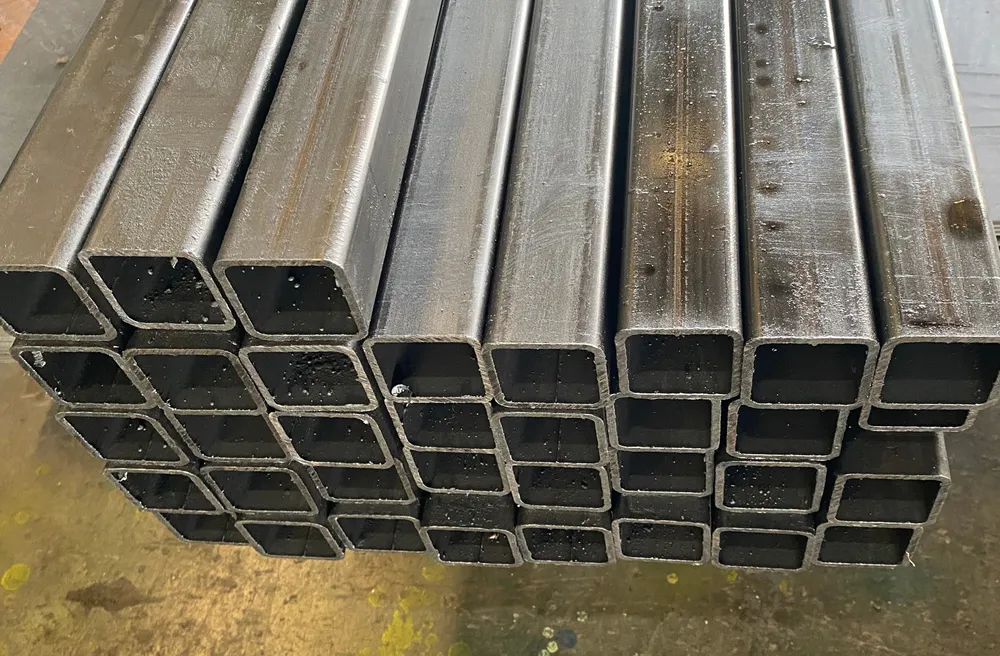
It will come as no surprise that there’s a lot of carbon in high-carbon steel, and it’s exactly that which makes this metal extra strong, hard, brittle, and wear- and corrosion-resistant. It’s not likely to break under pressure, and is considered great value for money. Let’s look at what this steel type is, how it’s made, what its properties are, and how else it is used in industry by many Xometry customers and other designers and engineers.
What is High-Carbon Steel?
Also known as carbon tool steel, or M2, high-carbon steel refers to any steel with a carbon content of over 0.6%. Any lower than that, then it falls into the medium- or low-carbon category. If it’s higher than 1.0%, it belongs to the ultra-high-carbon steel group. This type of steel has a very simple composition: in addition to the 0.60–1.00% carbon, it’s made up of just 98.1–99.1% iron, and 0.30–0.90% manganese.
To learn more, see our full article on M2 Tool Steel.
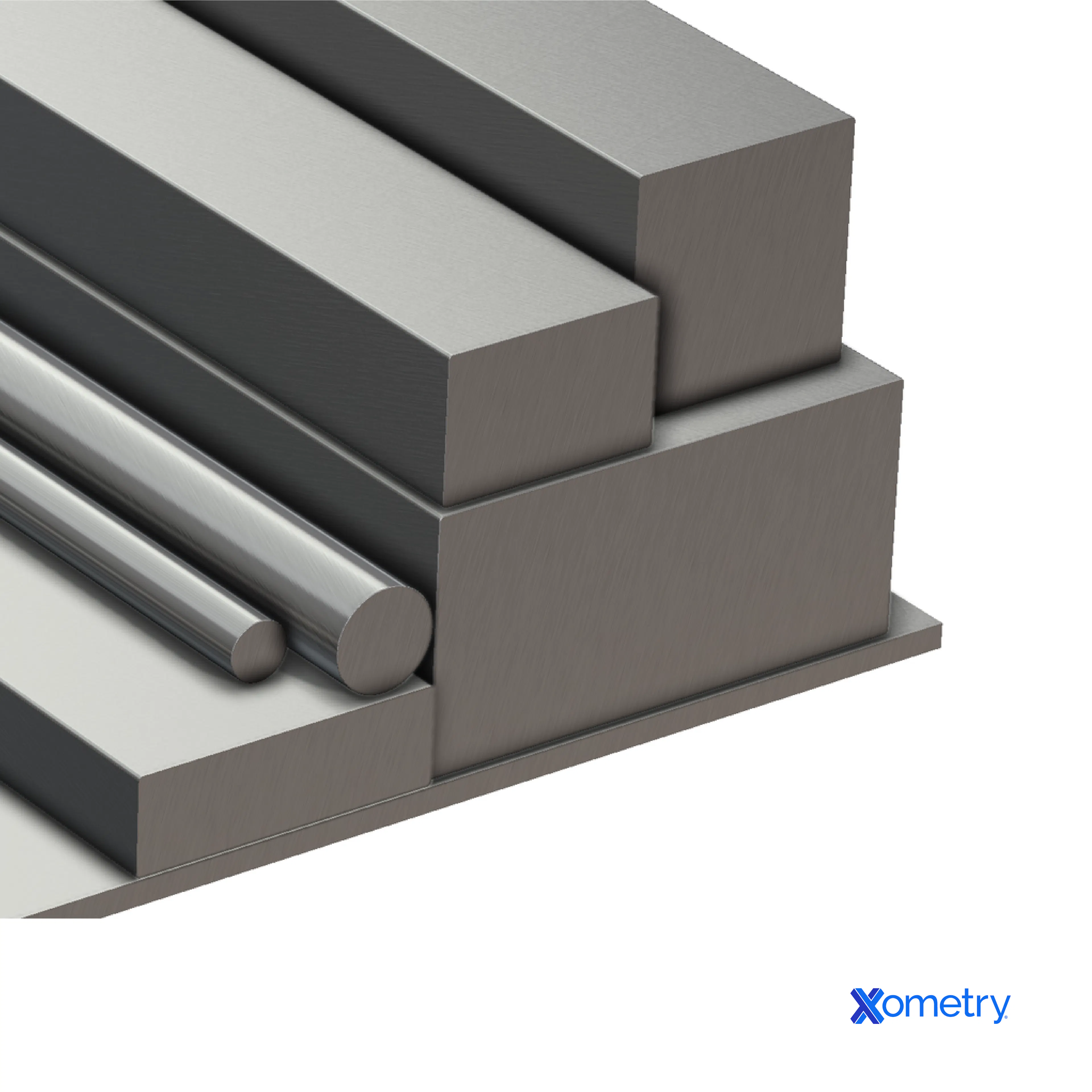
Like other steel types, high-carbon steel is made by melting either recycled steel or pig iron to remove impurities, and then adding the alloying elements before casting or extruding. Molten steel, by nature, dissolves carbon at high temperatures, but will typically release it if it is allowed to cool slowly. So as not to allow the carbon to escape the metal’s lattice structure, the metal is quenched (rapidly cooled) to increase the cooling rate from about 200°C to 1000°C per minute. This retains all the internal stresses in the microstructure—although “internal stress” sounds like a bad thing, it’s not—in this case, it improves the steel’s strength and hardness.
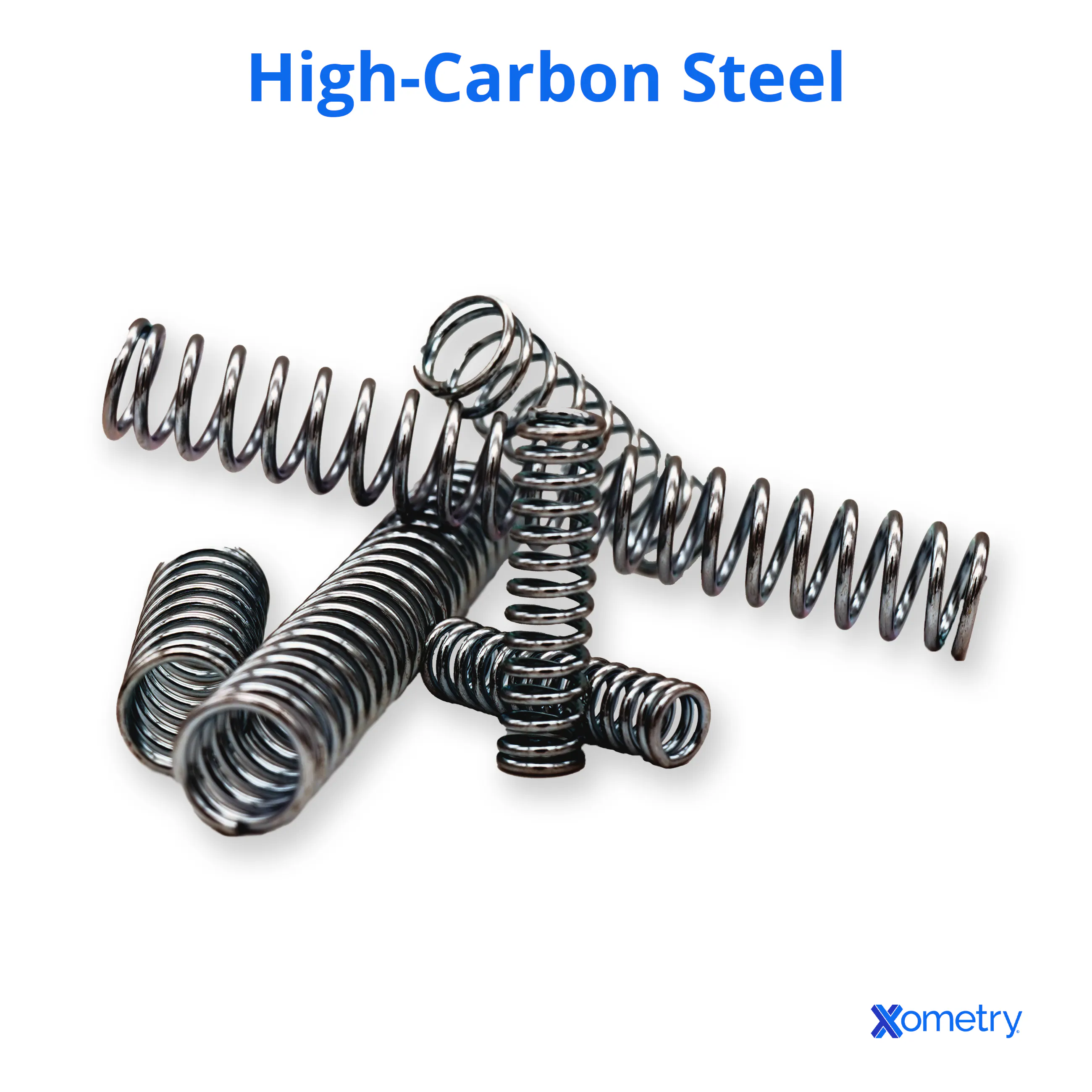
Carbon steel is commonly used to make a wide variety of appliances, toys, tools (i.e. knives, swords, shears, etc.), gear wheels, chains, and hardware like nails, fasteners, drill bits, and springs (pictured below).
Although it’s sometimes confused with stainless steel because they both have a high carbon content, these two steels are quite different. Stainless steel has at least 10.5% chromium in it, while high-carbon steel can have just a little, or none at all. The high chromium in stainless steel makes it corrosion-resistant, and this is perhaps the main differentiating factor as high-carbon steel can rust a lot more easily. While a high carbon content offers this steel an array of benefits (it also has more tensile strength than stainless steel), it also gives it low ductility and malleability, and makes it hard to weld, cut, and form.
How Is High-Carbon Steel Made?
Molten steel, by nature, dissolves carbon at high temperatures but typically releases it if it cools slowly. To create high-carbon steel, manufacturers must prevent steel from releasing carbon as it cools. To accomplish this, the steel is quenched to increase the cooling rate from roughly 200 °C per minute to 1000 °C per minute. The carbon does not have time to escape the metal’s lattice structure, so internal stresses in the microstructure are retained. Internal stresses sound bad, but in this case, they improve the hardness and strength of the steel.
How Does High-Carbon Steel Differ From Stainless Steel?
The difference between high-carbon steel and stainless steel is that stainless steel has at least 10.5% chromium content while high-carbon steel has less (or none at all). Although they both have a high carbon content, the chromium makes stainless steel more corrosion-resistant. High-carbon steel rusts more easily but has better tensile strength.
How Much Does High-Carbon Steel Cost?
High-carbon steel is more expensive than its mild counterparts because it contains so much alloying carbon. However, it is cheaper than stainless steel which has a high alloying content of chromium and molybdenum. The price of high-carbon steel depends on the form, grade, availability, and supplier, but it generally costs $800-1,000 per ton.
Is High-Carbon Steel a High-Alloy Steel?
No, high-carbon steel and high-alloy steel are two different concepts. While carbon is technically an alloying element and high-carbon steel has a significant amount of it, this is not the same as high-alloy steel. The latter term gets applied to steel with high percentages of other alloying elements such as chromium and molybdenum. An example of a high-alloy steel is stainless steel which contains more than 10.5% chromium.
*E.g. 1095 steel has 0.95% carbon and a 45% machinability rating, while grade 1060 steel has 0.6% carbon and a machinability rating of 57%.
To learn more, see our full article on Alloy Steel.
What Are the Different Types of High-Carbon Steel?
The four main high-carbon steel categories are explained below.
1. Alloyed Carbon Steel
Other elements, like chromium, cobalt, manganese, molybdenum, nickel, tungsten, and/or vanadium, are sometimes added to steel to improve its hardness, strength, toughness, heat- and corrosion resistance. These extra ingredients will also raise the material’s price, so it’s typically only done when absolutely necessary. A common example of an alloyed high-carbon steel is stainless steel.
2. Spring Steel
This type has a carbon content of 0.6–1.0%, and it sometimes has varying amounts of other alloying elements. Most importantly, spring steel has silicon which gives it a high yield strength, and makes it flexible—hence the bouncy name.
3. Plain Carbon Steel
As the Plain Jane of steel, this type doesn’t have any other alloying elements (well, none of significance, anyway). It's hard to weld, fails after minimal elongation, and is sensitive to heat treatments, but, on the bright side, it is the cheapest form of high-carbon steel.
4. Tool Steel
Alloyed with tungsten, molybdenum, cobalt, and vanadium, tool steel is extra durable—which is just as well since it’s used to make tools—and it has excellent heat resistance so won’t temper in high temperatures.
What Are the Uses of High-Carbon Steel?
The increased hardness and relatively low price point of high-carbon steel lend themselves to many applications such as those listed below:
- Cutting tools
- Springs
- Knives
- Fasteners
- Masonry nails
- Gear wheels
- Chains
- Pneumatic drill bits
- Shears
Is High-Carbon Steel Good for Knives?
Yes, high-carbon steel is a perfect option for knives. The significant carbon content of this steel makes it tough, durable, and easy to sharpen. The downside is that it’s prone to corrosion. High-carbon steel is often fashioned into machetes and survival knives. Stainless steel is a high-carbon steel competitor when it comes to knives because it resists corrosion, but at the same time, it’s less tough and more expensive.
What Is the Chemical Composition of High-Carbon Steel?
High-carbon steel has a very simple chemical composition. It typically consists of 0.60-1.00% carbon and 0.30-0.90% manganese, with the remaining content being iron (98.1-99.1%). Table 1 lists the chemical composition of high-carbon steel in detail:
Table 1: Chemical Composition of High-Carbon Steel
What Is the Carbon Content of High-Carbon Steel?
The carbon content of high-carbon steel is 0.6-1.0% carbon. Any more than this would make it an ultra-high-carbon steel and any less is a medium-carbon steel. These small differences in carbon content have big impacts on the steel's properties. According to the iron-carbon phase diagram, high-carbon steel austenite, when cooled, will undergo a eutectoid transformation into two phases. It becomes either pearlite + ferrite or pearlite + cementite. Upon cooling, a large amount of the carbon will become trapped in the lattice structure of the steel, pushing apart the iron atoms in the structure and creating internal stresses that make it harder and more brittle.
What Are the Properties of High-Carbon Steel?
Table 2 lists some properties of high-carbon steel:
Table 2: Properties of High-Carbon Steel
What Is the Machinability Rating of High-Carbon Steel?
A high-carbon steel grade such as 1060 steel, which has 0.6% carbon, will have a machinability rating of 57% while 1095 steel, which has 0.95% carbon, has a machinability rating of 45%. The carbon content of steel directly impacts its machinability rating. Steels with 0.2% carbon have the best machinability rating. Steels with less than 0.2% will tear rather than cut while those which contain more than 0.2% get increasingly hard. All high-carbon steels lie well above this 0.2% threshold.
What Are the Characteristics of High-Carbon Steel?
High-carbon steel has many characteristics that make it a desirable material for things such as household appliances, toys, manufacturing tools, automotive parts, and construction products. These characteristics include:
- High strength
- Resistance to wear
- Hardness
- Brittleness
Is High-Carbon Steel the Strongest?
In most contexts, yes, high-carbon steel is the strongest type of carbon steel you’ll usually encounter. It’s notably stronger than stainless, medium-carbon, and low-carbon steel. The greater number of carbon atoms in the lattice structure increases its hardness, strength, and wear resistance. However, certain alloy steels that contain chromium and/or manganese can surpass the strength of high-carbon steel.
Is High-Carbon Steel Rust-Resistant?
No. High-carbon steel does not resist rust to a significant degree, though it does fare better than its low-carbon counterparts. Rust can be prevented in high-carbon steel by proper treatment and maintenance. For example, protective oil or paint coatings or regular cleaning with water or a mild detergent can all help protect the surface from rust and make it more durable.
Can High-Carbon Steel Be Welded?
Yes, high-carbon steel can be welded. However, it is more prone to weld-related cracking than medium-carbon or low-carbon steel. To avoid such cracking, the steel part should undergo a thorough heating process both before and after welding.
Is High-Carbon Steel Corrosion-Resistant?
The answer to this question depends on your perspective. High-carbon steel resists corrosion better than its low- and medium-carbon counterparts. That’s a reason why it is so often employed in pressure tanks and bridges. However, high-carbon steel has nowhere near the degree of corrosion resistance seen in stainless steel. The latter owes its corrosion-resistant properties primarily to its inclusion of at least 10.5% chromium. Although resistance to corrosion does scale with the carbon content, it can’t compare to a high chromium content. It is also important to note that high-carbon steel is particularly vulnerable to corrosion from sulfuric acid or salt water.
Is High-Carbon Steel Brittle?
Yes. High-carbon steel is considered to be brittle in comparison to many other engineering metals. This is due to the large amounts of carbon present. Carbon strengthens the structure and affords it the ability to harden when exposed to heat, but also makes it less weldable and ductile than ordinary steel. All the impurities in high-carbon steel can make it more brittle and prone to fracturing.
What Are the Thermal Properties of High-Carbon Steel?
The thermal properties of high-carbon steel are listed in Table 3 below:
Table 3: Thermal Properties of High-Carbon Steel
What Are the Common Forms of High-Carbon Steel Material?
High-carbon steel comes in quite a few forms, each of which could have a different microstructure and characteristics that would make it better for a certain application than another. They do, however, have a very similar chemical composition. The most common high-carbon steel forms are described below.
Hot-Rolled Steel
The hot-rolling process is done near the recrystallization temperature, something that creates finer grains in the steel’s microstructure that are more prone to dislocation, making this form less strong than others. It also has fewer residual internal stresses which makes it less hard than its cold-rolled counterpart, and, since it shrinks as it cools, its dimensions are rather hard to control. It is, however, a more affordable option thanks to its low energy needs, so it’s used in applications that aren’t too strict on tolerances, like construction and rail.
Cold-Rolled Steel
This form of steel, although less ductile than hot-rolled, is harder with a better surface finish, and more dimensional accuracy. In the cold rolling process, which is done at room temperature, the metal’s grains are elongated to strain-harden the material. Stressing and relieving the steel before use is a must otherwise it could warp. This type is used a lot to make electric motors, water heaters, frying pans, and pressure vessels.
Tempered Steel
Tempering involves reheating the steel to just below its eutectoid point, allowing the carbon to dissolve in the lattice structure, and then quenching it to trap the carbon. Its altered crystal lattice, martensite, makes the steel stronger and harder, which is why you’ll find tempered steel in a lot of construction equipment and tools.
What Are the Equivalents of High-Carbon Steel?
There are many different grades of high-carbon steel which differ mainly in their carbon content, and the names of these steels can be different in various countries. We list some of the equivalent names, using the 1060 grade as an example.
What Are the Advantages of Using High-Carbon Steel?
High-carbon steel has many advantages compared to other steels and is particularly effective for construction materials, automotive components, and tools. Examples of the advantages are:
- High strength
- High hardness
- Low cost
- Unlikely to stress and break under pressure
- Resistance to wear
What Are the Disadvantages of Using High-Carbon Steel?
Whilst high-carbon steel has lots of benefits, the large quantities of carbon within it create some disadvantages as well:
- Susceptible to corrosion
- Poor weldability
- Low ductility and malleability
- Difficult to cut and form
Frequently Asked Questions on High-End Carbon Steel
How Xometry Can Help
We hope you found our article helpful in learning all about high-carbon steel and how it can be used, but for any more information or relevant services, please reach out to one of our representatives. You can also head on over to the Xometry Instant Quoting Engine® for a free, no-obligation quote on dozens of materials.
Disclaimer
The content appearing on this webpage is for informational purposes only. Xometry makes no representation or warranty of any kind, be it expressed or implied, as to the accuracy, completeness, or validity of the information. Any performance parameters, geometric tolerances, specific design features, quality and types of materials, or processes should not be inferred to represent what will be delivered by third-party suppliers or manufacturers through Xometry’s network. Buyers seeking quotes for parts are responsible for defining the specific requirements for those parts. Please refer to our terms and conditions for more information.