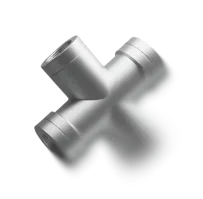
All About 6061 Aluminum Alloy


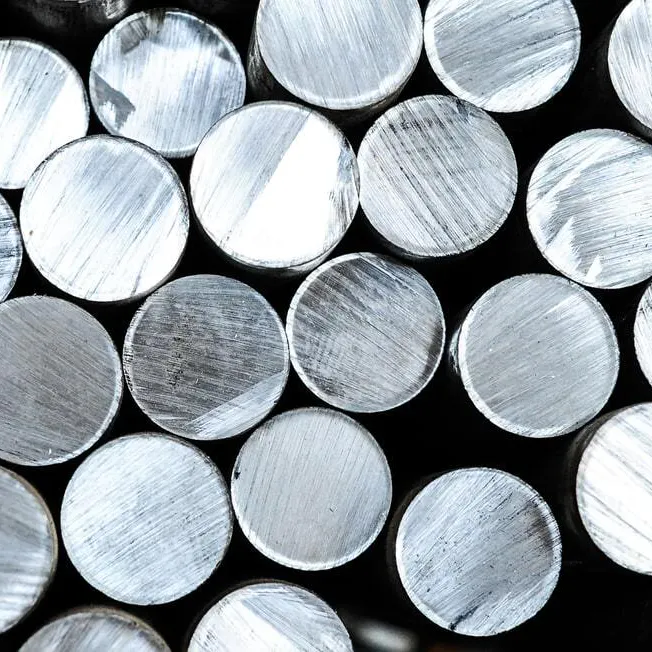
6061 aluminum alloy is a versatile material known for its moderate strength, light weight, corrosion resistance, and machinability, making it suitable for various applications (structural components, aerospace parts, and automotive frames). 6061 aluminum alloy consists of aluminum with magnesium, silicon, copper, and chromium. Magnesium and silicon increase strength through solid solution strengthening and precipitation hardening, while copper slightly improves strength but significantly reduces corrosion resistance; chromium primarily stabilizes grain structure. The alloy's high strength-to-weight ratio makes it ideal for aerospace and automotive applications. Its corrosion resistance, driven by the protective oxide layer, ensures durability in harsh environments, including marine settings. In marine or saltwater environments, anodizing or cladding is typically recommended to improve corrosion resistance. 6061 aluminum is machinable and weldable due to its favorable combination of ductility and alloy composition, making it suitable for precision manufacturing. The alloy is used in aerospace, automotive, marine, and structural industries for components (aircraft frames, vehicle chassis, boat hulls, and structural supports). Its combination of performance, light weight, and durability makes it a top choice for various industrial applications (transportation, construction, and machinery).
What is an Aluminum Alloy?
An aluminum alloy is a metallic material composed of aluminum as the primary element combined with controlled amounts of alloying elements such as magnesium, silicon, copper, or chromium to achieve specific material properties. The aluminum base provides low density and natural oxidation resistance through a stable aluminum oxide layer, while thermal conductivity remains high relative to many structural metals but lower than pure aluminum. Alloying elements produce predictable changes in mechanical strength, corrosion resistance, formability, and machinability through solid solution strengthening and precipitation hardening mechanisms. Magnesium increases strength and corrosion resistance in structural and marine-grade alloys. Silicon improves castability and dimensional stability during solidification in cast aluminum systems. Copper raises tensile strength and hardness in alloys intended for high-load and aerospace-related applications.
Chromium refines grain structure and improves resistance to stress corrosion cracking by stabilizing the microstructure. The controlled combination of aluminum with specific alloying elements enables material engineers to balance weight, strength, durability, and manufacturability for targeted industrial applications. Aluminum alloys support extrusion, rolling, casting, and machining while maintaining an aluminum-rich matrix that undergoes microstructural modification through deformation, solidification, and heat treatment. Aluminum alloy classification reflects compositional intent and processing response rather than arbitrary element mixing, resulting in repeatable material behavior across manufacturing environments. Aluminum alloys remain essential across transportation, construction, packaging, and precision manufacturing because alloying and controlled metallurgy overcome the strength and durability limitations of commercially pure aluminum.
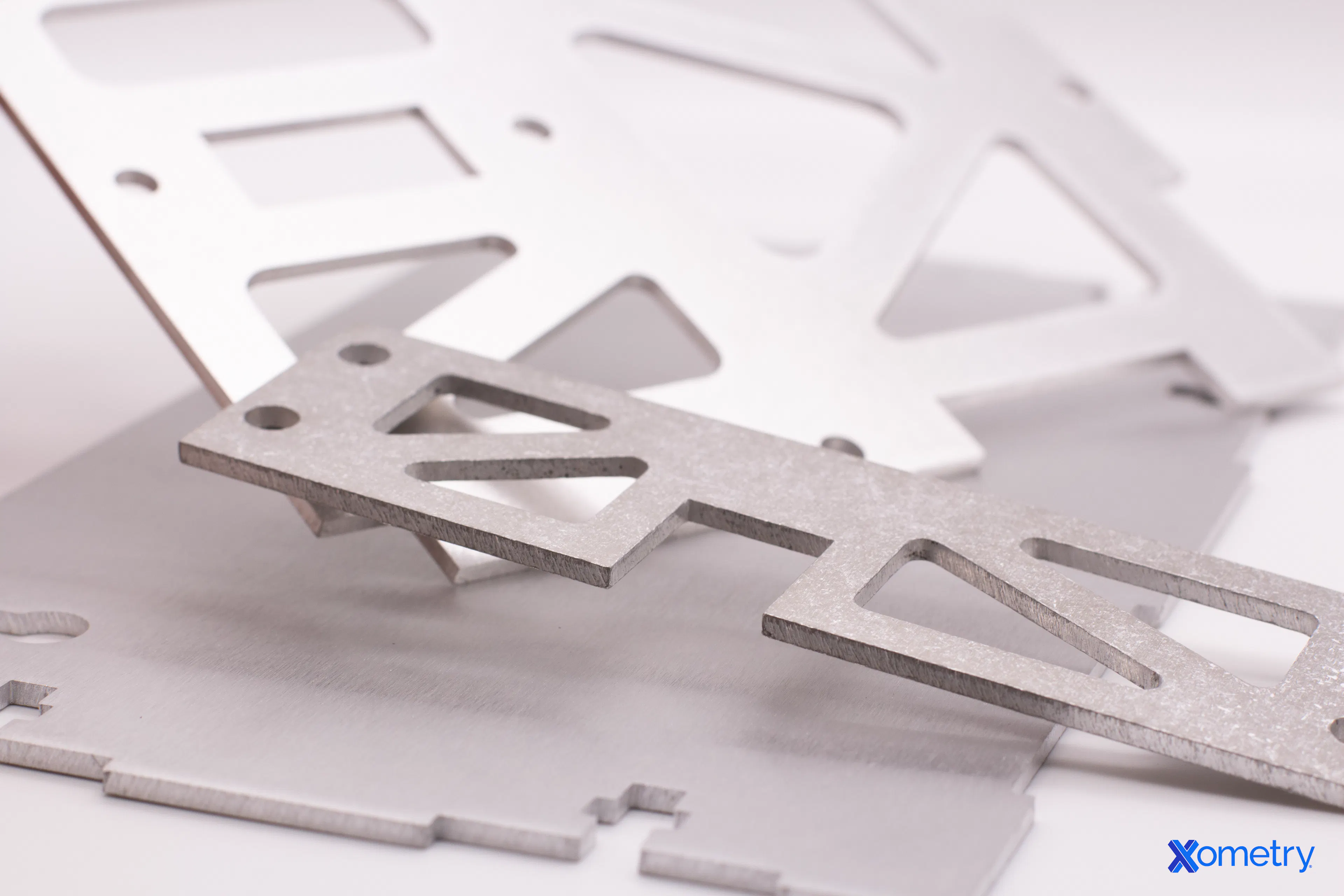
How Are Aluminum Alloys Formed and Classified by Series?
Aluminum alloys are formed and classified by series according to the primary alloying element present in the final chemical composition, which defines grouping logic independent of performance discussion. Aluminum alloys are produced by introducing alloying elements into molten aluminum under controlled temperature and composition conditions. The addition process alters the lattice structure and introduces solute atoms or precipitate phases within the aluminum matrix. Aluminum alloy series classification reflects the dominant alloying element used to define metallurgical behavior. The 1xxx series represents commercially pure aluminum with minimal alloy content. The 2xxx series uses copper to increase strength and fatigue resistance. The 3xxx series relies on manganese to provide moderate strength and improved workability. The 4xxx series incorporates silicon to improve casting behavior and reduce melting temperature. The 5xxx series is non-heat-treatable and gains strength through strain hardening (cold working), not thermal aging. The 6xxx series combines magnesium and silicon to balance strength, corrosion resistance, and extrudability. The 7xxx series centers on zinc to achieve high strength for structural and aerospace-related applications. The series system communicates metallurgical intent, mechanical expectations, and manufacturing compatibility across industrial sectors. Aluminum alloy series classification supports accurate material selection through standardized chemical composition rather than subjective performance claims.
Are Aluminum Alloys Made by Adding Alloying Elements to Pure Aluminum?
Yes, aluminum alloys are made by adding alloying elements to pure aluminum, introduced as examples (magnesium, silicon, copper, zinc), without stating functional outcomes in the opening sentence. Aluminum alloys originate from controlled additions of alloying elements to refined aluminum during the melting and solidification stages. Pure aluminum provides a stable metallic base with predictable thermal and electrical behavior. Alloying elements dissolve into the aluminum matrix or form secondary phases during cooling. The controlled addition process alters grain structure, dislocation movement, and phase distribution. Heat treatment sequences further refine microstructure through solution treatment and aging cycles. The resulting aluminum alloy maintains aluminum as the dominant component while gaining targeted mechanical and chemical characteristics. Alloying concentration levels determine whether strengthening occurs through solid solution effects or precipitation hardening. Industrial production relies on precise compositional control to ensure repeatability across batches. Aluminum alloys reflect engineered metallurgy rather than accidental blending, supporting structural reliability across manufacturing sectors.
What Is the Alloy Composition of 6061 Aluminum?
The alloy composition of 6061 aluminum consists of controlled additions of magnesium, silicon, copper, and chromium to achieve defined metallurgical characteristics. The aluminum base forms the majority of the composition and provides low density and natural oxidation resistance through a stable surface oxide, establishing the baseline behavior associated with the 6061 aluminum composition. Magnesium appears within a specified range of approximately 0.8 to 1.2 percent by weight and contributes to strength through solid solution effects and precipitation hardening response, a key factor within the 6061 alloy composition. Silicon appears at 0.4 to 0.8 percent by weight and supports precipitation reactions during heat treatment. Magnesium and silicon interact to form Mg₂Si precipitates that increase yield strength while maintaining ductility, a defining feature of the 6061 aluminum alloy composition. Copper remains limited at 0.15 to 0.4 percent and increases tensile strength while slightly reducing corrosion resistance relative to copper-free aluminum alloys, a characteristic of the al6061 composition. Chromium remains limited at 0.04 to 0.35 percent and refines grain structure while indirectly supporting resistance to stress corrosion cracking. Iron, zinc, titanium, and manganese remain present only as residual elements within strict compositional limits associated with the aluminum 6061 composition. The controlled balance of alloying elements enables predictable machinability, weldability, and corrosion performance across structural and precision applications.
Which Alloying Elements Define the Chemical Makeup of 6061 Aluminum?
The chemical makeup of 6061 aluminum centers on magnesium and silicon as the defining alloying elements. Magnesium and silicon define the alloy system and distinguish 6061 aluminum from non heat treatable aluminum series. Magnesium contributes strength through solid solution strengthening within the aluminum matrix and participates in precipitation hardening through interaction with silicon. Silicon controls precipitation behavior during thermal processing cycles by enabling the formation of strengthening phases. Magnesium and silicon combine to form Mg₂Si precipitates during aging treatments. Mg₂Si precipitation enables controlled hardening while maintaining good corrosion resistance relative to many high-strength aluminum alloys under common temper conditions. Copper appears in limited quantities and supplements strength without dominating the alloy system. Chromium refines grain structure and limits grain growth, indirectly supporting resistance to stress-related corrosion mechanisms. The elemental balance maintains consistency during extrusion, rolling, and machining operations. Alloy designation follows elemental intent rather than application-based labeling. The chemical definition of 6061 aluminum reflects predictable metallurgy governed by the interaction of magnesium and silicon.
Does 6061 Aluminum Contain Magnesium and Silicon as Primary Elements?
Yes, 6061 aluminum contains magnesium and silicon as the primary alloying elements intentionally introduced during alloying. Magnesium functions as a principal strength contributor through solid solution strengthening mechanisms. Silicon functions as a principal element controlling precipitation behavior during aging cycles. Magnesium and silicon combine to form Mg₂Si precipitates, which govern the heat-treatable response of the alloy. Mg₂Si precipitation increases yield strength while preserving formability across common fabrication processes. The aluminum matrix retains baseline corrosion resistance through oxide layer formation, while alloying elements influence corrosion behavior under specific conditions. Copper and chromium remain secondary additions that supplement strength and structural stability without dominating the alloy system. The elemental balance limits susceptibility to galvanic corrosion under typical service environments. The controlled interaction between magnesium and silicon enables consistent mechanical performance across structural applications. The composition strategy balances strength, corrosion stability, and fabrication behavior.
6061 aluminum is best understood as a general-purpose engineering alloy rather than a specialized extreme-performance material. Its value lies in the balance it achieves between strength, weight, corrosion resistance, and manufacturability, rather than dominance in any single category. This balance explains its widespread use across aerospace, automotive, marine, construction, and industrial sectors. The article reflects how predictable metallurgy and standardized alloy systems enable reliable material selection. Overall, 6061 aluminum represents a practical engineering compromise that prioritizes versatility and consistency over maximum strength or niche optimization.
What Are the Characteristics of 6061 Aluminum?
The characteristics of 6061 Aluminum are listed below.
- Strength to Weight Ratio: 6061 aluminum delivers a favorable strength-to-weight ratio through magnesium and silicon alloying. The balance supports load-bearing use without excessive material thickness. The characteristic supports structural efficiency in engineered components.
- Corrosion Resistance: 6061 aluminum maintains good resistance to atmospheric corrosion through a stable aluminum oxide layer. Magnesium and silicon limit susceptibility to galvanic corrosion under typical service conditions. The characteristic supports long-term durability in exposed environments.
- Heat Treatability: 6061 aluminum responds to solution heat treatment and artificial aging through Mg₂Si precipitation. The heat treatment process increases yield strength without severe loss of ductility. The characteristic defines the alloy as part of the heat-treatable aluminum series.
- Machinability: 6061 aluminum offers stable chip formation and predictable cutting behavior during machining operations. Controlled alloying limits tool wear and surface tearing. The characteristic supports precision manufacturing requirements.
- Weldability: 6061 aluminum supports fusion welding through controlled alloy composition and relatively low crack sensitivity. Post-weld heat treatment partially restores the mechanical properties affected during welding. The characteristic enables structural joining with standard aluminum filler materials.
- Formability: 6061 aluminum sustains bending, rolling, and extrusion processes without brittle fracture. Ductility remains stable across common fabrication temperatures. The characteristic supports versatile shaping across industrial applications.
How Do Mechanical Characteristics Influence 6061 Aluminum Performance?
Mechanical characteristics influence 6061 aluminum performance through defined responses to applied stress and deformation. Mechanical characteristics determine load capability by establishing limits on tensile strength, yield strength, fatigue resistance, and elastic behavior. Tensile strength defines the maximum stress the alloy sustains before fracture under axial loading. Yield strength identifies the stress level at which permanent deformation begins, guiding structural design safety margins. Elastic modulus governs stiffness and controls deflection under service loads. Ductility allows controlled plastic deformation before fracture, supporting forming, bending, and energy absorption during impact events. The interaction between strength and ductility produces a balanced mechanical profile rather than extreme hardness or brittleness. Heat treatment conditions regulate Mg₂Si precipitation, which increases yield strength and hardness while retaining usable levels of ductility. Fatigue resistance supports repeated loading cycles common in structural and transportation environments. Mechanical stability under welded conditions supports joint integrity, though localized strength reduction occurs in heat-affected zones. The combined mechanical profile supports structural reliability across static and dynamic load environments. The balance of strength, ductility, stiffness, and fatigue behavior explains suitability across engineered structures.
How do physical characteristics influence 6061 Aluminum performance? Physical characteristics influence 6061 aluminum performance through density, thermal conductivity, and oxidation behavior that govern environmental and thermal response. Low density supports weight-efficient structural design, while dimensional stability is governed by elastic modulus and thermal expansion behavior. Thermal conductivity enables effective heat dissipation during machining and welding, limiting localized thermal stress. A naturally forming aluminum oxide layer protects the surface from oxidation and environmental degradation. Thermal expansion remains predictable, supporting dimensional control under temperature variation. Surface characteristics produced through controlled processing support finishing operations and long-term exposure performance. The combined physical characteristics support reliable performance in structural and fabricated applications.
Is 6061 Aluminum Known for a Balanced Strength to Weight Ratio?
Yes, 6061 aluminum is known for a balanced strength-to-weight ratio derived from moderate tensile and yield strength combined with low material density. The aluminum matrix provides low weight, while magnesium and silicon alloying increase strength through controlled precipitation mechanisms. Yield strength supports load-bearing performance when paired with appropriate structural design. Tensile strength resists fracture under applied stress. Ductility preserves formability during bending, machining, and fabrication without brittle failure. The material avoids excessive hardness that restricts joining or machining processes. Structural efficiency results from reduced weight relative to steel while maintaining sufficient mechanical capacity. Welded joints retain acceptable mechanical stability, though localized strength reduction occurs in heat-affected zones. The strength-to-weight balance supports repeated service loads across transportation and structural applications.
What Are the Material Properties of 6061 Aluminum?
The material properties of 6061 aluminum define performance through mechanical, thermal, and physical characteristics. Tensile strength typically measures around 290 MPa in common heat-treated tempers, with variation depending on product form and processing condition. Yield strength measures near 240 MPa in heat-treated conditions, influenced by temper and thermal history. Hardness measures near 95 Brinell, providing wear resistance without excessive brittleness. Young’s modulus remains near 69 GPa, ensuring predictable stiffness under applied load. Density measures 2.7 grams per cubic centimeter, supporting lightweight structural design. Thermal conductivity averages about 167 watts per meter kelvin, supporting effective heat dissipation during thermal exposure. Electrical conductivity remains moderate relative to pure aluminum, suitable for limited conductive and grounding applications. Corrosion resistance derives from the formation of a stable aluminum oxide layer. The combined property profile defines predictable behavior across fabrication and service environments.
Which Mechanical and Electrical Properties Define 6061 Aluminum?
The mechanical and electrical properties that define 6061 aluminum reflect moderate strength, moderate electrical conductivity, and stable machinability. Mechanical strength in 6061 aluminum derives from magnesium and silicon alloying, producing reliable tensile and yield limits suitable for load-bearing structures. Yield strength controls permanent deformation under applied stress, while tensile strength governs resistance to fracture during service conditions. Ductility permits plastic deformation during forming and bending without crack initiation, supporting fabrication efficiency. Hardness remains controlled, limiting tool wear while preserving surface integrity during machining operations. Young’s modulus provides predictable stiffness, restricting deflection under applied loads. Electrical conductivity remains lower than pure aluminum yet sufficient for grounding, conductive framing, and enclosure roles. Thermal stability supports dimensional and structural consistency across temperature variation. The alloy structure avoids brittle behavior, preserving machinability during milling, drilling, and turning. The combined mechanical and electrical profile supports structural reliability without sacrificing fabrication flexibility. The balance of moderate strength, workable electrical conductivity, and machinability positions the alloy for broad engineering and industrial use.
Does 6061 Aluminum Offer Good Corrosion Resistance in Industrial Environments?
Yes, 6061 aluminum offers good corrosion resistance in industrial environments (structural frames, exterior panels). Corrosion resistance arises from a naturally forming aluminum oxide layer that adheres tightly to the metal surface. The oxide layer acts as a barrier that limits further oxidation when exposed to air and moisture. Magnesium and silicon do not destabilize the oxide layer; corrosion resistance primarily results from aluminum-rich composition and low copper content, not active enhancement by Mg or Si. The alloy composition avoids high copper content, which reduces susceptibility to localized corrosion. Surface integrity remains stable under rain, humidity, and temperature variation encountered in outdoor settings. Industrial atmospheres containing mild chemicals or pollutants show limited surface degradation under normal exposure conditions. Heat-treated tempers retain corrosion resistance due to stable microstructural phases. Welded regions generally maintain acceptable corrosion resistance, but the heat-affected zone may be more susceptible if not properly cleaned, stress-relieved, or surface-treated. Finishing processes like anodizing further strengthen surface protection without altering base metallurgy. The balance of alloy chemistry and surface behavior supports long service life under exterior exposure. The protective oxide mechanism and controlled alloying explain suitability across outdoor and industrial applications.

Where Is 6061 Aluminum Alloy Used?
6061 Aluminum alloy is used in common applications listed below.
- Aerospace Components: 6061 aluminum alloy supports aircraft interiors, seat frames, and non-primary structural members. Moderate strength combined with low density supports weight-controlled assemblies. Corrosion resistance supports long service life under controlled interior and environmental exposure conditions.
- Automotive Structures: 6061 aluminum alloy appears in vehicle frames, chassis components, and structural automotive parts. The alloy meets strength requirements without excessive mass. Fabrication compatibility supports welding and machining in production environments.
- Marine Applications: 6061 aluminum alloy is suitable for marine-adjacent and intermittently exposed components, but it is not considered a true marine-grade alloy for continuous saltwater immersion.
- Structural Construction: 6061 aluminum alloy supports beams, frames, trusses, and architectural supports. Strength and formability enable extrusion into complex profiles. Dimensional stability supports long-term structural alignment.
- Industrial Components: 6061 aluminum alloy supports machine frames, tooling plates, and equipment housings. Machinability supports precision manufacturing processes. Material consistency supports repeatable industrial output.
Which Industries Commonly Rely on 6061 Aluminum for Structural Components?
Industries that commonly rely on 6061 aluminum for structural components include aerospace, automotive, and construction sectors. Aerospace manufacturing relies on the alloy for secondary structural components where weight control and reliability remain critical. Automotive production applies the alloy to frames and support members requiring balanced strength and fabrication flexibility. Construction projects use the alloy for structural framing, architectural systems, and engineered load-bearing applications. The alloy maintains predictable mechanical behavior across welded and machined assemblies. Corrosion resistance supports exterior exposure without rapid material degradation. Cost control supports large-scale structural use by balancing performance and material expense. Fabrication compatibility supports extrusion, cutting, and joining across multiple industries. Structural reliability under static and moderate dynamic loads supports long-term service confidence. Industry reliance reflects trust in material consistency and balanced performance across demanding environments.
Is 6061 Aluminum Widely Used in Aerospace and Automotive Applications?
Yes, 6061 aluminum is widely used in aerospace and automotive applications due to its balance of strength, machinability, and corrosion resistance. However, it is not used in primary, fatigue-critical load paths in aerospace, such as wings, fuselage skins, and spars, because these components require materials with higher strength and fatigue resistance. 6061 aluminum is used for non-critical components, where weight reduction, corrosion resistance, and machinability are more important than maximum strength. This makes it ideal for structural frames, vehicle parts, and other less load-bearing components in both industries.
Is 6061 Aluminum Good for Welding?
Yes, 6061 aluminum is considered weldable due to its controlled magnesium and silicon content. The alloy exhibits low cracking susceptibility during fusion welding processes. Fusion welding maintains joint integrity when appropriate surface preparation, filler selection, and process control are applied. Heat-affected zones retain acceptable mechanical stability despite localized strength reduction after welding. Post-weld heat treatment can partially restore strength lost during thermal exposure, depending on processing conditions. Welded joints support structural loads without brittle fracture under proper design assumptions. Compatibility with common aluminum filler materials simplifies fabrication workflows. Dimensional stability supports accurate alignment during welding operations. The alloy supports repeatable weld quality across fabrication environments. The combination of weldability and balanced mechanical behavior explains frequent use in fabricated aluminum structures.
How Does 6061 Aluminum Compare to Other Aluminum Alloys?
6061 aluminum compares to other aluminum alloys through versatility rather than extreme performance. The alloy provides higher strength than non-heat-treatable aluminum series while remaining easier to fabricate than high-strength aerospace grades. Corrosion resistance exceeds that of copper-rich aluminum alloys, which typically exhibit reduced corrosion performance. Machinability remains better than harder aluminum alloys that accelerate tool wear. Weldability remains superior to high strength aluminum series with greater cracking susceptibility. Cost efficiency supports broader industrial adoption compared to premium aluminum grades. Mechanical balance supports structural use without requiring excessive material strength margins. The alloy avoids specialization toward a single performance attribute. The balanced combination of strength, corrosion resistance, machinability, and weldability positions the alloy as a dependable choice across multiple industries.
What Are the Key Differences Between 6061 and 7075 Aluminum Alloys?
The key differences between 6061 and 7075 aluminum alloys involve strength level, corrosion resistance, weldability, and application focus. 7075 aluminum delivers substantially higher tensile and yield strength due to zinc as the primary alloying element. The higher strength profile supports aerospace components subjected to high stress loading. Corrosion resistance in 7075 aluminum remains lower because zinc-rich phases increase susceptibility to stress corrosion cracking. Weldability in 7075 aluminum remains limited due to cracking sensitivity and strength loss in heat-affected zones.
6061 aluminum provides moderate strength through magnesium and silicon alloying rather than zinc. Corrosion resistance in 6061 aluminum remains higher due to alloy chemistry that limits susceptibility to stress corrosion and galvanic effects. Weldability in 6061 aluminum remains strong, supporting fusion welding with low cracking risk. Fabrication flexibility favors 6061 aluminum across machining, extrusion, and joining processes. Cost efficiency favors 6061 aluminum for general structural use. Application selection depends on prioritizing strength versus fabrication capability and environmental exposure. High-stress aerospace components favor 7075 aluminum alloy, while structural, transportation, and industrial components favor 6061 aluminum. The contrast shows that application requirements guide alloy selection rather than absolute material superiority.
Is 6061 Aluminum the Most Versatile Among Common Aluminum Alloys?
Yes, 6061 aluminum is the most versatile across common aluminum alloys due to a balanced combination of mechanical strength, corrosion resistance, weldability, and machinability within a single alloy system. Moderate strength supports structural loading without excessive material thickness. Corrosion resistance supports outdoor and industrial exposure under service conditions, with surface treatments applied when required. Weldability supports fabricated assemblies and structural frames with consistent joint integrity. Machinability supports precision manufacturing without excessive tool wear. Heat treatability allows strength adjustment through temper selection. Cost efficiency supports broad adoption across industries without premium pricing constraints. Aerospace, automotive, marine, construction, and industrial sectors rely on the alloy for a wide range of non-primary and structural component types. Performance trade-offs remain limited compared to specialized high-strength or corrosion-focused aluminum alloys. The balanced property profile supports broad engineering use and explains widespread classification as a versatile structural aluminum alloy.
How Strong Is 6061 Aluminum?
6061 aluminum is a moderately strong, heat-treatable alloy suitable for structural frames and secondary aerospace components. The alloy exhibits moderate to high strength derived from magnesium and silicon alloying within an aluminum-dominant matrix. Tensile strength measures near 290 MPa in the T6 temper, supporting resistance to fracture under applied loads. Yield strength typically measures near 240 MPa, defining the stress level at which permanent deformation begins. The balance between tensile and yield strength supports predictable structural behavior under static and moderate dynamic loading. Ductility remains sufficient to permit forming and fabrication without brittle failure. The alloy maintains acceptable strength stability across welded and machined sections, though localized strength reduction occurs in heat-affected zones. Low density near 2.7 grams per cubic centimeter supports weight efficiency critical to transportation and aerospace interior design. Aerospace suitability derives from strength consistency, corrosion resistance, and fabrication compatibility rather than extreme strength specialization. Structural applications benefit from reliable load capacity without excessive mass accumulation. The combination of mechanical strength, thermal stability, and weight efficiency explains widespread selection across structural and secondary aerospace uses.
How Does the Strength of 6061 Aluminum Compare to Other Aluminum Grades?
The strength of 6061 aluminum compares to other aluminum grades through a moderate performance range rather than extreme positioning. 6061 aluminum delivers higher strength than 3000 series aluminum alloys that rely on manganese for moderate strengthening. The magnesium-silicon alloy system in 6061 aluminum supports a heat treatment response that is absent in non-heat-treatable grades. Tensile and yield strength exceed levels typical of 3000 series alloys, expanding structural capability. Strength remains lower than that of 7000 series aluminum alloys that use zinc to achieve high strength for aerospace structures. The lower strength relative to 7000 series aluminum corresponds with improved weldability and corrosion resistance due to alloy chemistry. Fabrication flexibility exceeds that of higher-strength grades that exhibit greater cracking sensitivity. Cost control remains favorable compared to premium aerospace-focused alloys. Mechanical balance supports multipurpose structural use rather than specialization for a single application. The comparative position places 6061 aluminum above general-purpose aluminum alloys and below high-strength aerospace grades. The balanced strength profile supports broad industrial adoption while maintaining structural reliability.
Can 6061 Aluminum Be Heat Treated to Increase Its Strength?
Yes, 6061 aluminum can be heat-treated to increase its strength through controlled thermal processing. Heat treatment promotes Mg₂Si precipitation within the aluminum matrix, which raises yield and tensile strength. The T6 temper results from solution heat treatment followed by artificial aging and represents a common strengthened condition. Yield strength and hardness increase relative to annealed states while ductility remains sufficient for fabrication. Structural rigidity improves through refined microstructural phases formed during aging. Heat-treated 6061 aluminum retains good corrosion resistance through stable oxide formation, with performance influenced by temper and service environment. Welded assemblies regain partial strength after post-weld heat treatment, depending on the thermal process applied. The ability to increase strength through heat treatment expands structural and engineering use across transportation and industrial applications.
How Does 6061 Aluminum Perform Compared to Carbon Steel?
6061 aluminum performs differently from carbon steel by providing lower weight, moderate strength, and higher inherent corrosion resistance. 6061 aluminum weighs significantly less than carbon steel, with a density of 2.7 grams per cubic centimeter compared to approximately 7.8 grams per cubic centimeter for carbon steel. Reduced density supports weight-sensitive structural design and improved transportation efficiency. Carbon steel delivers higher tensile and yield strength, supporting heavy load-bearing applications. The strength advantage permits thinner sections under high-stress conditions. 6061 aluminum resists corrosion through a naturally forming aluminum oxide layer that protects exposed surfaces. Carbon steel requires coatings or surface treatments to limit oxidation and rust formation. Fabrication behavior differs, with 6061 aluminum providing good machinability and weldability using aluminum-specific processes, while Carbon Steel (CS) relies on grade-dependent fabrication methods. Application selection depends on prioritizing weight reduction versus maximum strength requirements. Structural systems emphasizing reduced mass favor aluminum, while heavy industrial frameworks prioritize steel. Performance comparison reflects functional priorities rather than inherent material superiority.
What Advantages or Trade-Offs Exist Between 6061 Aluminum and Stainless Steel?
Advantages and trade-offs exist between 6061 aluminum and stainless steel center on weight, strength, corrosion behavior, and thermal performance. 6061 aluminum provides substantially lower weight than stainless steel, supporting mobility and energy efficiency. Stainless steel delivers higher tensile strength and superior resistance to mechanical wear. Heat resistance favors stainless steel due to its higher melting temperature and greater strength retention under elevated thermal exposure. Corrosion resistance differs by mechanism, as aluminum relies on oxide layer formation while stainless steel relies on chromium-based passivation. Fabrication efficiency often favors aluminum due to lower cutting forces and easier forming compared to many stainless-steel grades. Durability in high-temperature or abrasive environments is supported by Stainless Steel (SS). Cost structure favors aluminum for large-volume structural use due to lower material weight and processing demands. The trade-off balances reduced mass against higher durability and heat tolerance. Material selection reflects performance priorities tied to operating conditions.
Is 6061 Aluminum Lighter Than Stainless Steel?
Yes, 6061 aluminum is lighter than stainless steel due to its lower material density. 6061 aluminum density remains near 2.7 grams per cubic centimeter. Stainless steel density remains near 7.9 grams per cubic centimeter. The density difference reduces component weight by approximately 65 percent under equivalent volume conditions. Reduced mass supports improved fuel efficiency and handling in transportation systems. Structural assemblies benefit from easier installation and lower support requirements. Weight reduction improves efficiency while maintaining structural reliability when designs account for material strength differences. The density advantage explains frequent aluminum selection in weight-sensitive designs.
How Do I Identify My Grade of Aluminum?
Identifying your grade of Aluminum by following the three steps relies on a structured evaluation of processing conditions, chemical composition, and mechanical performance data. First, review the temper designation, since temper markings indicate processing condition and expected material properties. The T6 temper reflects solution heat treatment followed by artificial aging to achieve higher strength. The T651 temper reflects stress relief applied after heat treatment to improve dimensional stability. The T4 temper reflects solution heat treatment followed by natural aging, which favors formability. Second, confirm chemical composition through elemental analysis to determine alloy series and grade. Spectrometer testing identifies key alloying elements and distinguishes materials with similar visual appearances. Lastly, compare mechanical properties against published specifications. Tensile strength, yield strength, and hardness values validate the aluminum grade when matched to standardized reference data.
What Testing Methods Are Used to Determine Aluminum Alloy Grades?
Testing methods used to determine aluminum alloy grades are based on chemical analysis and mechanical evaluation. Chemical testing identifies alloy grade by measuring elemental composition using methods like optical emission spectroscopy, which detects key elements and compares them against alloy specifications. Mechanical testing confirms consistency with alloy grade and temper by measuring strength and deformation behavior, typically through tensile and hardness tests. The methods validate the alloy and temper through published property ranges. Combining chemical and mechanical testing eliminates uncertainties due to surface finish, fabrication history, or supplier labeling, providing reliable identification for engineering, structural, and compliance applications.
Can Material Markings Be Used to Identify Aluminum Grades Accurately?
Yes, material markings can be used to identify aluminum grades accurately, but verification is necessary to ensure accuracy. Markings indicate alloy designation and temper condition, providing an initial reference, but may lack detail on the full processing history. Stamped or labeled identifiers are derived from mill documentation and follow standardized nomenclature. However, markings alone present limitations as surface abrasion, cutting, or reprocessing can remove or alter identification. Supply chain handling introduces mislabeling risk through mixed inventory or reused tags. Visual confirmation lacks compositional certainty. Testing confirms alloy properties through chemical and mechanical verification. Spectroscopy validates elemental composition independently of labeling, while mechanical testing aligns strength and hardness with specified temper conditions. Verification ensures the correct alloy is used, particularly in structural or safety-critical applications. Markings provide guidance, while testing confirms identity and performance suitability.
What Is the Operating Temperature Range for 6061 Aluminum?
The operating temperature range for 6061 Aluminum is suitable for continuous service temperatures up to 150°C, making it ideal for moderate thermal conditions in structural and industrial applications. Mechanical properties remain stable only up to approximately 120–150 °C for sustained service, with measurable degradation above this range. Strength reduction begins as temperature increases, primarily due to the softening of precipitation-hardened phases. Prolonged exposure above 150°C accelerates the loss of yield strength and hardness. Thermal conductivity supports heat dissipation and limits localized overheating during service. Melting occurs near 582°C, defining the absolute thermal limits rather than usable service conditions. Structural design relies on conservative operating ranges to preserve strength and dimensional stability. The operating range reflects suitability for moderate heat environments rather than sustained high-temperature applications.
How Does Temperature Exposure Affect the Mechanical Properties of 6061 Aluminum?
Temperature exposure affects the mechanical properties of 6061 aluminum by reducing strength and altering the microstructure. Elevated temperature reduces yield and tensile strength due to the softening of Mg₂Si precipitates, which weakens the material. Heat exposure at moderate aging temperatures enables precipitate formation, but excessive or prolonged exposure causes precipitate coarsening or dissolution, reducing strength. Elastic modulus remains relatively stable, while resistance to plastic deformation declines. Prolonged exposure accelerates over-aging, which lowers hardness and load-bearing capacity. Ductility increases as strength decreases, which alters the material’s deformation behavior under stress, making it more prone to plastic deformation. Welded regions experience greater sensitivity due to prior thermal cycling. Low-temperature exposure preserves strength and stiffness without embrittlement. Mechanical performance remains predictable within recommended operating ranges. Temperature limits define application boundaries where structural reliability remains intact.
Can 6061 Aluminum Maintain Strength at Elevated Temperatures?
No, 6061 aluminum cannot maintain its full strength at elevated temperatures due to the reduction in precipitation hardening effectiveness. Strength decreases as temperature rises primarily due to the softening of Mg₂Si precipitates, which reduces the alloy's strength. Yield strength reduction limits load capacity under sustained heat exposure, and hardness declines alongside tensile performance. Alternative aluminum alloys, such as the 7xxx-series aluminum retains higher room-temperature strength, but it also loses strength rapidly at elevated temperatures and is not suitable for sustained high-temperature service. Alloy selection shifts toward materials for thermal stability rather than lightweight efficiency. 6061 aluminum remains suitable for moderate temperature environments rather than continuous high-heat service.
What Are the Things To Consider When Choosing an Aluminum Grade?
The things to consider when choosing an aluminum grade are listed in the five steps below.
- Evaluate strength requirements. Consider both tensile and yield strength to determine the material’s suitability for the application. Select an alloy that provides sufficient strength to meet load-bearing and stress conditions.
- Assess corrosion resistance. Evaluate the potential for specific types of corrosion, such as pitting, galvanic, or stress corrosion cracking, based on environmental exposure. Select an alloy with the appropriate corrosion resistance for marine, outdoor, or industrial environments.
- Consider machinability. Assess the alloy’s hardness and chip-forming behavior; assess formability separately based on ductility and toughness.
- Check heat treatment compatibility only if increased strength is required; non-heat-treatable alloys may be preferred for corrosion resistance or weldability.
- Understand application requirements. Review specific operational conditions such as temperature range, load capacity, and environmental exposure. Choose an alloy that meets these demands while maintaining essential material properties, such as strength, corrosion resistance, and durability.
- Evaluate cost, availability, and supply-chain consistency to ensure economic and logistical feasibility.
Which Performance and Application Factors Influence Aluminum Grade Selection?
Strength, weight, corrosion resistance, and cost are important performance and application factors that influence aluminum grade selection. Strength, including tensile and yield strength, determines the alloy's ability to bear loads without failure, making it essential for structural and mechanical applications. Weight plays a significant role in industries (aerospace and transportation), where reducing mass directly improves fuel efficiency, handling, and performance. Corrosion resistance is crucial for applications exposed to harsh environments (marine or industrial settings), where factors (moisture, salt, and chemicals) accelerate corrosion. Cost influences the production budget, making it an important consideration when balancing performance needs with economic constraints in large-scale manufacturing. Application requirements define the priority of these factors, as high-strength alloys may be needed for structural integrity, while lightweight materials are selected for improved energy efficiency. No single alloy excels in all performance factors, so it’s necessary to prioritize strength, weight, corrosion resistance, and cost based on the specific needs of each application.
Cost factors influencing aluminum grade selection include raw material costs, processing costs, alloy availability, and lifecycle costs, which must be balanced with performance requirements. Raw material costs vary depending on the alloying elements used, with elements like copper, zinc, and rare metals increasing the cost of specific alloys. Processing costs depend on the alloy's machinability, fabrication needs, and the complexity of processes such as welding, forming, or machining. Availability affects cost, with more commonly produced alloys being cheaper, while rarer or specialty alloys may incur higher costs due to limited production and longer lead times. Lifecycle costs, including maintenance, replacement, and long-term durability, must be considered, particularly for alloys exposed to harsh environments that may require more frequent maintenance or replacement. Balancing these factors with performance requirements ensures both cost-effectiveness and material suitability for the intended application.
Should Corrosion Resistance Be Considered When Selecting an Aluminum Grade?
Yes, corrosion resistance should be considered when selecting an aluminum grade. Environmental exposure, such as exposure to moisture, salt, or chemicals, directly impacts the material's lifespan by accelerating corrosion. Different environments promote different corrosion mechanisms, and aluminum alloy resistance varies by corrosion type (pitting, galvanic, stress corrosion cracking). leading to premature failure if the aluminum grade lacks adequate resistance. Aluminum grades with higher corrosion resistance are typically magnesium-alloyed (5xxx series) or magnesium–silicon alloys (6xxx series); silicon alone does not significantly improve corrosion resistance. Selecting an aluminum grade with adequate corrosion resistance ensures long-term durability in applications exposed to harsh conditions, reducing maintenance costs and preventing premature failure.
Summary
Xometry provides a wide range of manufacturing capabilities including CNC machining, 3D printing, injection molding, laser cutting, and sheet metal fabrication. Get your instant quote today.
Disclaimer
The content appearing on this webpage is for informational purposes only. Xometry makes no representation or warranty of any kind, be it expressed or implied, as to the accuracy, completeness, or validity of the information. Any performance parameters, geometric tolerances, specific design features, quality and types of materials, or processes should not be inferred to represent what will be delivered by third-party suppliers or manufacturers through Xometry’s network. Buyers seeking quotes for parts are responsible for defining the specific requirements for those parts. Please refer to our terms and conditions for more information.