Carbon Steel (CS): Meaning, Properties, Uses


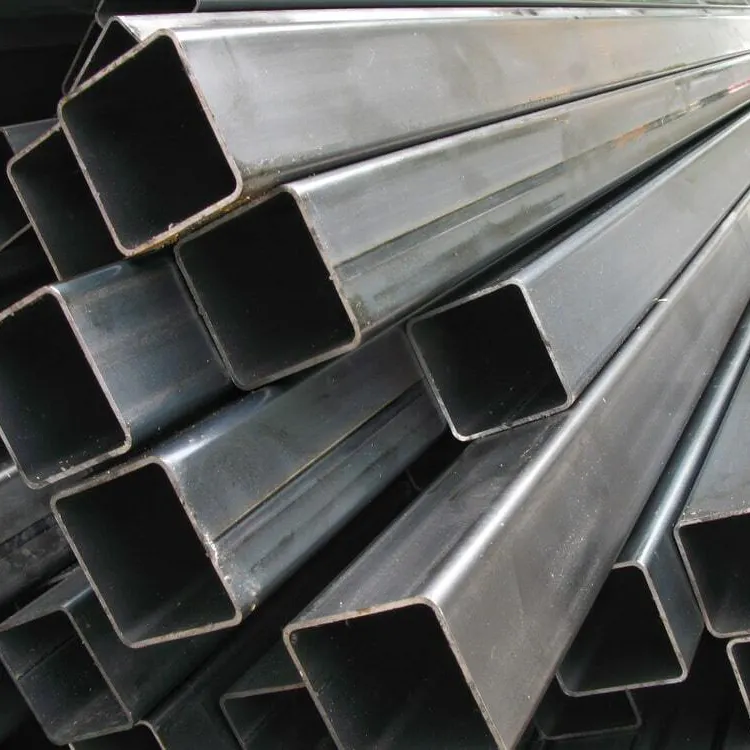
Carbon Steel (CS) refers to a type of steel composed of iron and carbon, containing between 0.05% and 2.1% carbon by weight. Carbon steels are commonly defined as steels with up to about 2.0-2.1% carbon before transitioning into cast irons. The amount of carbon present affects the material’s mechanical behavior. Higher carbon levels increase hardness and tensile strength by encouraging the formation of harder microstructures (pearlite and martensite), but they decrease ductility and impact toughness. The relationship affects how the material responds to shaping, impact, and stress. Low-carbon steel offers better formability and weldability due to its softer nature, while higher carbon grades provide better wear resistance and load-bearing capacity.
Carbon steel is valued for its high tensile strength, cost-effectiveness, and adaptability to different manufacturing processes. The qualities make it popular in construction frameworks, automotive parts, and industrial machinery. The balance between performance and affordability defines carbon steel pros and cons in manufacturing decisions. The selection of the appropriate type of steel depends on the required strength, processing method, and environmental conditions.
What is Carbon Steel?
Carbon steel is a type of steel made of iron combined with different amounts of carbon, which acts as the primary element for strengthening. The carbon content in carbon metal (carbon steel) ranges from about 0.05% to 2.1%, defining its classification into low, medium, and high-carbon grades. Carbon steels are commonly defined as steels with up to about 2.0-2.1% carbon before transitioning into cast irons. Each influences the steel’s hardness, strength, and ductility. Higher carbon levels increase hardness and strength, but decrease ductility and flexibility. Lower carbon grades are easier to form and weld, whereas higher grades have better wear resistance and load-bearing capacity. The balance between carbon concentration and physical properties determines the suitability of each steel grade for the structural, industrial, and manufacturing sectors' applications.
How is Carbon Steel Material Made?
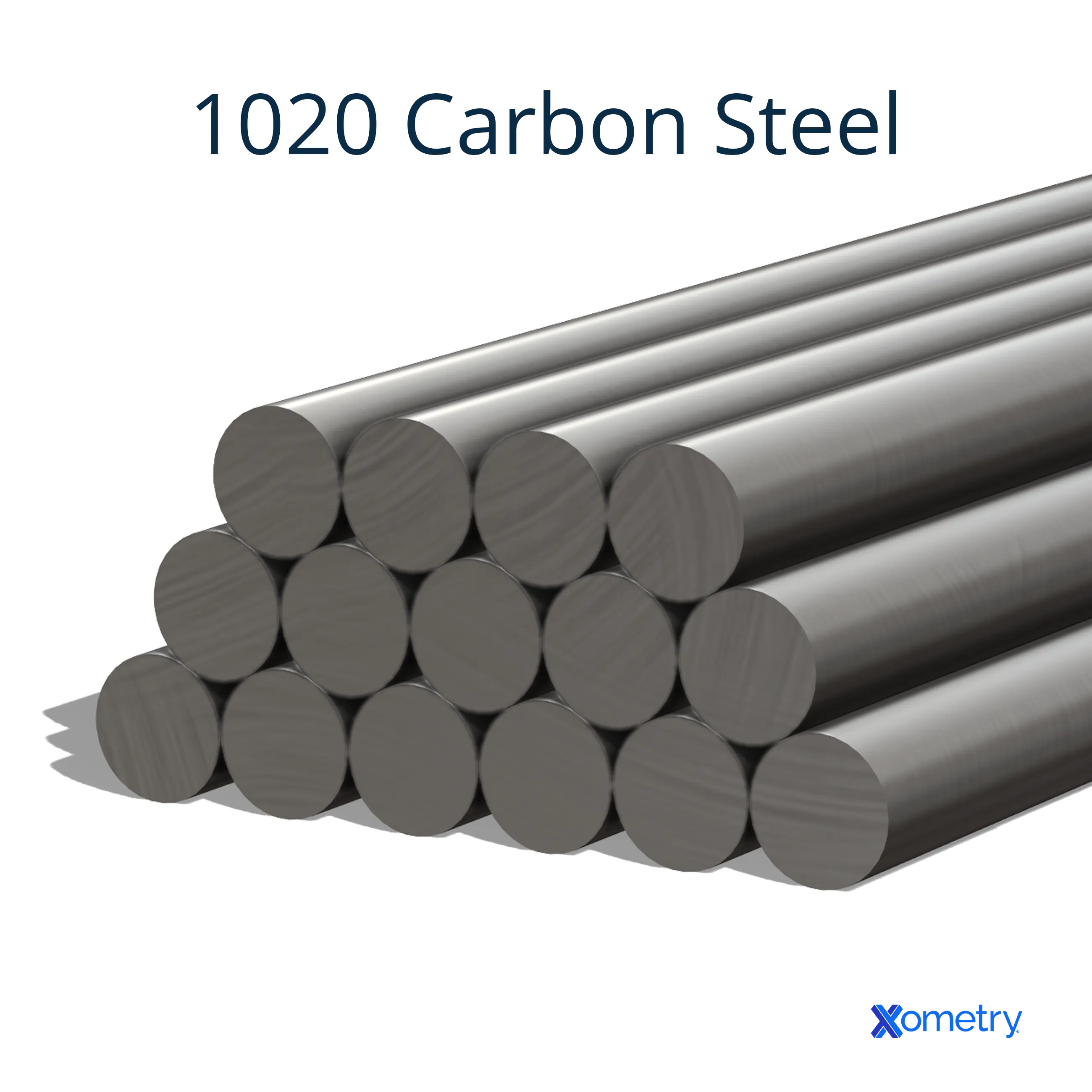
Carbon steel material is made through smelting iron ore in a blast furnace to produce molten pig iron, which is refined to adjust the carbon content and remove impurities. Impurities (sulfur and phosphorus) are eliminated during refining, and the carbon level is precisely managed to achieve specific steel qualities and mechanical characteristics. The amount of carbon added influences the final product's properties (hardness, strength, and ductility). The common production techniques include the electric arc furnace and the basic oxygen furnace. The electric arc furnace melts recycled steel using electric arcs at high temperatures, while the basic oxygen furnace refines the alloy by blowing oxygen through molten iron to lower carbon content. The two methods ensure consistent quality and scalability for industrial carbon steel manufacturing.
What are the Advantages of Carbon Steel?
The advantages of Carbon Steel are listed below.
- High Strength: Carbon steel exhibits high mechanical strength, with performance depending on carbon content and heat treatment. Its stress resistance supports structural stability in load-bearing applications.
- Low Cost: The affordability of carbon steel reduces production expenses across large-scale manufacturing operations. Its cost advantage supports widespread use without compromising essential performance standards.
- Versatility: Carbon steel adapts to various forming, cutting, and welding processes, which allows flexibility in design and fabrication. The versatility supports its application across industries (transportation, infrastructure, and machinery).
- Durability: Carbon steel resists wear and impact under repeated use in medium and high-carbon grades. Increased carbon content improves hardness at the expense of ductility.
- Availability: Carbon steel remains accessible due to abundant raw materials and established supply chains. The availability supports consistent sourcing for manufacturers across different regions.
- Recyclability: Carbon steel is recycled multiple times with minimal degradation in mechanical performance, supporting sustainable production and resource conservation
- Range of Grades: Multiple steel grades within the carbon steel category allow selection based on required strength, ductility, and hardness. The range supports tailored solutions for specific engineering needs.
- Machinability: Carbon steel responds well to machining processes, which supports precision in component fabrication. The property contributes to efficiency in manufacturing workflows.
- Weldability: Low-carbon steel provides excellent weldability for structural applications, while higher carbon levels reduce weld quality due to increased hardness and cracking risk. Understanding the pros and cons of steel supports informed decisions in design, production, and engineering.
- Impact Resistance: Low-carbon steels absorb shock and resist fracture under sudden force, which supports their use in safety-critical components. The impact resistance strengthens its role in automotive crash zones and protective barriers.
What are the Disadvantages of Carbon Steel?
The disadvantages of Carbon Steel are listed below.
- Poor Corrosion Resistance: Uncoated carbon steel readily oxidizes when exposed to oxygen and moisture, leading to rust formation and reduced service life in corrosive or humid conditions.
- Brittleness at High Carbon Levels: Increasing carbon content improves hardness and tensile strength but decreases ductility, making the steel more susceptible to cracking or fracture under impact or bending stress.
- Maintenance Requirements: Regular inspection and protective measures are necessary to prevent surface degradation and structural weakening. Exposure to air and water accelerates deterioration without proper care.
- Limited Use in Harsh Environments: Carbon steel is unsuitable for environments with high salinity, acidity, or continuous moisture exposure due to rapid corrosion. Extreme temperatures alter its microstructure and mechanical performance, while it tolerates moderate heat.
- Lower Weldability in High Carbon Grades: Increased carbon content reduces weldability because it promotes hard and brittle microstructures in the heat-affected zone, requiring preheating, post-weld heat treatment, or specialized filler materials to ensure strong joints.
- Heavier Weight Compared to Alternatives: Carbon steel has a higher density than materials (aluminum), which adds weight to finished products. The factor affects fuel efficiency and handling in transportation-related applications.
- Surface Finish Limitations: Achieving a smooth or decorative finish on carbon steel requires additional processing. The raw surface tends to oxidize quickly, which affects appearance and texture.
How does Carbon Steel Affect the Quality of Products?
Carbon steel influences product quality through its combination of mechanical strength, durability, and dimensional stability, making it a dependable material for structural and engineered applications. Carbon steel’s composition supports resistance to mechanical stress, which helps maintain structural integrity during use. The presence of carbon influences hardness and tensile strength, with higher levels providing increased resistance to wear and deformation. Lower carbon content improves ductility and weldability, allowing easier forming and joining operations, though it comes with a moderate reduction in hardness and tensile strength. The balance between strength and flexibility allows manufacturers to select appropriate grades for specific functional requirements. The adaptability supports consistent product quality in industries of construction, transportation, and machinery production.
What are the Properties of Carbon Steel?
The properties of carbon steel display a combination of hardness, tensile strength, and low corrosion resistance. Carbon steel’s mechanical behavior depends on the percentage of carbon present in the alloy. Increased carbon content raises hardness and strength, which supports resistance to wear and deformation. Lower carbon levels improve ductility and formability, which allows easier shaping and welding. The material lacks natural protection against moisture and chemicals, which leads to surface degradation without coatings or treatments. The variation in carbon concentration influences the selection of steel grades for structural, automotive, and industrial applications. Each property of carbon steel contributes to the performance and reliability of carbon steel across different manufacturing environments.
"Carbon steel is often viewed as a single material, but its properties shift significantly as carbon content increases. Knowing how these changes affect strength, ductility, and toughness is essential, because choosing the right carbon steel grade can be the difference between reliable performance and unexpected failure."
What is the Density of Carbon Steel?
The density of carbon steel is approximately 7.85 g/cm³. The density value reflects the tightly packed crystal lattice of iron and carbon atoms in carbon steel. The high density of carbon steel results in heavier components, which can contribute to stability and durability in certain structural applications. The balance between mass and strength allows carbon steel to perform reliably in environments requiring solid support and impact resistance. The property influences its selection for construction, transportation, and industrial machinery.
What is the Melting Point of Carbon Steel?
The melting point of carbon steel ranges from 1,425°C to 1,540°C, depending on the alloy composition and carbon content. Higher carbon content lowers the melting temperature because carbon alters the iron–carbon phase equilibrium. The high-temperature threshold supports its use in environments where thermal resistance is critical to performance. Carbon steel maintains structural integrity under moderate thermal conditions, but prolonged exposure above approximately 350–450°C (depending on grade and heat treatment) causes strength reduction and oxidation. It is suitable for applications involving intermittent or controlled heat cycles. Its melting behavior influences fabrication methods (forging, casting, and welding). The combination of thermal stability and mechanical strength contributes to its reliability in industrial, automotive, and construction applications.
What is the Chemical Composition of Carbon Steel?
Carbon steel consists primarily of iron and carbon, with the carbon content influencing its mechanical properties (hardness, strength, and ductility). Small amounts of manganese, sulfur, and phosphorus are present in the alloy in addition to the main elements. Manganese increases strength, toughness, and hardening while reducing the harmful effects of sulfur.
Sulfur improves machinability but decreases ductility and toughness, and phosphorus improves strength and hardness slightly but increases brittleness. The balance of the elements determines the steel’s behavior under stress, its response to heat treatment, and its suitability for various industrial applications. Variations in composition across different grades allow tailored performance in construction, automotive, and manufacturing environments.
What is the Structure of Carbon Steel?
The structure of carbon steel consists of ferrite, pearlite, or a combination of both, though other phases (cementite, bainite, or martensite) form depending on carbon content and heat treatment. Ferritic structures have a body-centered cubic (BCC) crystal lattice that provides good ductility, magnetic properties, and moderate strength at room temperature. Pearlitic structures form from alternating layers of ferrite and cementite, resulting in higher hardness and tensile strength. The proportion of ferrite and pearlite depends on the carbon content, which directly influences mechanical behavior. The increase of pearlite content raises strength and wear resistance, while higher ferrite content supports flexibility and ease of forming. The internal structure determines how carbon steel responds to stress, shaping, and thermal treatment across industrial applications.
What is Carbon Steel Used for?
The uses of Carbon Steel are listed below.
- Construction Materials: Carbon steel supports structural frameworks, beams, and reinforcements due to its strength and load-bearing capacity. Carbon steel’s affordability allows large-scale use in buildings, bridges, and infrastructure projects.
- Automotive Components: The material forms critical parts (chassis, body panels, and safety reinforcements). Carbon steel’s mechanical strength and cost-efficiency support mass production without sacrificing reliability.
- Industrial Tools: Carbon steel provides hardness and wear resistance for hand tools, cutting instruments, and machine parts. Its durability maintains performance under repeated mechanical stress.
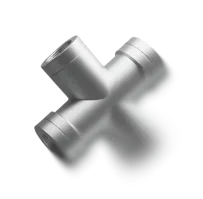
- Piping Systems: Carbon steel is used in water, gas, and steam pipelines for its high strength and pressure resistance. Protective internal linings or external coatings are applied when operating in humid or chemically aggressive environments, because they are prone to corrosion.
- Machinery and Equipment: Carbon steel supports gears, shafts, and mechanical housings in manufacturing systems. Its strength and machinability contribute to consistent operation and long service life.
- Shipbuilding and Marine Structures: Carbon steel is used for hulls, decks, and structural frames due to its strength and impact resistance in shipbuilding. Marine-grade carbon steels are alloyed with small amounts of copper or nickel and coated with anti-corrosive layers to withstand moisture and salt exposure.
- Railway Infrastructure: Tracks, wheels, and structural parts rely on carbon steel for stability and wear resistance. Its toughness supports heavy loads and continuous movement.
- Agricultural Implements: Plows, blades, and frames use carbon steel for strength and resistance to soil abrasion. Its low cost supports widespread use in farming equipment.
- Storage Tanks and Pressure Vessels: Storage Tanks and Pressure Vessels: Specific carbon steel grades provide containment for liquids and gases under pressure. Its mechanical properties support safety and compliance with industrial standards.
- Fasteners and Hardware: Bolts, nuts, and screws made from carbon steel offer strength and reliability in assembly. Their widespread use spans construction, automotive, and machinery sectors.
What is Carbon Steel Used for in Medical Applications?
The use of carbon steel in medical applications is for tools and support equipment that require strength and rigidity. Instruments (surgical blades, clamps, and structural frames) for non-implantable devices benefit from the hardness and machinability of carbon steel. Its ability to maintain sharp edges and resist deformation under pressure supports precision in controlled environments. Carbon steel has limited application in implantable or long-term medical devices due to its low corrosion resistance. Stainless steel remains the preferred material in cases because of its ability to withstand bodily fluids and sterilization processes without degrading. The role of carbon steel in the medical field remains focused on temporary-use instruments and external support components.
Can Carbon Steel be Used in Medical Implants?
No, carbon steel cannot be used for medical implants. Carbon steel lacks corrosion resistance in physiological environments, and its degradation releases iron oxides and other corrosion byproducts that cause inflammation or toxicity in surrounding tissues. Its surface reacts with moisture and biological environments, causing rust and structural breakdown over time. Medical implants require materials that maintain integrity under continuous exposure to internal conditions. Stainless steel and other biocompatible alloys provide better performance in implantable devices due to their stability and resistance to chemical reactions. Carbon steel is restricted to non-implant medical applications (surgical instruments, blades, and temporary devices), where sterilization and short-term use mitigate corrosion concerns.
What are the Applications of Carbon Steel in Construction?
The applications of carbon steel in construction are listed below.
- Reinforcement Bars (Rebars): Carbon steel rebars provide tensile strength to concrete structures, controlling crack development and preventing structural failure.
- Structural Beams: Beams made from carbon steel support vertical and horizontal loads in buildings and bridges. Their strength allows long spans without excessive material thickness, reducing weight and cost.
- Columns and Frames: Carbon steel columns and frames form the backbone of multi-story buildings and industrial facilities. Their load-bearing capacity supports vertical stability and resistance to wind or seismic forces.
- Roof Trusses: Carbon steel roof trusses provide durability and resistance to deformation under heavy loads. Their high strength-to-weight ratio supports large-span structures (warehouses, factories, and public facilities).
- Purlins and Girts: The components provide secondary support to walls and roofs in steel-framed buildings. Carbon steel ensures rigidity while maintaining a manageable production cost.
- Bridges and Overpasses: Carbon steel supports the construction of bridge decks, girders, and support structures. Its strength and resistance to fatigue extend service life under constant traffic loads.
- Scaffolding and Temporary Structures: Scaffolding systems use carbon steel for stability and reusability during construction phases. The material withstands repeated assembly and disassembly without compromising safety.
- Pipes and Conduits: Carbon steel pipes transport water, gas, and other fluids in construction and finished structures. Corrosion-resistant coatings or linings are essential for long-term reliability, while their strength supports pressure containment.
- Railings and Guardrails: Safety barriers and handrails use carbon steel for impact resistance and structural support. The material maintains form under stress, contributing to occupant safety.
- Foundation Supports: Piles and footings made from carbon steel reinforce soil stability and distribute structural loads. Their durability supports long-term performance in varied ground conditions.
What Role Does Carbon Steel Play in Automotive Safety Features?
The roles that carbon steel plays in automotive safety features are as a core strength and a safety component. The application of components (mounting brackets, seat rails, and subframe elements) supports vehicle stability during collisions. High-strength carbon steel is engineered to provide rigidity and resist deformation under load, improving passenger protection and maintaining vehicle structural integrity in safety-critical areas. Its mechanical properties allow predictable performance under mechanical stress, which helps manage force distribution and reduce injury risk. The cost-effectiveness of carbon steel supports large-scale production of safety-critical parts without compromising performance. The balance of strength, impact resistance, and economic value makes carbon steel a dependable material in automotive safety engineering.
What are the Benefits of Carbon Steel in Food Packaging?
The benefits of Carbon Steel in food packaging are mechanical strength and structural reliability. The use of cans and containers supports protection against physical damage during transport, handling, and storage. The material resists deformation under pressure, which helps preserve the integrity of the packaged contents. Its strength allows thinner walls without compromising durability, which contributes to efficient material usage. Coatings are applied to the surface to block moisture and reactive substances to maintain hygiene and prevent contamination. The coatings reduce the risk of rust and corrosion, which extends shelf life and supports compliance with safety standards. The combination of strength, formability, and protective treatment makes carbon steel a practical choice for packaging applications across food production and distribution.
What is the Cost of Carbon Steel Compared to Other Metals?
The cost of carbon steel is generally lower compared to many structural and engineering metals. The lower production cost and abundant availability of carbon steel contribute to its affordability across manufacturing sectors. Its economic advantage supports large-scale use in construction, automotive, and machinery applications where material volume and mechanical strength are critical. Stainless steel and aluminum involve higher processing and raw material expenses, which limit their cost-efficiency in high-volume production. The balance of strength, formability, and price makes carbon steel a practical choice for industries focused on structural reliability and budget control. The combination of factors influences its widespread adoption in industrial and commercial environments of carbon steel.
How is Carbon Steel Recycled?
Carbon Steel is recycled by collecting scrap material, melting it in a furnace, and reforming it into usable products without significant loss of quality. The method supports continuous reuse across manufacturing cycles. Recycling carbon steel reduces the demand for raw iron ore, which lowers energy consumption and minimizes environmental disruption from mining activities. The process decreases greenhouse gas emissions associated with primary steel production. The ability to recycle carbon steel contributes to sustainable resource management and supports industrial efforts to reduce waste.
Is High-Carbon Steel Strong?
Yes, high-carbon steel is strong. High-carbon steel’s increased carbon content contributes to greater hardness and tensile strength compared to low- or medium-carbon steels. Heat treatment creates martensite in high-carbon steel, giving it exceptional hardness and deformation resistance. The strength ensures it maintains shape under stress in structural and tooling uses. Increased hardness from higher carbon content reduces ductility, making it more brittle and prone to cracking under impact or bending. The balance between hardness and brittleness makes it ideal where wear resistance and edge retention are essential.
Is Carbon Steel More Corrosion-Resistant than M2 Tool Steel?
No, carbon steel is not more corrosion-resistant than M2 tool steel. M2 tool steel contains alloying elements (tungsten, molybdenum, vanadium, and chromium), which improve hardness, wear resistance, and oxidation resistance at elevated temperatures. M2 rusts in humid or corrosive environments, but its alloying elements improve high-temperature oxidation resistance. Carbon steel lacks enough alloying elements to prevent corrosion when exposed to moisture or reactive substances, leading to faster rust and surface damage. The M2 tool steel maintains structural integrity and wear resistance under high mechanical and thermal stress, making it suitable for cutting and tooling purposes. Its corrosion resistance surpasses that of carbon steel but is still limited when compared to stainless steels.
Does Carbon Steel Have Better Wear Resistance than 7075 Aluminum Alloy?
Yes, carbon steels have better wear resistance than 7075 Aluminum Alloy. The higher hardness of carbon steel contributes to its capability to withstand surface abrasion and mechanical contact over time. Carbon steel supports longer service life in environments where friction and impact are frequent, while 7075 Aluminum Alloy offers strength and lightweight features but lacks the hardness to guarantee high wear resistance. The softer nature of aluminum alloys leads to faster material loss when exposed to repeated contact or rough areas. The difference in the two materials’ wear behavior influences material selection for components subjected to continuous mechanical stress.
Is Carbon Steel More Durable than Stainless Steel in Harsh Environments?
No, carbon steel is not more durable than stainless steel in harsh environments. Stainless steel contains over 10.5% chromium, which reacts with oxygen to create a thin, durable chromium oxide film on its surface. The passive layer shields the metal from corrosion and oxidation, enabling stainless steel to maintain its strength when exposed to moisture, chemicals, or salt air. Carbon steel lacks the resistance and begins to break down under similar conditions, leading to rust and material loss. Stainless steel grades (304 and 316) provide better long-term durability in environments with ongoing exposure to moisture, chemicals, or salt. The ability of stainless steel to resist environmental damage supports its use in demanding industrial and marine applications.
Does Carbon Steel Have Better Conductivity than Aluminum Alloys?
No, carbon steel does not have better conductivity than aluminum alloys. Aluminum alloys have higher electrical and thermal conductivity due to their atomic structure and lower density. It allows effective heat transfer and electrical conduction in components where energy transfer is vital. Carbon steel, with more impurities and a denser structure, has a reduced ability to conduct heat and electricity. The variation in conductivity influences the selection of materials for wiring, heat sinks, and thermal management systems. The aluminum alloys provide greater efficiency in applications where rapid energy transfer is required.
Is Carbon Steel More Cost-Effective than Titanium?
Yes, carbon steel is more cost-effective than titanium. A lower raw material cost and fewer processing requirements make carbon steel an economically attractive choice for large-scale manufacturing. Titanium involves higher extraction and refinement costs due to its complex production methods and limited availability. The price difference affects material selection in industries where budget constraints and volume output are important. Carbon steel supports mass production with consistent mechanical performance, while titanium is reserved for applications that demand high strength-to-weight ratios and corrosion resistance. The economic advantage of carbon steel contributes to its widespread use in structural, automotive, and tooling components.
Does Carbon Steel Perform Better in Low-Temperature Applications than Brass?
Yes, certain low-carbon steels perform better in low-temperature applications than brass. Certain low-carbon steels maintain strength and toughness when exposed to cold environments, which supports structural integrity under thermal stress. The atomic arrangement in carbon steel resists brittleness and cracking at reduced temperatures, making it suitable for applications involving freezing conditions. Brass contains a higher percentage of copper and zinc, which reduces its ability to retain mechanical properties in low-temperature settings. The reduced ductility and increased risk of fracture in brass limit its reliability in cold climates. The difference in thermal behavior influences material selection for components exposed to sub-zero conditions.
Is Carbon Steel More Versatile in Manufacturing than Copper?
Yes, carbon steel is more versatile in manufacturing than copper. The processing characteristics of carbon steel support a wide range of shaping methods (cutting, welding, and machining), which allows adaptation across multiple production processes. Its lower cost compared to copper encourages wider use in industries that need high-volume production and structural durability. Carbon steel has limitations in mechanical strength and cost-effectiveness when used in large-scale fabrication, while copper offers excellent conductivity and corrosion resistance. The balance of strength, affordability, and processing flexibility makes carbon steel a preferred material in applications ranging from construction to automotive manufacturing. The difference between carbon steel and copper in versatility influences material selection based on performance requirements and production budgets.
Does Carbon Steel Offer Better Impact Strength than 6061 Aluminum Alloy in High-Stress Settings?
Yes, low- and medium-carbon steels offer better impact strength than 6061 Aluminum Alloy in high-stress settings. The microstructure and strength of carbon steel contribute to its ability to absorb and resist sudden mechanical forces without fracturing. The feature supports reliable performance in environments where repeated impact or heavy loads are present. The 6061 Aluminum Alloy provides strength and corrosion resistance but lacks the toughness required to withstand high-impact stress without deformation. The difference in carbon steel and 6061 aluminum alloy in mechanical behavior influences material selection for components exposed to dynamic forces and structural strain. Carbon steel maintains integrity under pressure, making it more suitable for demanding industrial applications.
Is Carbon Steel More Resistant to Stress Cracking than Nickel Alloys?
No, carbon steel is not more resistant to stress cracking than nickel alloys. Nickel alloys contain elements that improve stability under thermal and mechanical stress, which supports resistance to cracking in aggressive environments. Their composition allows reliable performance in high-temperature and corrosive conditions where stress corrosion is a concern. Carbon steel lacks the same level of resistance due to its simpler structure and lower alloy content. Exposure to reactive substances and elevated temperatures increases the risk of fracture and material failure in carbon steel. The superior resistance of nickel alloys makes them more suitable for applications involving pressure, heat, and chemical exposure.
Summary
This article presented carbon steel, explained it, and discussed its properties and applications. To learn more about carbon steel, contact a Xometry representative.
Xometry provides a wide range of manufacturing capabilities and other value-added services for all of your prototyping and production needs. Visit our website to learn more or to request a free, no-obligation quote.
Disclaimer
The content appearing on this webpage is for informational purposes only. Xometry makes no representation or warranty of any kind, be it expressed or implied, as to the accuracy, completeness, or validity of the information. Any performance parameters, geometric tolerances, specific design features, quality and types of materials, or processes should not be inferred to represent what will be delivered by third-party suppliers or manufacturers through Xometry’s network. Buyers seeking quotes for parts are responsible for defining the specific requirements for those parts. Please refer to our terms and conditions for more information.