
Bronze: Definition, Uses, Composition and Types



Bronze is a specialized metal alloy primarily consisting of copper and tin elements for diverse industrial applications. Human civilizations developed the materials thousands of years ago to replace softer pure metals in tools and weaponry. Scientists classify the substance as an alloy because manufacturers mix copper with various secondary elements to enhance physical characteristics. Bronze primarily consists of copper and tin; zinc is characteristic of brass, though some modern bronzes may include small amounts of other elements. Different types, like aluminum bronze and phosphor bronze, offer unique mechanical advantages for high-stress environments. Marine sectors rely on the alloys for exceptional resistance to saltwater degradation. Artisans utilize the material for statues and decorative items due to its aesthetic appeal and longevity. Manufacturing techniques, thermal properties, and comparisons with other engineering metals define the utility of the material. Reliable performance ensures the continued relevance of the alloy in modern aerospace and automotive sectors. Foundries provide various grades of metal to satisfy the specific needs of global infrastructure projects.
What is Bronze?
Bronze is a specialized metal alloy composed of copper and tin for industrial and artistic use. Human civilizations developed specialized materials thousands of years ago to replace softer pure metals in early technology. Manufacturers value the substance for its high strength and superior durability during heavy mechanical operations. Excellent corrosion resistance makes the metal a preferred choice for marine hardware and outdoor sculptures. Adding tin creates a harder surface than pure copper while maintaining good workability for casting processes. Engineering sectors utilize various grades to satisfy requirements for hardness and friction reduction. Modern production incorporates additional elements like zinc or lead to improve machining characteristics. Reliable performance in high-stress environments ensures continued relevance in modern manufacturing. Unique properties allow the material to remain a staple in industrial foundries worldwide. Diverse industries rely on the alloy for long-term structural reliability and aesthetic beauty. High-quality bronze bushings represent common components utilized in heavy machinery.
Why is Bronze Classified as an Alloy?
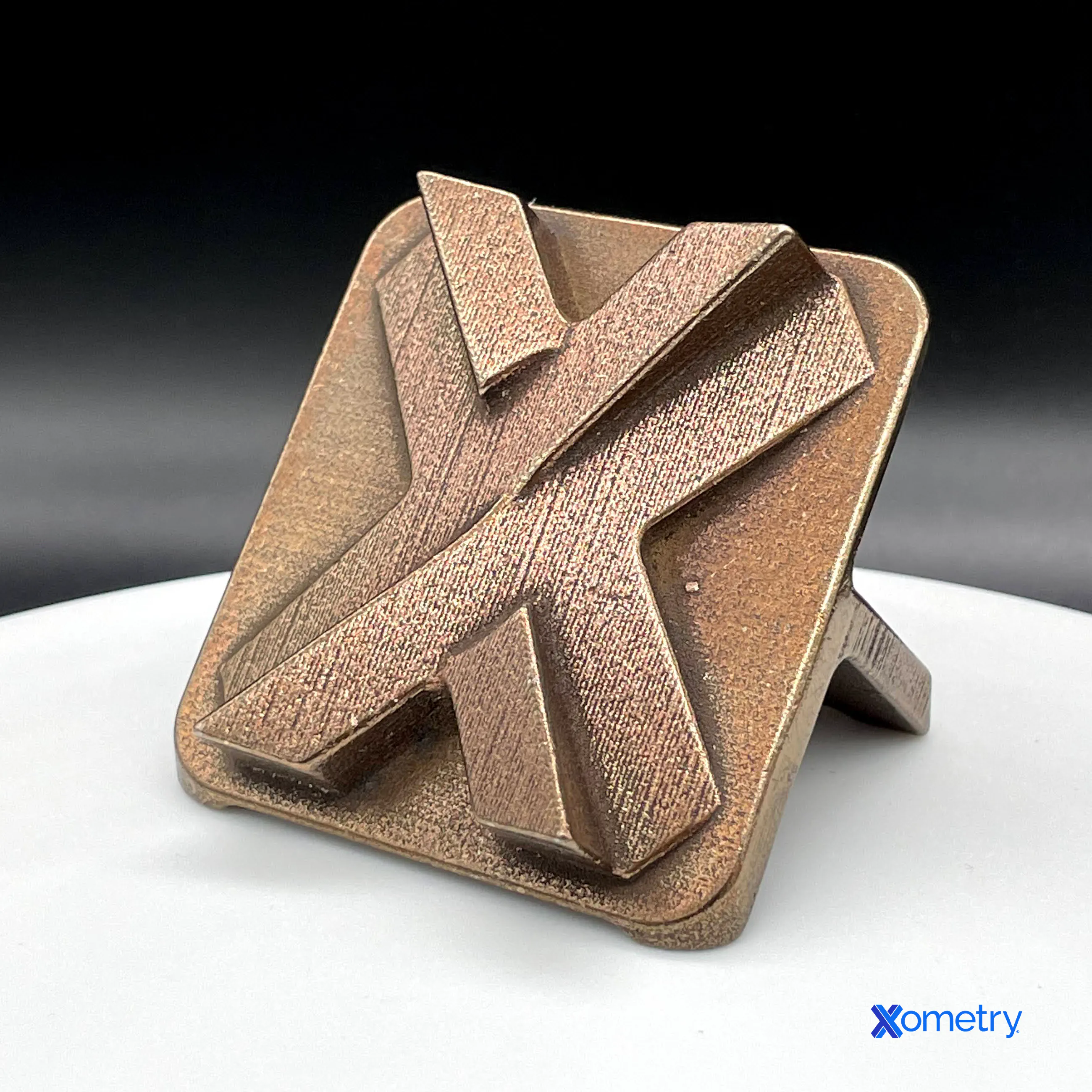
Bronze is classified as an alloy because manufacturers create it by combining copper with other metallic or non-metallic elements. Pure metals consist of single elements, whereas alloys represent a mixture of two or more distinct substances. Primary compositions involve a copper base mixed with tin to achieve superior mechanical properties. Adding secondary elements alters the atomic lattice structure to increase the overall hardness of the material. Alloying enables the tailoring of properties (strength, wear, corrosion resistance) for applications such as bearings and gears. Alloys offer better performance than pure metals in terms of wear resistance and thermal stability. Industrial production requires precise control over the ratios of each element to ensure consistency. The resulting material maintains the conductivity of copper while gaining the structural integrity of a complex mixture. Metallurgists categorize the substances based on the dominant secondary component included during the melting stage. Creating a reliable alloy ensures the final product withstands the rigors of heavy industrial service.
How Does Bronze Compare to Copper in Composition?
Bronze differs from copper in composition by the addition of alloying elements (primarily tin) to the copper base. Bronze differs from its primary component through the intentional addition of tin and other reinforcing elements. Pure Copper Metal lacks the necessary hardness for many heavy-duty structural or mechanical tasks. Standard bronze formulations typically contain between five and twelve percent tin to improve structural integrity. Some varieties include small amounts of zinc, lead, or manganese to modify specific chemical behaviors. The compositional change results in a material with a lower melting point than its pure counterpart. Increasing tin generally increases hardness and strength, but also increases brittleness (reduces ductility). Engineers select specific copper-to-tin ratios based on the desired level of ductility or hardness. Industrial standards dictate the exact chemical makeup for various commercial grades of the alloy. Compositional adjustments allow the metal to resist oxidation much more effectively than unalloyed copper metal. Strategic blending of elements creates a material suited for demanding environmental conditions.
How does Bronze Compare to Copper in Properties? Bronze differs from copper in strength, hardness, and wear resistance due to the presence of alloying elements such as tin. Copper exists as a pure metal that delivers very high electrical and thermal conductivity. Bronze contains copper mixed with tin or other elements that increase mechanical strength and resistance to surface wear. Industrial machinery favors bronze for bearings, gears, and bushings since the alloy handles friction and heavy loads more effectively than pure copper. Electrical systems rely on copper for wiring and conductive components since pure copper moves electrical current with minimal resistance. Corrosion resistance remains strong in both materials, yet bronze forms a protective surface layer that improves durability in marine environments. Engineers evaluate conductivity needs, load requirements, and environmental exposure when choosing between bronze and copper for industrial components.
Is Bronze Stronger and More Wear Resistant Than Pure Copper?
Yes, bronze is stronger and more wear-resistant than pure copper. The introduction of tin into the copper matrix creates a harder and more durable atomic structure. The modification reduces the ductility of the material while increasing its resistance to deformation. Components made from the alloy withstand friction and mechanical stress far better than unalloyed alternatives. High wear resistance makes the metal ideal for industrial bushings and heavy-duty gears. Pure copper remains too soft for many applications requiring long-term structural stability under load. Increased hardness ensures that the material maintains its shape during intensive operations. Manufacturers prioritize the alloy for parts that must endure continuous sliding contact without failing. Reliability in high-friction environments makes the metal superior to its unalloyed base.
What is the Chemical Composition of Bronze?
The chemical composition of bronze primarily consists of a copper base ranging from eighty-eight to ninety-five percent. Tin serves as the primary alloying element to provide the necessary hardness and structural strength. Many industrial grades incorporate additional elements like aluminum, silicon, or manganese to enhance specific resistance properties. Phosphorus acts as a deoxidizing agent during the melting process to improve the fluidity of the molten metal. Zinc is primarily associated with brass, while small amounts may appear in some bronzes used to lower production costs and modify the color of the final product. Specialized compositions for marine use include higher levels of aluminum to combat saltwater corrosion. Silicon additions improve the weldability and castability of the alloy for complex manufacturing tasks. Lead sometimes appears in the mixture to act as an internal lubricant for better machining performance. Precise chemical analysis ensures that each batch meets the rigorous demands of modern engineering sectors. Control over elemental ratios allows foundries to produce consistent results for every industrial application.
How does Bronze Differ from Nickel Alloys in Alloying Elements?
Bronze differs from Nickel Alloys in alloying elements through the base metal and the supporting elements that define each alloy system. Bronze utilizes copper as its foundation, while Nickel Alloys rely on nickel as the primary base metal. The two material groups provide distinct mechanical advantages based on composition. Bronze focuses on the combination of copper and tin for friction reduction and corrosion resistance. Nickel-based materials incorporate chromium, iron, or molybdenum to handle extreme temperatures and acidic environments. Elemental differences dictate the magnetic properties and thermal expansion rates of each group. Engineering teams choose copper-based mixtures for superior electrical conductivity compared to many high-strength nickel compositions. Manufacturing costs generally favor copper-based alloys for general industrial hardware and marine fittings. Specific alloying elements like aluminum or silicon are common in bronze but vary in nickel-based systems. Understanding the elemental variations helps manufacturers select the most reliable material for specialized industrial environments. Every material choice reflects the specific thermal and chemical needs of the intended application for nickel alloys.
Bronze represents a copper-based alloy system optimized for wear-critical mechanical performance. The addition of tin increases hardness, wear resistance, and resistance to plastic deformation, while reducing ductility relative to pure copper. This makes bronze particularly effective in applications involving sliding contact, such as bearings and bushings, where low friction, anti-galling behavior, and thermal stability are critical. Its ability to form a protective oxide layer also enhances corrosion resistance, especially in marine environments where chloride exposure would degrade many steels. However, these benefits come with reduced electrical conductivity and lower strength compared to high-performance alloys like beryllium copper or hardened steels. As a result, bronze is not selected for peak strength or conductivity, but for its stability and reliability under continuous mechanical wear. Its engineering value lies in maintaining functional integrity in friction-dominated systems rather than maximizing a single mechanical property.
Does Bronze Typically Contain Nickel as a Primary Component?
No, bronze does not typically contain nickel as a primary component. Copper remains the dominant base metal while tin serves as the secondary alloying ingredient in most standard varieties. The additions improve the strength and corrosion resistance of the metal in extreme marine conditions. However, the primary classification of the material rests on the copper-tin relationship. The nickel chemical element exists as a secondary or trace element rather than the defining part of the alloy matrix. Standard industrial grades focus on maximizing the benefits of copper and tin combinations for durability. The selection of the alloy depends on the required balance of friction and resistance properties.
What Are the Types of Bronze?
The types of bronze are shown in the table below.
1. Tin Bronze
Tin bronze provides high strength and strong corrosion resistance in metal components. The alloy maintains durability during continuous friction and repeated mechanical stress. Industrial sectors use tin bronze for bearings, bushings, and marine hardware that operate in demanding environments. Manufacturers select the alloy for pump parts, gears, and ship fittings that require reliable wear resistance known as Tin Bronze.
2. Aluminum Bronze
Aluminum bronze delivers excellent strength and strong resistance to corrosion in saltwater conditions. The alloy maintains stability under heavy mechanical loads and elevated temperatures. Marine engineering uses aluminum bronze for propellers, valves, and offshore structural hardware. Industrial machinery relies on the alloy for heavy-duty bushings, pump components, and chemical processing equipment recognized as Aluminum Bronze.
3. Silicon Bronze
Silicon bronze provides strong corrosion resistance and maintains durability in outdoor environments. The alloy resists oxidation and retains structural integrity during long-term exposure to moisture. Construction industries use silicon bronze for architectural fasteners, marine fittings, and decorative metal structures. The Silicon Bronze is commonly used for welding rods and some electrical components, though its electrical conductivity is lower than pure copper.
4. Phosphor Bronze
Phosphor bronze delivers high fatigue resistance and strong wear performance in mechanical assemblies. The alloy maintains elasticity and structural reliability during continuous movement. Electrical industries use phosphor bronze for springs, electrical connectors, and precision components. Manufacturers apply the alloy in bearings, bushings, and musical instrument strings recognized as Phosphor Bronze.
How is Bronze Manufactured as an Engineering Material?
Manufacturing bronze as an engineering material involves melting copper and tin in controlled furnaces to create a uniform liquid mixture. Foundries utilize sand casting or centrifugal casting techniques to form the alloy into specific industrial shapes. Modern production incorporates continuous casting methods to create long rods or tubes for further processing. Machining operations refine the dimensions of the cast parts to achieve tight tolerances for mechanical assemblies. Forging and rolling allow manufacturers to enhance the grain structure and strength of the metal through mechanical deformation. Quality control may include chemical analysis and non-destructive testing (e.g., ultrasonic testing), depending on application and product form. Heat treatment processes follow casting to optimize the hardness and ductility of the alloy. Environmental regulations require the recovery and recycling of scrap metal during the production cycle. Precise temperature management prevents the oxidation of alloying elements during the melting phase. Final components serve as critical parts in the automotive, aerospace, and energy sectors.
How does bronze casting compare to metal injection molding (MIM) in terms of cost, precision, and scalability?
Bronze casting and metal injection molding (MIM) differ in cost, precision, and scalability due to differences in tooling, accuracy, and production efficiency. Traditional sand casting offers lower initial tooling costs for low-volume production of massive structural items. High precision molding techniques utilize powdered metals mixed with binders to create intricate geometries that casting does not easily replicate. Scalability for small components favors the molding process due to rapid cycle times and minimal material waste. Conventional casting remains more cost-effective for heavy-duty marine propellers and large industrial valves. Precision levels in molding eliminate the need for extensive secondary machining operations on small parts. The selection between the methods depends on the required part size and the complexity of the internal features. Engineering firms evaluate the total production volume when deciding between traditional foundry work and modern powder metallurgy. Every production method offers unique advantages for specific part geometries and budget constraints in Metal Injection Molding.
Can Bronze Components Be Produced Using Metal Injection Molding?
Yes, bronze components can be produced using metal injection molding. The manufacturing process utilizes fine metal powders combined with a polymer binder to form complex shapes. Small and intricate parts like watch components or specialized electronic connectors benefit from the high-precision technique. The resulting parts achieve high density and excellent mechanical properties after the sintering stage. Manufacturers prefer the method for items requiring tight tolerances and minimal post-processing. Detailed features remain consistent across large production batches of small hardware. The technology allows for the creation of components that are difficult to machine using traditional methods.
What are the Mechanical and Physical Properties of Bronze?
The mechanical and physical properties of bronze include high tensile strength and exceptional resistance to metal fatigue. The alloy demonstrates a low coefficient of friction, which makes it ideal for components in continuous sliding contact. Excellent thermal conductivity allows the material to dissipate heat quickly during high-speed mechanical operations. Corrosion resistance remains a defining characteristic, especially when the metal is exposed to salt water or industrial chemicals. Non-sparking properties ensure safety in explosive environments where steel tools might cause dangerous sparks. Good electrical conductivity supports its use in specialized connectors and power transmission hardware. The material maintains its structural integrity across a wide range of temperatures without becoming brittle. Hardness levels vary depending on the tin content and the presence of other reinforcing elements. Durability ensures a long service life for parts subjected to constant vibration and heavy loads. Reliability in harsh conditions makes the metal a preferred choice for global infrastructure.
How does Bronze Compare to Stainless Steel in Corrosion Resistance?
Bronze and stainless steel differ in corrosion resistance through distinct surface protection mechanisms. Bronze and stainless alloy offer significant protection against environmental degradation, but utilize different chemical mechanisms. Stainless alloys rely on a thin layer of chromium oxide to prevent oxidation on the surface of the metal. Bronze develops a protective patina that shields the underlying material from deep structural corrosion. Marine environments favor copper-based alloys for superior resistance to pitting and crevice corrosion in salt water. Stainless materials remain more susceptible to chloride-induced failure in stagnant aquatic conditions. Engineering teams select the copper-based alloy for submerged parts like propellers and hull fittings to ensure longevity. Stainless options provide better resistance to acidic solutions in food processing and medical applications. Both materials require careful selection based on the specific chemicals present in the operating environment. Patina formation provides a natural self-healing property that maintains the integrity of the metal over many decades in Stainless Steel.
Is Bronze More Resistant to Seawater Corrosion Than Stainless Steel?
Yes, bronze is more resistant to seawater corrosion than many common grades of stainless steel. Copper-based alloys naturally resist the growth of marine organisms like barnacles and algae on their surfaces. The biofouling resistance prevents the degradation of mechanical components in aquatic environments. Many stainless steels suffer from localized pitting when exposed to high-chloride environments for extended periods. Marine-grade bronzes maintain structural strength and a smooth surface even after years of submersion. Reliability in naval applications makes the alloy the standard for underwater hardware.
What are the Uses of Bronze in Industrial Applications?
The uses of bronze in industrial applications are listed below.
- Bearings and Bushings: The components provide a low-friction surface for rotating shafts in heavy machinery and automotive engines. The alloy resists galling and wear under high loads to ensure smooth operation over long periods.
- Marine and Shipbuilding Applications: Propellers and hull fittings utilize the metal for exceptional resistance to saltwater corrosion and biofouling. Durable components withstand the harsh conditions of open ocean travel without significant structural loss.
- Electrical and Electronic Components: Specialized connectors and spring contacts rely on the material for reliable electrical conductivity and fatigue resistance. High-performance parts maintain shape and connectivity in complex electronic assemblies.
- Industrial Machinery and Tools: Non-sparking tools and heavy-duty gears benefit from the toughness and safety profile of the copper-tin alloy. Workers utilize the items in hazardous environments where traditional steel tools pose a fire risk.
- Architectural and Structural Uses: Statues and decorative building elements feature the material for its aesthetic patina and long-term weather resistance. Designers value the classic appearance and durability of the metal for public landmarks and monuments.
- Valves and Pumps: Fluid handling systems incorporate the alloy for the ability to resist erosion and chemical attack from various liquids. Components remain functional and leak-free in high-pressure industrial plumbing systems.
1. Bearings and Bushings
Bearings and bushings refer to mechanical components that reduce friction between moving machine parts. Bronze alloys deliver strong wear resistance and support smooth rotational movement under continuous load. Industrial equipment relies on bronze bearings and bushings for durability during repeated motion in engines, turbines, and heavy machinery. Engineers prefer bronze because the alloy resists seizure and maintains reliable performance during long operational cycles in Bearings and Bushings.
2. Marine and Shipbuilding Applications
Marine and shipbuilding applications involve metal components used in vessels, offshore structures, and underwater hardware. Bronze alloys resist corrosion from saltwater and maintain structural stability in harsh marine environments. Shipbuilders select bronze for propellers, rudders, fasteners, and underwater fittings exposed to constant seawater contact. Long service life and resistance to biological fouling support the use of bronze materials in Marine and Shipbuilding Applications.
3. Electrical and Electronic Components
Electrical and electronic components refer to conductive parts that support current flow and electrical connectivity in devices and systems. Bronze alloys provide moderate electrical conductivity and good elasticity, depending on alloy type, during repeated mechanical movement. Manufacturers produce connectors, switch contacts, and spring terminals using bronze materials. Reliable electrical performance and resistance to fatigue drive industrial demand for bronze in Electrical and Electronic Components.
4. Industrial Machinery and Tools
Industrial machinery and tools include mechanical equipment used in manufacturing, production systems, and processing operations. Bronze alloys provide durability and strong resistance to friction during continuous machine operation. Factories utilize bronze gears, guide plates, and tool components that require reliable wear resistance. Long operational life and stable mechanical behavior support the role of bronze in Industrial Machinery and Tools.
5. Architectural and Structural Uses
Architectural and structural uses involve metal elements applied in building construction and decorative infrastructure. Bronze alloys provide corrosion resistance and maintain structural strength in outdoor environments. Builders select bronze for door hardware, structural fittings, railings, and decorative panels in public buildings. Visual appeal and long-term durability support the use of bronze in Architectural and Structural Uses.
6. Valves and Pumps
Valves and pumps refer to mechanical systems that regulate fluid flow in pipelines, engines, and industrial equipment. Bronze alloys resist corrosion and maintain durability during continuous contact with water, oil, and industrial fluids. Engineers select bronze for valve bodies, pump housings, and internal components exposed to pressure and friction. Strong resistance to wear and fluid corrosion supports bronze performance in Valves and Pumps.
How does Bronze Compare to Aluminum Alloys in Engineering Applications?
Bronze is compared to aluminum alloys in engineering applications through differences in strength, wear resistance, weight, and operating environment. Bronze offers superior wear resistance and load capacity compared to the lightweight profile of most aluminum mixtures. Copper-based materials excel in high-friction environments where sliding contact causes softer metals to fail. Aluminum-based materials provide a strong advantage in weight reduction for aerospace and automotive structural frames. Bronze is widely used for marine hardware due to corrosion resistance, but biofouling resistance is not an inherent defining advantage over all materials. High-strength aluminum mixtures deliver better strength-to-weight ratios for components that do not face extreme friction. Thermal conductivity remains high for both material groups, yet bronze tolerates higher operating temperatures. Manufacturing processes for aluminum involve extrusion or die casting, rolling, forging, and machining across industrial and structural applications for high-volume consumer goods. Engineering selection depends on whether the application prioritizes minimal mass or maximum durability under load. Industrial bearings and gears rely on copper-based alloys for superior anti-galling performance compared with Aluminum Alloys.
What is the Difference Between Bronze and 6061 Aluminum Alloy?
The difference between bronze and 6061 Aluminum Alloy appears in composition, density, strength behavior, and industrial function. Bronze is primarily copper with tin and may include other elements (e.g., phosphorus, aluminum, silicon); 6061 aluminum is an alloy of aluminum with magnesium and silicon as primary elements. The aluminum grade provides a lightweight and heat-treatable material suitable for structural frames and bicycle components. Bronze provides a much denser and naturally wear-resistant solution for industrial bushings and heavy gears. Corrosion resistance in marine environments favors the copper-based metal due to its strong durability against saltwater. The aluminum grade offers better weldability and easier machining for complex structural geometries. Density differences remain significant since the copper alloy weighs nearly three times more than the aluminum alternative. Mechanical performance of the aluminum grade improves through heat treatment cycles like T6 tempering. Engineering teams select the bronze option when a part operates under continuous mechanical friction without rapid degradation. Industrial standards determine material selection based on environmental and mechanical requirements related to 6061 Aluminum Alloy.
Is Bronze Heavier but More Wear Resistant Than 6061 Aluminum Alloy?
Yes, bronze is heavier and more wear-resistant than 6061 aluminum alloy. The density of copper-based alloys reaches approximately 8.8 grams per cubic centimeter compared to only 2.7 for aluminum. The weight difference makes the alloy unsuitable for many aerospace applications where mass reduction is critical. However, the superior hardness and anti-friction properties of the metal ensure better performance in gears and bearings. Parts made from the copper alloy withstand continuous sliding contact far better than aluminum. Bronze is often preferred for wear-critical and sliding applications, but it is not universally superior for all moving mechanical assemblies.
How Does Bronze Relate to Material Selection in Manufacturing?
Bronze relates to material selection in manufacturing through properties that support durability, wear resistance, and corrosion protection in mechanical systems. Material selection in manufacturing relies on bronze when designers require a combination of corrosion resistance and mechanical toughness. Engineers prioritize the alloy for moving parts that must operate smoothly without frequent lubrication. Cost-benefit analysis justifies the higher price of copper-based metals due to their long service life and reliability. The alloy fills a specific niche for components exposed to harsh chemicals or abrasive industrial environments. Selection criteria include the evaluation of thermal expansion and electrical conductivity for specialized hardware. Foundries provide various grades of metal to satisfy the specific needs of the automotive, marine, and energy sectors. Prototyping stages consider the alloy for excellent castability and ease of secondary machining. Environmental sustainability remains a factor as the material is highly recyclable without losing physical properties. Careful consideration of friction coefficients leads manufacturers to choose the material for high-performance bearings.
How Does Bronze Compare to Polycarbonate (PC) in Structural Applications?
Bronze is compared to Polycarbonate (PC) in structural applications through differences in strength, stiffness, temperature tolerance, and mechanical durability. Bronze provides extreme structural strength and load capacity, while Polycarbonate (PC) offers impact resistance and lightweight transparency. The metal alloy handles massive compressive stresses that would cause plastic materials to deform or fail. Polycarbonates serve well in applications requiring high visibility and protection against sudden impacts, like safety glasses or shields. Engineering designs utilize the metal for heavy-duty mechanical assemblies and marine hardware subjected to constant stress. Plastic components offer superior weight savings and chemical resistance to certain corrosive substances. Thermal stability favors the copper alloy as it maintains properties at much higher temperatures than thermoplastics. Manufacturing methods for the metal involve casting and machining, whereas the polymer utilizes injection molding and extrusion. Selection depends on whether the part requires the rigid durability of a metal or the flexible resilience of a plastic. Structural frames in heavy machinery depend on the copper alloy for long-term mechanical stability compared with Polycarbonate (PC).
Is Bronze More Suitable Than Polycarbonate for High Load Mechanical Parts?
Yes, bronze is more suitable than polycarbonate for high-load mechanical parts. Metal alloys possess much higher tensile and compressive strength compared to thermoplastic polymers. Components like gears and bearings must maintain shape under extreme pressure to prevent mechanical failure. Polycarbonate suffers from creep or deformation when subjected to continuous stress over long periods. The alloy provides the necessary rigidity and wear resistance for heavy industrial machinery. Reliability in high-load scenarios often favors metals, but material selection depends on application-specific requirements, and not all engine or transmission components use bronze.
What Are the Thermal Properties of Bronze Metal?
The thermal properties of bronze metal include high thermal conductivity and a moderate coefficient of thermal expansion. Efficient heat transfer allows the metal to move energy away from friction points in bearings and gears. The characteristic prevents localized overheating of mechanical parts during intensive industrial operations. Thermal stability ensures that the material maintains mechanical strength even when exposed to elevated temperatures. Manufacturers utilize the properties to design heat exchangers and specialized cooling components for industrial systems. The alloy expands predictably when heated, allowing engineers to calculate precise tolerances for mechanical assemblies. High-temperature grades of the metal incorporate aluminum or nickel to enhance resistance to thermal softening. Thermal performance contributes to component reliability, but bronze is typically limited to specific parts (e.g., bearings, bushings) rather than general engine components. Industrial cooling processes benefit from the rapid heat dissipation provided by the high copper content in the mixture.
How Does Bronze’s Thermal Conductivity Compare to Titanium?
Bronze compared to Polycarbonate (PC) in structural applications through differences in strength, stiffness, temperature tolerance, and mechanical durability. Bronze offers higher thermal conductivity than titanium for heat dissipation and cooling applications. Copper-based alloys move thermal energy efficiently through the material matrix. Titanium acts as a thermal insulator in comparison and performs poorly in heat exchangers or friction-heavy bearings. Engineering designs prioritize the copper alloy when the part must stay cool during high-speed mechanical rotation. Titanium remains a strong choice for aerospace components that require high strength and low density under extreme heat. Thermal transfer in bronze reaches nearly ten times the rate measured in most titanium grades. Industrial valves and pumps rely on copper-based alloys to prevent heat buildup during the movement of hot fluids. Engineers evaluate weight, strength, and heat management during material selection. Rapid heat dissipation in bronze reduces thermal fatigue in machinery when compared with Titanium (Ti).
Does Bronze Conduct Heat Better Than Titanium?
Yes, bronze conducts heat better than titanium. The high copper content in the alloy facilitates the rapid movement of thermal energy through the atomic structure. Titanium possesses a much lower thermal conductivity, which makes it a poor choice for heat-dissipating components. Manufacturers utilize copper-based metals for parts that require effective cooling during operation. Efficient heat transfer prevents the failure of gears and bearings in high-stress environments. Choosing the alloy helps improve heat dissipation, but does not ensure safe operating temperatures without proper system design.
How is Bronze Positioned Among Engineering Metals and Alloys?
Bronze is positioned among engineering metals and alloys through a combination of wear resistance, corrosion resistance, and stable mechanical performance in demanding environments. Bronze occupies a unique position as a high-performance material specializing in wear resistance and marine durability. Bronze occupies a niche role focused on wear resistance, corrosion resistance, and bearing applications rather than serving as a general bridge between steels and specialty alloys. Industrial sectors rely on anti-friction properties to reduce maintenance costs in moving mechanical systems. The metal provides a more durable alternative to brass in high-stress and corrosive environments. Engineering standards prioritize the material for underwater hardware due to its superior resistance to saltwater. Bronze is more cost-effective than precious metals, but its mechanical performance is application-dependent and not universally superior to aluminum alloys. Bronze remains relevant in specific components (e.g., bearings, bushings), but it is not a primary structural material in aerospace or automotive sectors. Reliability in harsh conditions ensures the material remains a staple in the global manufacturing supply chain. Unique combinations of non-sparking and biofouling resistance make it irreplaceable in many hazardous industries.
How Does Bronze Compare to M2 Tool Steel in Hardness and Wear Performance?
Bronze is compared to M2 tool steel in hardness and wear performance through differences in material structure and mechanical behavior. Bronze provides excellent wear resistance for sliding contact, while M2 tool steel provides extreme hardness for cutting and drilling operations. Tool steels contain iron alloyed with tungsten, molybdenum, and vanadium that maintain sharp cutting edges under intense heat. The copper-based alloy remains softer and protects rotating shafts during bearing operation. Industrial manufacturing uses tool steel for drill bits, milling cutters, and cutting blades that endure abrasive wear. Bronze performs well in low-friction motion, where moving parts must avoid seizure. Heat treatment processes create a hardened crystalline structure in tool steel that withstands strong mechanical forces. Copper-based alloys rely on the lubricating behavior of the copper and tin mixture during movement. Engineers choose materials based on surface hardness requirements or anti-galling performance in mechanical assemblies. Heavy-duty machining systems rely on hardened cutting tools paired with copper alloy bushings, paired with M2 Tool Steel.
Is Bronze Softer but Less Brittle Than M2 Tool Steel?
Yes, bronze is softer but less brittle than M2 tool steel. High-speed tool steels prioritize hardness and wear resistance, but they are engineered to retain some toughness and are not inherently highly brittle under normal use. The copper-based alloy provides a higher level of toughness and ductility for mechanical components. The flexibility allows the material to absorb shocks and vibrations without catastrophic failure. Components in high-impact environments benefit from the resilient nature of the copper-tin mixture. Maintaining structural integrity under stress makes the alloy a reliable choice for diverse industrial hardware. Reliable performance ensures the material serves well in both historical and most modern engineering contexts.
How Xometry Can Help
Xometry provides a wide range of manufacturing capabilities, including 3D printing, laser cutting, CNC machining, and much more. If you want to learn more about bronze, brass, or any other type of metal, or request a free no-obligation quote, reach out to a Xometry representative today.
Disclaimer
The content appearing on this webpage is for informational purposes only. Xometry makes no representation or warranty of any kind, be it expressed or implied, as to the accuracy, completeness, or validity of the information. Any performance parameters, geometric tolerances, specific design features, quality and types of materials, or processes should not be inferred to represent what will be delivered by third-party suppliers or manufacturers through Xometry’s network. Buyers seeking quotes for parts are responsible for defining the specific requirements for those parts. Please refer to our terms and conditions for more information.