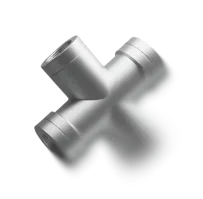
Copper: Definition, Composition, Properties, and Industrial Applications


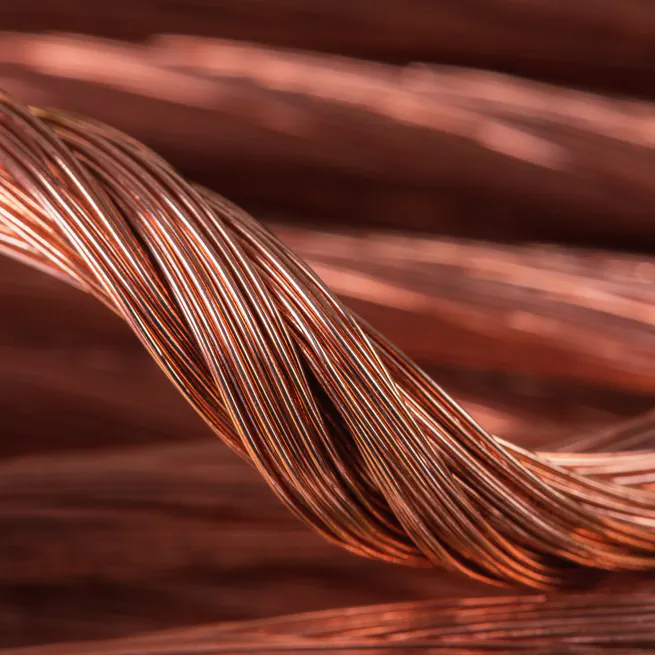
Copper is a naturally occurring metallic element known for its reddish-brown color, high conductivity, and extensive industrial use. Copper carries the chemical symbol Cu and atomic number 29, classifying copper as a non-ferrous base metal widely used across manufacturing and infrastructure. The term copper originates from the Latin cuprum, derived from aes cyprium, reflecting historical mining tied to Cyprus. Copper appears in nature as a native metal and within mineral ores, most notably chalcopyrite, which supplies global production.
Material composition consists of elemental copper atoms joined through metallic bonding that enables efficient electron movement. Physical properties include excellent electrical and thermal conductivity, strong ductility, and notable malleability, which support forming into wires, sheets, and complex components. Chemical behavior involves slow surface oxidation that creates a protective patina, limiting deeper corrosion while changing surface appearance. Mechanical softness limits heavy structural use, though alloying addresses strength requirements.
Industrial importance centers on energy efficiency and reliability. Manufacturing relies on copper for wiring, motors, and heat exchangers. Electronics depend on copper for circuits and connectors. Renewable energy systems integrate copper throughout solar, wind, and power transmission applications.
What is Copper?
Copper is a reddish-brown metallic chemical element with the symbol Cu and atomic number 29. Copper belongs to the transition metals and exhibits high electrical and thermal conductivity, ductility, and resistance to corrosion. Natural copper occurs in the Earth’s crust in native form and within mineral ores (chalcopyrite, malachite, bornite), making copper one of the earliest metals used by human civilizations. Geological deposits appear across continents, with major extraction regions located in South America, North America, Africa, and parts of Asia.
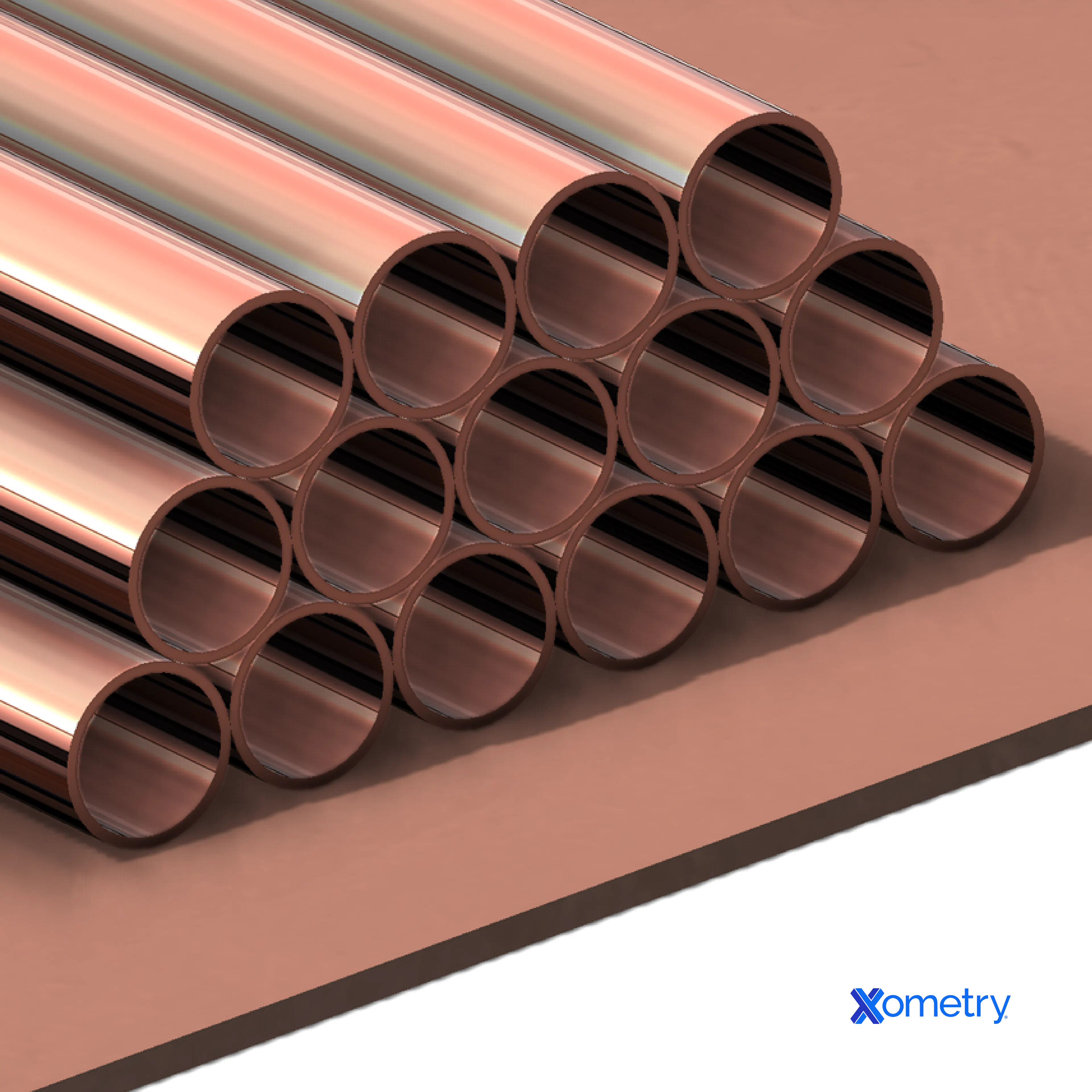
Copper supports global industry through widespread structural and functional use. Electrical wiring relies on copper due to its consistent conductivity and durability. Plumbing systems depend on copper tubing for corrosion resistance and long service life. Manufacturing sectors use copper alloys (bronze, brass) to produce tools, machinery components, and architectural materials. Renewable energy systems incorporate copper in solar panels, wind turbines, and electric motors due to stable energy transfer properties. Medical applications use copper surfaces for antimicrobial performance in controlled environments. Copper remains central to infrastructure development, energy distribution, transportation systems, and industrial manufacturing due to its reliable physical properties and global availability.
Copper pipes.
What is the History of Copper?
The history of copper begins with early human discovery and sustained technological development across multiple regions (Anatolia, Mesopotamia, the Levant). Archaeological evidence dates copper use to about 9,000 years ago, when societies identified native copper deposits that required limited processing. Early metalworkers shaped copper through hammering techniques to produce tools, ornaments, and ceremonial objects. Copper use expanded during the Chalcolithic period, marking a transition from stone tools to metal-based production. The development of bronze through copper and tin alloying increased strength and durability, transforming weapons, tools, and trade networks.
Civilizations across ancient Egypt, Mesopotamia, the Indus Valley, China, and the Andes integrated copper into daily life through agriculture, construction, currency, and decorative arts. Smelting and casting advancements improved efficiency and consistency over time. Industrial era demand increased as copper supported machinery, steam power systems, and urban infrastructure. Modern industries depend on copper for electrical transmission, transportation, manufacturing, construction materials, and renewable energy technologies. Copper maintains global relevance through enduring physical properties, adaptability across applications, and continued industrial reliance.
What is the Origin or Etymology of the Word “Copper”?
The origin or etymology of the word copper traces back to ancient geographic and linguistic usage tied to metal trade and production (Cyprus mining centers). The English term copper derives from the Latin word cuprum, which evolved from aes cyprium, meaning metal of Cyprus. Ancient Roman writers shortened aes cyprium to cyprium, directly referencing the island of Cyprus as a major source of copper ore during antiquity. Linguistic compression over time transformed cyprium into cuprum, establishing the standard Latin term for the metal.
Medieval European languages adopted variations of cuprum through trade, metallurgy, and scholarly transmission. Old English absorbed the term through Germanic and Norman French influence, producing forms resembling coper or copper. Phonetic stabilization occurred as the English vocabulary standardized during the late medieval period. Written records from trade documents and scientific texts reinforced consistent spelling and pronunciation.
The linguistic history of copper reflects the metal’s commercial significance and geographic association rather than descriptive color or physical traits. Naming conventions preserved the link between language and resource origin across centuries. Modern English retains copper as a direct linguistic descendant of Latin terminology rooted in ancient Mediterranean mining networks.
Does Copper Rust Easily?
No, copper does not rust easily, as observed in long-term outdoor exposure and architectural use (rooftops, statues, piping). Rust refers specifically to iron oxidation, while copper undergoes a different chemical reaction when exposed to oxygen and moisture. Copper reacts with air to form a thin oxide layer on the surface. Continued exposure produces a stable patina composed mainly of copper carbonates, sulfates, or chlorides depending on the environment. The surface initially darkens to brown or black before a stable green patina appears over time and adheres tightly to the metal surface.
The protective patina acts as a barrier between copper and environmental elements. Oxygen, water, and pollutants lose direct contact with the underlying metal once the patina forms. Corrosion slows substantially after patina development because the surface layer remains chemically stable. Historical copper structures demonstrate long service life due to the self-limiting reaction. Copper roofs, monuments, and outdoor fixtures maintain structural integrity for decades without structural degradation.
Environmental conditions influence patina formation speed. Humid air, coastal environments, and urban pollution accelerate surface oxidation. Dry climates slow the visual change while preserving protective properties. Copper avoids progressive material loss during oxidation, unlike iron. Copper retains strength and functionality even after surface color changes. Resistance to aggressive corrosion explains widespread use in construction, electrical systems, plumbing, and outdoor applications where long-term durability matters.
What is Copper Made of?
Copper is made of a pure metallic element composed entirely of copper atoms, identified by the chemical symbol Cu and atomic number 29. Elemental copper exists as a native metal in nature, meaning copper appears without chemical bonding to other elements in certain geological formations. Metallic bonding between copper atoms creates high electrical conductivity, thermal conductivity, and ductility that define copper’s industrial value.
Copper originates from mineral ores formed through hydrothermal and magmatic processes. Chalcopyrite (CuFeS2) ore represents an abundant natural source, containing copper combined with iron and sulfur within a crystalline structure. Mining operations extract chalcopyrite through open-pit or underground methods, followed by crushing, concentration, smelting, and refining to separate elemental copper. Copper-bearing minerals (malachite and bornite) contribute to secondary sources during extraction.
Copper forms alloys through deliberate combination with other metals to modify strength, hardness, and corrosion behavior. Bronze consists of copper and tin, producing increased durability and wear resistance for tools and structural components. Brass combines copper and zinc, resulting in improved workability and acoustic performance for fittings and instruments. Pure copper remains essential for electrical systems, plumbing, and construction due to its elemental stability and consistent material properties.
What are the Different Processes To Make Copper?
The different processes to make copper are listed below.
- Mine Copper Ore. Mining removes copper-bearing rock from the Earth’s crust through surface or underground operations. Geological surveys identify copper-rich zones formed by hydrothermal or magmatic activity (chalcopyrite deposits, malachite veins). Extracted ore becomes the raw input for downstream processing.
- Extract Copper Minerals. Beneficiation separates copper minerals from waste rock (gangue) after mining. Crushing and grinding reduce the ore into smaller particles, followed by concentration methods that increase copper content (flotation separation). The output consists of copper-rich concentrate rather than finished metal.
- Purify Copper Material. Purification removes unwanted elements from the extracted concentrate. Smelting applies high temperatures to produce copper matte, which is then converted into blister copper by removing sulfur and iron. Refining stages raise copper purity to levels suitable for manufacturing use.
- Form Copper Alloys. Alloying combines purified copper with other metals to alter strength, hardness, and wear resistance. Tin produces bronze, while zinc produces brass. Alloy production supports applications requiring mechanical durability and structural performance.
- Electrorefine Copper. Electrorefining applies an electrical current to achieve very high copper purity. Impure copper acts as the anode while pure copper deposits collect at the cathode. The process delivers copper suitable for electrical wiring, electronics, and precision manufacturing.
1. Mining
Mining explains how copper ores enter the production cycle through controlled removal from the Earth’s crust using surface and subsurface techniques. First, geological surveys identify copper-bearing formations through sampling, mapping, and mineral analysis. Open-pit mining follows when copper deposits appear close to the surface, allowing large-scale excavation using stepped benches and heavy machinery. Underground mining applies when ore bodies extend deep below ground, relying on tunnels, shafts, and controlled blasting to reach mineral zones while maintaining structural stability.
Second, extracted material undergoes on-site sorting to separate copper-rich rock from waste material. Haulage systems transport ore to processing facilities for further treatment. Chalcopyrite represents the primary copper mineral mined globally, composed of copper, iron, and sulfur. Additional copper minerals include malachite, bornite, chalcocite, and azurite, each contributing varying copper concentrations.
Lastly, environmental controls guide mining operations to manage erosion, water flow, and land restoration after extraction. Mining forms the foundational stage of copper production by supplying the raw material required for the extraction, purification, and refinement stages that follow in the industrial chain.
2. Extraction
Extraction explains how copper separates from mined ore through thermal or chemical treatment under controlled industrial conditions. First, crushed copper ore enters concentration stages, primarily froth flotation, that isolate copper-bearing minerals from surrounding rock using chemical and physical separation. Smelting follows for sulfide ores, where high temperatures trigger chemical reactions that remove sulfur and iron, producing molten copper matte. Converting the molten matte by blowing air or oxygen through it oxidizes the remaining iron and sulfur, producing blister copper.
Second, leaching applies to oxide ores through chemical solutions that dissolve copper from crushed rock. Acidic solutions percolate through ore piles or tanks, allowing copper ions to enter liquid form. Each technique follows strict process control to maintain metal recovery efficiency and material consistency.
Lastly, the extraction output feeds directly into refining stages that increase purity for industrial use. Smelting and leaching selection depends on ore composition, mineral structure, and environmental conditions. The controlled methods define the copper extraction process.
3. Purification
Purification explains how extracted copper transforms into high-purity metal through controlled thermal and chemical treatment. First, blister copper produced from smelting enters refining furnaces where oxygen removes remaining sulfur and iron through oxidation reactions. Slag forms on the surface and is separated to reduce non-copper material. Fire refining continues until copper content reaches approximately 99% purity, producing anodes suitable for electrolytic refining.
Second, refined copper undergoes electrolytic purification to remove trace impurities that affect conductivity and durability. Copper slabs act as anodes and dissolve into an electrolyte solution under an electrical current. Pure copper ions migrate and deposit onto cathode plates in solid form. Impurities either remain in solution or settle as anode sludge containing valuable byproducts.
Lastly, cathode copper achieves purity levels exceeding 99.99 percent, meeting standards required for electrical systems and precision manufacturing. Controlled purification improves consistency, mechanical performance, and corrosion resistance. Purification ensures copper metal performs reliably across infrastructure, energy distribution, and industrial fabrication applications.
4. Alloying
Alloying explains how copper combines with other metals to modify mechanical strength and resistance to environmental degradation. First, purified copper enters controlled melting furnaces where precise temperatures maintain metal stability during mixing. Molten copper receives measured additions of secondary metals selected for specific performance outcomes (tin, zinc). Elements mix uniformly in the molten phase, and the specific alloy structure forms as the material undergoes controlled solidification.
Second, alloy composition determines final material characteristics. Copper mixed with tin produces bronze, a material recognized for increased hardness and wear resistance. Copper mixed with zinc produces brass, valued for improved tensile strength, machinability, and corrosion resistance in humid or marine environments. Alloy ratios remain tightly regulated to preserve consistency across production batches.
Lastly, cooled alloys undergo casting, rolling, or extrusion depending on the intended use. Structural components, fittings, instruments, and mechanical parts rely on alloyed copper for durability under repeated stress. Alloying expands copper applications beyond pure metal usage by improving performance in demanding industrial and architectural settings.
5. Electrorefining
Electrorefining explains how copper reaches extremely high purity through an electrolysis-based refining stage. First, impure copper slabs serve as anodes and are suspended inside electrolyte tanks filled with a copper sulfate solution. Electrical current passes through the system, causing copper atoms from the anode to dissolve into the solution as positively charged ions. Second, copper ions migrate through the electrolyte and deposit onto the cathode starter sheets as solid metal with a uniform crystal structure. Impurities separate during the process, with less reactive elements settling as anode sludge while more reactive elements remain dissolved in the solution. Lastly, harvested cathode sheets achieve purity levels of 99.99%, meeting strict requirements for electrical conductivity and material consistency. Electrorefining produces copper suitable for power transmission, electronics manufacturing, and precision industrial applications where chemical stability and conductivity remain critical.
What Are the Characteristics of Copper?
The characteristics of Copper are listed below.
- High Electrical Conductivity: The high electrical conductivity defines copper as a primary material for power transmission and electronic components. Free-moving electrons within the metallic structure support efficient current flow. Electrical conductivity remains high across standard operating ranges, though it decreases as temperature increases.
- High Thermal Conductivity: The high thermal conductivity allows copper to transfer heat efficiently across surfaces. Heat dissipation performance supports use in heat exchangers and cooling systems. Thermal response remains uniform under sustained load.
- Ductility: The ductility allows copper to stretch and deform without fracturing. Wire drawing and sheet forming rely on the mechanical properties. Structural integrity remains intact during repeated shaping.
- Malleability: The malleability enables copper to flatten into thin sheets under compressive force. Manufacturing processes shape copper without cracking or surface failure. Surface continuity supports precision fabrication.
- Corrosion Resistance: The resistance to corrosion develops through surface oxidation that forms a stable protective layer. The oxide layer slows further chemical reaction with the environment. Long-term exposure retains structural performance.
- Mechanical Strength: The mechanical strength supports copper use under moderate structural stress. Load-bearing capacity improves further through alloying processes. Strength consistency supports repeated mechanical cycles.
- Antimicrobial Properties: The antimicrobial properties reduce microbial survival on copper surfaces. Ionic interaction disrupts bacterial cell function on contact. Surface hygiene performance supports use in controlled environments.
What Does Copper Look Like?
Copper looks like a reddish-brown metal with a bright metallic sheen when freshly exposed (newly cut wire, polished sheet surfaces). The surface displays a warm orange-red tone that visually separates copper from silver colored industrial metals. Light reflection appears smooth and uniform due to dense atomic structure and fine surface grain.
Exposure to air changes copper’s appearance over time through oxidation. The surface gradually darkens into deeper brown shades as copper oxide forms. Continued exposure to moisture and atmospheric elements produces a green or blue-green patina made of copper carbonate compounds. Architectural roofs, outdoor sculptures, and historical structures demonstrate the color shift clearly without loss of structural integrity.
Copper maintains a solid and smooth appearance in bulk form, while thin sheets and wires retain flexibility without visible cracking. Rolled sheets show even coloration, while cast components display subtle texture variation based on finishing techniques. Unrefined copper minerals appear green or blue before processing, contrasting sharply with refined copper’s red-brown metal tone. Visual consistency across electrical, architectural, and industrial uses makes copper easily identifiable by color, luster, and aging pattern.
What is the Color of Copper?
The color of copper is a natural reddish brown appearance with a warm metallic luster when freshly exposed (polished copper sheets, newly cut wire). The surface reflects light with an orange-red tone that distinguishes copper from gray or silver metals. The color results from copper’s electron structure; specifically, the absorption of blue and violet light due to transitions in the 3d electron band allows the reflection of reddish-orange wavelengths.
Exposure to air alters copper’s color through oxidation. The surface darkens from reddish brown to deeper brown as copper oxide forms. Continued exposure to moisture and atmospheric elements produces a blue-green or green patina composed mainly of copper carbonate compounds. Historic buildings, statues, and roofs display the patina clearly, demonstrating surface transformation rather than material degradation.
Environmental conditions influence the speed and intensity of color change. Humid air, coastal environments, and urban pollution accelerate patina formation, while dry climates preserve the original reddish brown tone longer. Refined copper maintains consistent coloration across sheets, pipes, and electrical conductors before oxidation begins. The color progression from red, brown, to green reflects copper’s chemical interaction with the environment and remains a defining visual characteristic across architectural, industrial, and electrical applications.
What Are the Different Types of Copper?
The different types of Copper are listed below.
- Copper Wire: The Copper wire refers to drawn copper formed into thin conductive strands for electrical transmission. High electrical conductivity and ductility support efficient current flow across power and communication systems. Manufacturing processes maintain uniform diameter and surface quality.
- Copper Tubing: Copper tubing consists of hollow cylindrical copper used for fluid and gas transport. Corrosion resistance and thermal stability support plumbing, refrigeration, and heating systems. Forming methods preserve structural integrity under pressure and temperature variation.
- Copper Alloys: The Copper alloys result from combining copper with other metals to modify strength and durability. Bronze forms through copper and tin, while brass forms through copper and zinc. Alloy composition expands usage across mechanical, structural, and decorative applications.
- Pure Coppers: The pure coppers contain very high copper content with minimal impurities. Electrical and thermal conductivity remain near maximum levels. Applications focus on wiring, electrical components, and heat transfer equipment.
- Copper Nanoparticles: Copper Nanoparticles consist of copper particles with at least one dimension between 1 and 100 nanometers. High surface area supports catalytic, antimicrobial, and electronic research applications. Production requires controlled chemical or physical synthesis methods.
- Free Machining Coppers: Free machining coppers include small alloying additions, such as tellurium (Te) or sulfur (S), that improve cutting performance. Machinability increases while maintaining acceptable conductivity levels. Precision components benefit from reduced tool wear and improved surface finish.
- Copper Sheets and Plates: The Copper sheets and plates appear as flat-rolled copper products with controlled thickness. Uniform surface finish supports roofing, cladding, and industrial fabrication. Formability supports bending and shaping without cracking.
- Oxygen Free Coppers: Oxygen-free coppers undergo specialized refining to reduce oxygen content to 0.001% or less, preventing hydrogen embrittlement. Reduced oxygen improves ductility and resistance to hydrogen-related damage. High purity supports electronic and vacuum applications.
- Electrolytic Coppers: The electrolytic coppers result from electrorefining processes that achieve very high purity levels. Electrical conductivity meets strict industrial standards. Applications include power transmission, electronics manufacturing, and precision components.
1. Copper Wire
Copper wire refers to copper that has been drawn into thin, flexible strands for efficient electrical conduction. High electrical conductivity and ductility allow copper wire to carry electrical current with minimal resistance while maintaining structural integrity during bending and installation. Manufacturing processes control diameter, surface smoothness, and purity to support consistent performance across applications. Copper wire is used in electrical power distribution, building wiring systems, electronics manufacturing, motors, transformers, and communication cables, where stable conductivity and heat tolerance are essential factors in making Copper Wire.
2. Copper Tubing
Copper tubing refers to hollow cylindrical copper products manufactured for fluid and gas transport applications. Corrosion resistance, thermal conductivity, and pressure tolerance support reliable performance under temperature variation and continuous flow conditions. Production methods control wall thickness and diameter to maintain structural stability. Copper tubing is used in plumbing systems, refrigeration units, heating installations, air conditioning lines, and industrial fluid transfer setups where durability and thermal efficiency are the primary reasons for selecting Copper Tubing.
3. Copper Alloys
Copper alloys refer to materials formed by combining copper with other metals to modify mechanical strength, wear resistance, and corrosion behavior. Controlled alloying alters hardness, ductility, and durability while retaining copper’s conductive properties. Common compositions include copper mixed with tin or zinc to achieve specific performance characteristics. Copper alloys are used in structural components, fittings, bearings, valves, marine hardware, musical instruments, and decorative elements where mechanical reliability and environmental resistance remain necessary, making Copper Alloys.
4. Pure Coppers
Pure coppers refer to copper materials composed almost entirely of elemental copper with minimal impurity content. High electrical conductivity, thermal conductivity, and ductility define material behavior across industrial applications. Refining processes remove foreign elements to preserve uniform atomic structure and consistent performance. Pure coppers are used in electrical wiring, power transmission components, heat exchangers, busbars, and grounding systems where conductivity efficiency and material stability remain essential, making Pure Coppers.
5. Copper Nanoparticles
Copper nanoparticles refer to copper particles engineered at the nanoscale with extremely small dimensions and a high surface area. Reduced particle size alters physical and chemical behavior compared to bulk copper, increasing reactivity and surface interaction efficiency. Controlled synthesis methods regulate particle size, shape, and dispersion stability. Copper nanoparticles are used in antimicrobial coatings, catalytic systems, conductive inks, electronic components, and materials research, where surface-driven performance and miniaturization remain necessary.
6. Free-Machining Coppers
Free machining coppers refer to copper grades formulated to improve cutting performance during shaping and component fabrication. Small alloying additions modify chip formation and reduce tool friction while preserving acceptable electrical and thermal conductivity. Controlled composition supports consistent surface finish and dimensional accuracy during production. Free machining coppers are used in precision connectors, electrical fittings, valve components, fasteners, and machined parts where efficient manufacturing and repeatable tolerances remain necessary.
7. Copper Sheets and Plates
Copper sheets and plates refer to flat-rolled copper products produced in controlled thickness ranges for structural and fabrication use. Uniform grain structure, surface consistency, and high malleability support shaping without cracking or material failure. Rolling and finishing processes maintain dimensional accuracy and visual quality. Copper sheets and plates are used in roofing systems, architectural cladding, heat exchangers, industrial equipment, electrical grounding surfaces, and decorative applications where formability and corrosion resistance remain necessary.
8. Oxygen-Free Coppers
Oxygen free coppers refer to high-purity copper materials produced through refining methods that remove oxygen content from the metal structure. Reduced oxygen presence improves ductility, thermal stability, and resistance to hydrogen embrittlement in high-temperature environments. Manufacturing controls preserve uniform grain structure and consistent conductivity across finished products. Oxygen free coppers are used in electronic components, vacuum systems, semiconductor equipment, audio signal transmission, and high-frequency electrical applications where material purity and performance stability remain necessary, making Oxygen-Free Coppers.
9. Electrolytic Coppers
Electrolytic coppers refer to copper materials produced through electrorefining processes that achieve very high purity levels. Electrical current drives copper ions from impure anodes toward cathodes, forming dense and uniform metal deposits with excellent conductivity. The refining method removes trace impurities that affect performance consistency. Electrolytic coppers, specifically Electrolytic Tough Pitch (ETP) copper (C11000), are used in electrical wiring, power transmission systems, busbars, and precision manufacturing where a minimum conductivity of 100% IACS is required.
How Does Copper Interact With Other Metals in Alloy Form?
Copper interacts with other metals in alloy form by its ability to combine readily with selected metallic elements during controlled melting and solidification (brass formed from copper and zinc, bronze formed from copper and tin). Copper atoms integrate into mixed metallic lattices, forming solid solutions or intermetallic compounds where atomic size compatibility and electronegativity support stable alloy structures. The alloying process alters internal grain arrangement, producing materials with different mechanical and chemical performance compared to pure copper.
Copper-zinc combinations produce brass; however, for plumbing applications, Low-Lead or Dezincification Resistant (DZR) brass is required to prevent selective leaching of zinc. Zinc addition changes hardness and tensile behavior while preserving workable conductivity for fittings, valves, and mechanical components. Copper-tin combinations form bronze, which delivers higher wear resistance and load-bearing capacity. Bronze supports repeated stress without rapid deformation, making bronze suitable for bearings, tools, and structural hardware.
Alloy formation improves usability by adjusting copper’s softness and increasing resistance to mechanical fatigue. Copper-based alloys maintain corrosion resistance while expanding application range across marine, architectural, industrial, and artistic uses. Controlled alloy ratios regulate flexibility, hardness, and durability to meet specific functional demands. Copper alloy interaction reflects a balance between conductivity, strength, and longevity, allowing copper to serve as a foundational metal for engineered materials that perform reliably under diverse environmental and mechanical conditions.
What Are the Properties of Copper?
The properties of copper are defined by a combination of physical and chemical traits that determine performance across industrial and structural applications (electrical wiring, plumbing systems, heat exchangers). Copper exhibits high electrical conductivity due to freely moving electrons within the metallic lattice, supporting efficient energy transfer. Thermal conductivity remains high, allowing rapid heat dissipation under continuous thermal load. Ductility allows copper to stretch into long wires without cracking, while malleability supports rolling into thin sheets for fabrication and architectural use.
Chemical behavior contributes to durability and long service life. Copper reacts slowly with oxygen, forming a stable surface oxide that limits deeper corrosion. Continued exposure to air and moisture produces a protective patina that shields underlying metal rather than weakening it. Chemical stability under neutral water conditions supports long-term use in piping and fluid systems. Resistance to many non-oxidizing acids further reduces material degradation in controlled environments.
The combined properties influence copper selection across multiple sectors. Electrical systems rely on conductivity. Construction relies on corrosion resistance and workability. Manufacturing relies on mechanical flexibility and chemical stability. The properties of copper explain sustained reliance across infrastructure, energy distribution, and industrial production.
What Are the Physical Properties of Copper?
The physical properties of Copper are listed below.
- Density: The density describes copper’s mass relative to volume and measures about 8.96 grams per cubic centimeter. High density contributes to structural stability and vibration damping. Weight consistency supports precision components and conductive systems.
- Melting Point: The melting point defines the temperature at which copper transitions from solid to liquid at about 1,085°C. High melting temperature supports performance under elevated thermal conditions. Thermal stability allows use in heat-exposed environments.
- Electrical Conductivity: The electrical conductivity reflects copper’s ability to transmit electric current efficiently. Electron mobility within the metallic lattice supports low-resistance energy flow. Conductivity performance places copper among the most efficient conductive metals.
- Thermal Conductivity: The thermal conductivity measures copper’s capacity to transfer heat rapidly across its surface. Heat spreads evenly through copper structures. Heat exchange efficiency supports cooling and thermal control applications.
- Color: The color identifies copper by a reddish-brown metallic appearance with a warm reflective surface. Oxidation darkens the surface over time. Extended exposure produces a green patina without structural loss.
- Hardness: The hardness describes resistance to surface deformation; pure annealed copper typically measures about 35 to 45 on the Brinell scale (HB). Softness supports forming, bending, and shaping operations.
- Tensile Strength: The tensile strength measures resistance to breaking under pulling force; annealed pure copper typically exhibits a tensile strength of approximately 210 MPa (30 ksi), increasing significantly with cold working. Strength levels increase through alloying for load-bearing use.
Does Copper's Conductivity Affect Manufacturing?
Yes, copper’s conductivity affects manufacturing by shaping material selection, processing methods, and end-use performance across multiple industries (electrical components, heat management systems). High electrical conductivity directs copper toward applications that require efficient current transfer, which influences manufacturing tolerances, purity requirements, and surface treatment standards. Producers prioritize refined copper grades to preserve conductivity during forming, rolling, and drawing operations. Impurity control becomes critical because trace elements reduce conductive efficiency and alter mechanical behavior during fabrication.
Thermal conductivity influences manufacturing workflows that involve heat exposure. Copper dissipates heat rapidly, which affects welding, brazing, and casting processes by requiring controlled temperature management to prevent distortion. Tooling design accounts for heat transfer behavior to maintain dimensional accuracy during machining and forming. Production environments adapt process speeds and cooling strategies to match copper’s rapid thermal response.
Manufacturing design decisions reflect copper’s conductive behavior beyond production stages. Component geometry accounts for electrical load distribution and heat flow to avoid performance loss during operation. Electrical manufacturing relies on consistent grain structure and surface integrity to maintain conductivity after installation. Copper’s conductive properties, therefore, influence material refinement, fabrication control, equipment selection, and quality assurance standards. The relationship between conductivity and manufacturing explains why copper processing follows stricter controls compared to less conductive metals used for structural purposes.
What Are the Chemical Properties of Copper?
The chemical properties of Copper are listed below.
- Oxidation States: The oxidation states describe copper’s ability to exist in multiple ionic forms during chemical reactions. Copper primarily exhibits +1 (cuprous) and +2 (cupric) oxidation states, which influence its chemical bonding and electrochemical behavior. The states support the wide use in chemical processing and electrochemical systems.
- Reactivity with Oxygen: The reactivity with oxygen defines copper’s surface interaction with air. Copper reacts slowly to form copper oxide layers that adhere tightly to the surface. The reaction rate remains controlled under normal environmental exposure.
- Reactivity with Acids: The reactivity with acids depends on the acid type and concentration. Copper resists reaction with non-oxidizing acids under standard conditions. Oxidizing acids trigger dissolution and salt formation during controlled chemical processes.
- Corrosion Behavior: The corrosion behavior reflects copper’s tendency to form a stable protective surface layer rather than progressive degradation. Oxidation produces a patina composed of copper oxides and carbonates. The patina slows further chemical attack and preserves the underlying metal integrity.
- Chemical Stability: The chemical stability describes copper’s resistance to rapid chemical change in neutral environments. Copper maintains structural consistency in water and air exposure. Stability supports long-term use in plumbing, architecture, and electrical systems.
How Do Copper’s Chemical Properties Affect Its Reactivity and Corrosion Behavior?
Copper’s chemical properties affect its reactivity and corrosion behavior by limiting aggressive reactions while promoting surface-level protection under environmental exposure (outdoor structures, plumbing systems). Copper exhibits low chemical reactivity in air and water due to its stable electron configuration, which slows rapid chemical attack. Contact with oxygen produces a thin copper oxide layer that bonds tightly to the surface and restricts deeper penetration. The oxide layer forms gradually and remains adherent rather than flaking away.
Extended exposure to moisture and atmospheric carbon dioxide converts surface oxides into a stable patina composed mainly of copper carbonate compounds. The patina functions as a protective barrier that reduces further corrosion instead of accelerating metal loss. Structural integrity remains intact because oxidation remains confined to the surface. Copper resists reaction with neutral water and many non-oxidizing acids, supporting durability in piping and exterior applications.
Chemical stability supports predictable performance in industrial and electrical environments. Controlled surface reactions explain copper longevity in roofs, monuments, and infrastructure systems. The balance between slow oxidation and protective patina formation defines copper’s corrosion behavior and long-term reliability.
Does Copper Resist Chemical Reactions Better Than Most Industrial Metals?
Yes, copper resists chemical reactions better than most industrial metals due to controlled surface oxidation and stable atomic structure (outdoor architecture, plumbing systems). Copper reacts slowly with oxygen and moisture, forming a thin oxide layer that adheres firmly to the metal surface. Continued exposure produces a stable patina composed mainly of copper carbonate compounds. The patina acts as a natural barrier that isolates the underlying copper from air, water, and pollutants.
Corrosion progression slows once the protective layer stabilizes, preventing deep material loss or structural weakening. Copper oxidation remains surface-bound and does not flake or propagate inward, unlike iron. Chemical resistance extends to neutral water and many non-oxidizing acids, supporting long-term durability in piping, roofing, and exterior installations. Environmental exposure alters surface color without compromising mechanical integrity.
Industrial performance benefits from predictable chemical behavior. Electrical systems rely on surface stability to maintain conductivity. Construction applications rely on corrosion resistance to extend service life. Copper’s ability to self-protect through patina formation explains its superior resistance to chemical degradation compared to other industrial metals.
What Are the Applications of Copper?
The applications of Copper are listed below.
- Electronics: The electronics rely on copper for efficient signal and power transmission within components. High electrical conductivity supports circuit boards, connectors, and microelectronic assemblies (printed circuit boards, connectors). Thermal stability supports heat dissipation in compact electronic systems.
- Architecture: The architecture uses copper for exterior and interior building elements due to durability and corrosion resistance. Visual aging through patina formation adds long-term aesthetic value (roofing panels, façade cladding). Structural consistency supports extended service life in exposed environments.
- Plumbing: The plumbing systems depend on copper tubing for fluid transport and thermal reliability. Resistance to corrosion under neutral water conditions supports longevity. Heat tolerance supports hot and cold water distribution (residential piping, commercial plumbing lines).
- Transportation: The transportation manufacturing incorporates copper into electrical systems and mechanical components. Conductivity supports wiring harnesses and control systems (automotive wiring, rail systems). Thermal performance supports braking and cooling assemblies.
- Renewable Energy: The renewable energy infrastructure uses copper for efficient energy generation and transfer. Conductive performance supports solar and wind systems (solar panel wiring, wind turbine generators). Durability supports outdoor exposure across long operating cycles.
- Medical Equipment: The medical equipment incorporates copper for functional and hygienic purposes. Electrical conductivity supports diagnostic and monitoring devices (imaging equipment, monitoring systems). Surface properties support controlled environments.
- Electrical Wiring: The electrical wiring represents one of the most widespread copper applications. Low resistance supports efficient power distribution across residential and industrial systems. Mechanical flexibility supports installation across complex layouts.
- Coinage: The coinage uses copper for durability and ease of minting. Alloyed copper maintains shape and wear resistance during circulation (circulating coins). Stable composition supports long-term handling.
- Industrial Machinery: The industrial machinery integrates copper into motors, generators, and mechanical systems. Conductivity supports energy transfer within heavy equipment (electric motors, industrial generators). Mechanical reliability supports continuous operation under load.
1. Electronics
Electronics refers to the application of copper in components that transmit electrical signals and power within electronic systems. High electrical conductivity and thermal performance support efficient current flow and heat dissipation during operation. Copper maintains stable performance under repeated electrical loading. Electronics use copper in printed circuit boards, connectors, semiconductors, integrated circuits, and microelectronic assemblies, where reliable signal transmission and thermal control remain necessary.
2. Architecture
Architecture refers to the use of copper in building elements that require durability, weather resistance, and long service life. Corrosion resistance and controlled surface oxidation support performance under prolonged environmental exposure. Malleability allows copper to form complex shapes without structural failure. Architecture uses copper in roofing systems, façade cladding, flashing, gutters, domes, and decorative building features where longevity and material stability remain necessary.
3. Plumbing
Plumbing refers to the use of copper materials for transporting water and fluids within residential, commercial, and industrial systems. Corrosion resistance, thermal tolerance, and material stability support long service life under continuous exposure to hot and cold water. Smooth internal surfaces reduce buildup and maintain consistent flow performance. Plumbing uses copper in water supply lines, heating systems, refrigeration piping, and commercial fluid distribution networks where reliability and hygiene standards remain necessary.
4. Transportation
Transportation refers to the use of copper in systems that support electrical power distribution, control functions, and thermal management within vehicles and transit infrastructure. High electrical conductivity supports efficient signal transmission and power delivery under continuous operation. Thermal stability supports heat dissipation in high-load environments. Transportation uses copper in wiring harnesses, electric motors, braking systems, control units, and charging components across automobiles, rail networks, aircraft systems, and marine vessels, where reliability and performance consistency remain necessary.
5. Renewable Energy
Renewable energy refers to the use of copper in systems that generate, transmit, and manage power from natural sources. High electrical conductivity and thermal stability support efficient energy flow and heat control across generation equipment. Material durability supports long operating cycles under outdoor exposure. Renewable energy uses copper in solar panel wiring, wind turbine generators, inverters, transformers, and energy storage connections where consistent power transfer and environmental resistance remain necessary.
6. Medical Equipment
Medical equipment refers to the use of copper in devices that require reliable electrical performance and controlled material behavior within clinical and laboratory settings. Electrical conductivity supports accurate signal transmission and stable power delivery across sensitive systems. Material properties support consistent performance under continuous operation and regulated conditions. Medical equipment uses copper in diagnostic machines, imaging systems, monitoring devices, power connectors, and internal wiring assemblies where precision, reliability, and operational stability remain necessary.
7. Electrical Wiring
Electrical wiring refers to the use of copper conductors to transmit electrical power safely and efficiently across systems. High electrical conductivity and ductility support low-resistance current flow and flexible installation through complex pathways. Material stability maintains performance under continuous electrical load and temperature variation. Electrical wiring uses copper in residential building circuits, commercial power distribution, industrial control panels, grounding systems, and transmission cables, where consistent conductivity and long service life remain necessary.
8. Coinage
Coinage refers to the use of copper in the production of currency materials for durability and long circulation life. Mechanical stability and resistance to surface wear support repeated handling and friction without rapid deformation. Alloy compatibility allows copper to combine with other metals to achieve controlled hardness and consistent weight. Coinage uses copper in circulating coins, commemorative issues, and alloy-based currency systems where longevity, recognizability, and structural integrity remain necessary.
9. Industrial Machinery
Industrial machinery refers to the use of copper in equipment that requires efficient power transfer, heat management, and mechanical reliability during continuous operation. High electrical conductivity supports energy flow within motors, generators, and control systems. Thermal conductivity supports heat dissipation in high-load mechanical environments. Industrial machinery uses copper in electric motors, transformers, generators, welding equipment, control panels, and heavy production systems where operational stability and long service life remain necessary.
How Is Copper Used in Electrical and Electronics Manufacturing?
Copper wire is used in electrical and electronics manufacturing by serving as the primary conductor for power transmission and signal distribution across components (wiring systems, circuit assemblies). High electrical conductivity allows electrical current to flow with minimal resistance, reducing energy loss and heat buildup during operation. Copper wire forms internal pathways within motors, transformers, control panels, and electronic devices where stable current flow remains necessary. Circuit manufacturing relies on copper wire and copper traces to connect components with precision and consistency.
Thermal conductivity supports heat dissipation from active electrical parts, protecting sensitive components from temperature-related degradation. Mechanical ductility allows copper wire to be drawn into fine gauges and bent into complex configurations without cracking. Manufacturing processes favor copper wire due to its predictable performance under continuous electrical load and repeated thermal cycling. Electrical efficiency improves when resistance remains low across transmission paths. The Copper wire supports compact device design, reliable performance, and long service life in electrical and electronic systems.
Is Copper Compatible With Plastic and Polymer Components?
Yes, copper is compatible with plastic and polymer components in manufacturing and assembly environments (electrical connectors, insulated wiring, molded housings). Copper maintains chemical stability when in contact with most engineering plastics, preventing adverse reactions that compromise structural performance. Compatibility supports combined use in assemblies where metals provide conductivity and polymers provide insulation, flexibility, or protective casing. Mechanical bonding remains reliable through press fitting, crimping, overmolding, and fastening methods used in mixed material systems.
Copper bonds well within polymer-based assemblies due to surface stability and predictable expansion behavior under temperature variation. Plastics and polymers surrounding copper conductors insulate electrical flow while protecting against moisture and physical damage. Copper surfaces retain integrity during encapsulation processes used in connector manufacturing. Electrical connectors rely on copper contacts housed within polymer shells to maintain signal accuracy and mechanical alignment.
Manufacturing sectors adopt copper-plastic combinations for durability and efficiency. Electrical wiring uses copper conductors coated with polymer insulation to prevent short circuits. Electronic connectors integrate copper terminals into molded polymer bodies for precise component mating. Compatibility supports widespread use across consumer electronics, automotive systems, industrial equipment, and power distribution assemblies, where combined material performance remains essential.
Is Copper Suitable for Injection Molding or Manufacturing Processes?
No, copper is not suitable for traditional plastic injection molding processes used for polymers and thermoplastics. Copper behaves as a metallic material with a high melting point and solidification behavior that differs fundamentally from moldable plastics. Manufacturing processes shape copper through casting, rolling, extrusion, forging, and machining rather than molten polymer flowing into closed molds. Thermal conductivity causes rapid heat transfer during processing, which requires controlled industrial methods for metals.
Metals require different manufacturing pathways because metallic bonding, phase change behavior, and structural density demand specialized equipment. Copper components form through casting methods where molten metal fills refractory molds, or through subtractive machining that removes material to achieve precise geometry. Powder-based processes allow fine detail creation through sintering rather than plastic flow. Production planning separates copper fabrication from polymer molding due to tooling, temperature, and material behavior differences. Advanced manufacturing bridges metal shaping and mold-based precision through specialized processes that adapt metallic powders into complex parts, concluding with Metal Injection Molding.
What Are the Benefits and Advantages of Copper?
The benefits and advantages of Copper are listed below.
- High Electrical Conductivity: The high electrical conductivity allows copper to transmit electrical current with minimal resistance. Energy loss remains low during power transfer. Performance stability supports electrical and electronic systems.
- High Thermal Conductivity: The high thermal conductivity enables efficient heat transfer across copper surfaces. Heat dissipates evenly under continuous thermal load. Temperature control supports cooling and heat exchange applications.
- Corrosion Resistance: The corrosion resistance develops through the formation of a stable surface oxide layer. The protective layer slows chemical attack and material degradation. Long service life results in outdoor and fluid handling environments.
- Ductility and Malleability: The ductility and malleability allow copper to stretch and form without cracking. Manufacturing processes shape copper into wires, sheets, and complex geometries. Structural integrity remains intact during forming.
- Mechanical Reliability: The mechanical reliability supports consistent performance under repeated stress and vibration. Copper maintains strength in moderate load conditions. Reliability improves further through alloying.
- Antimicrobial Properties: The antimicrobial properties reduce bacterial survival on copper surfaces. Ionic interaction disrupts microbial cell activity on contact. Hygiene performance supports controlled and clinical environments.
- Recyclability: The recyclability allows copper to retain material properties after repeated reuse. Recovery processes preserve conductivity and structural quality. Resource efficiency supports sustainable manufacturing practices.
- Wide Industrial Compatibility: The wide industrial compatibility supports integration across electrical, construction, transportation, and manufacturing sectors. Material versatility adapts to varied processing methods. Consistent performance supports long-term industrial reliance.
How Does Electrical Conductivity Contribute to Copper’s Advantages?
Electrical conductivity contributes to copper’s advantages by allowing electrical current to move through the metal with very low resistance across operating systems (power transmission lines, electronic circuits). Efficient electron flow reduces energy loss during transmission and limits unwanted heat generation under continuous electrical load. Lower resistance supports stable voltage levels across long distances, which improves reliability in distribution networks and precision electronics.
High conductivity influences component design and material efficiency. Smaller conductor sizes carry equivalent electrical loads without performance loss, supporting compact layouts and reduced material usage. Signal clarity remains stable in electronic assemblies where consistent current flow remains critical. Motors, transformers, and control equipment benefit from predictable electrical behavior under sustained operation.
Thermal performance strengthens the advantage created by conductivity. Heat generated during current flow dissipates quickly through the copper structure, protecting surrounding components from thermal stress. Operational stability improves under repeated electrical cycling. Electrical conductivity, therefore, underpins copper’s efficiency, durability, and widespread use across electrical infrastructure, manufacturing systems, and electronic technologies.
Does Copper Resist Corrosion Better Than Most Metals?
Yes, copper resists corrosion better than most metals due to controlled surface oxidation and chemical stability under environmental exposure (outdoor structures, plumbing systems). Copper reacts slowly with oxygen to form a thin oxide layer that adheres tightly to the surface. Continued exposure to moisture and atmospheric carbon dioxide converts the oxide into a stable patina composed mainly of copper carbonate compounds. The patina isolates the underlying metal from air and water, which slows further chemical reaction.
Corrosion behavior remains surface-limited rather than progressive. Unlike iron, copper oxidation does not flake or propagate inward, so structural integrity remains intact over long periods. Resistance extends to many non-oxidizing environments; however, copper piping is susceptible to pitting corrosion in soft, acidic, or high-velocity water conditions. Environmental conditions influence patina formation speed without compromising protection.
Industrial performance benefits from predictable corrosion resistance. Infrastructure components retain function despite surface color change. Maintenance demands remain lower compared to metals that require coatings or inhibitors. Copper’s ability to self-protect through patina formation explains its superior corrosion resistance relative to many commonly used industrial metals.
What Are the Limitations of Copper?
The limitations of copper are linked to material cost, surface oxidation behavior, and mechanical softness under applied stress (structural components, load-bearing applications). Copper carries a higher cost than many industrial metals due to extraction complexity, refining intensity, and sustained global demand. Budget sensitivity increases when large material volumes are required, which affects infrastructure and mass manufacturing decisions.
Copper undergoes surface oxidation when exposed to air and moisture. Oxidation causes a visible color change through darkening and patina formation. The patina protects underlying metal yet alters appearance, which limits use in applications requiring permanent surface consistency without coatings or finishing treatments.
Mechanical softness represents another limitation. Pure copper deforms more easily under mechanical load compared to harder structural metals. Lower hardness reduces resistance to wear, impact, and sustained stress. Applications requiring high strength or rigidity rely on copper alloys rather than pure copper. The limitations shape copper selection where cost efficiency, surface appearance, and mechanical performance remain critical considerations.
How Do Environmental and Mechanical Factors Affect Copper’s Usability?
Environmental and mechanical factors affect copper’s usability by influencing surface behavior, structural response, and long-term performance under operating conditions (outdoor installations, mechanically stressed components). Environmental exposure to air, moisture, and atmospheric compounds initiates surface oxidation that leads to oxide and patina formation. The patina protects underlying metal from deeper corrosion, preserving functionality while changing surface appearance. Humid, coastal, and urban environments accelerate surface transformation without compromising structural integrity.
Mechanical conditions affect copper through its inherent softness and deformation tendency. Pure copper exhibits lower hardness compared to many industrial metals, which reduces resistance to abrasion, impact, and sustained load. Repeated mechanical stress promotes bending or surface wear rather than fracture. Applications involving high stress or vibration rely on copper alloys to improve strength and wear resistance while maintaining conductive performance.
Thermal conditions further shape usability. High thermal conductivity supports rapid heat dissipation in electrical and industrial systems. Thermal expansion under temperature variation requires design allowances to avoid joint stress or misalignment. Environmental exposure and mechanical demands together determine where copper performs effectively and where alloying, reinforcement, or protective design measures become necessary.
Is Copper Less Suitable for High-Temperature Structural Applications?
Yes, copper is less suitable for high-temperature structural applications due to mechanical softening under sustained heat exposure (structural frames, load-bearing components). Copper retains strength at moderate temperatures, and elevated heat reduces hardness and tensile capacity. Thermal expansion increases under high temperatures, which introduces deformation risk in rigid structural assemblies. Structural metals selected for extreme heat environments require higher creep resistance and load stability than copper provides. Copper remains better suited for conductive roles rather than primary structural support in high-temperature settings, as it is susceptible to creep and significant loss of yield strength above 200°C.
What Type of Metal is Copper?
Copper is a type of metal that is a non-ferrous base metal recognized for exceptional electrical and thermal conductivity across industrial systems (electrical wiring, heat transfer equipment). Copper contains no iron, which places copper outside ferrous metal categories and prevents rust formation associated with iron oxidation. Base metal classification reflects natural abundance, widespread extraction, and extensive use across infrastructure and manufacturing rather than rarity or precious metal status.
Atomic structure explains copper performance. Copper atoms allow free electron movement within the metallic lattice, producing high electrical conductivity and efficient heat transfer. Conductive behavior supports dominant use in power transmission, electronics manufacturing, and thermal management systems. Ductility and malleability allow copper to form wires, sheets, and complex shapes without structural failure during processing.
Chemical behavior further defines copper classification. Surface oxidation occurs slowly and produces a stable protective patina that limits deeper corrosion. Environmental exposure alters appearance without compromising functional integrity. Mechanical softness differentiates copper from structural metals for load-bearing roles, directing copper toward conductive and energy transfer applications instead of primary structural support.
Industrial reliance confirms copper identity as a foundational engineering metal. Electrical networks, renewable energy systems, transportation components, and manufacturing equipment depend on copper performance consistency. Classification as a non-ferrous base metal with excellent conductivity explains copper’s continued dominance across modern technological and industrial development.
"Copper remains the go-to material for plumbing, electronics, and thermal management due to its unrivaled reliability: specifically its natural antimicrobial properties and peak conductivity. While cheaper alternatives exist; none match the unique combination of ductility and thermal efficiency required for high-stakes industrial applications."
What is the Difference Between Copper and Other Metals?
The difference between copper and other metals is defined by conductivity, corrosion behavior, and mechanical performance across industrial use cases (electrical systems, structural components). Copper exhibits exceptionally high electrical and thermal conductivity, which directs copper toward power transmission, electronics, and heat transfer rather than load-bearing functions. Electron mobility within copper supports efficient energy flow with low resistance, a property not prioritized by most structural metals.
Corrosion behavior further separates copper from other metals. Copper undergoes slow surface oxidation that produces a stable patina, which protects the underlying material without progressive degradation. Many other metals rely on coatings, alloying, or chemical treatments to achieve similar protection. Surface color change occurs without loss of functionality.
Mechanical characteristics create a clear contrast. Pure copper remains softer and more ductile than industrial metals, which limits resistance to heavy stress and impact. Structural metals emphasize hardness, tensile strength, and rigidity to support frames and machinery. Copper prioritizes flexibility, formability, and conductivity instead of structural dominance. The difference between copper and other metals becomes clear when compared to corrosion-resistant structural alloys such as Stainless Steel.
What is the Difference Between Copper and Stainless Steel?
The difference between copper and stainless steel is by contrasting conductivity, corrosion behavior, mechanical strength, and typical industrial roles (electrical systems, structural components). Copper differs from stainless steel through extremely high electrical and thermal conductivity, which makes copper the preferred material for power transmission, electronics, and heat transfer applications. Electron mobility within copper allows efficient energy flow with minimal resistance, a characteristic that stainless steel does not provide at comparable levels.
Corrosion behavior separates the two metals further. Copper reacts slowly with air and moisture to form a stable patina that protects the underlying metal while changing surface color. Stainless steel resists corrosion through chromium content that forms a passive oxide film, preserving surface appearance and structural integrity in aggressive environments. Copper and Stainless Steel resist corrosion, yet the protection mechanisms and visual outcomes differ significantly.
Mechanical performance highlights another distinction. Copper remains relatively soft and ductile, which limits its use in high-load structural applications. Stainless steel delivers higher tensile strength, hardness, and resistance to deformation under stress, supporting structural frameworks, pressure vessels, and heavy machinery. Copper excels in flexibility and formability, while stainless steel excels in strength and rigidity.
Material selection reflects the differences, as Copper dominates applications requiring efficient energy and heat transfer. Stainless steel dominates applications requiring strength, durability, and structural stability.
What is the Difference Between Copper and Carbon Steel (CS)?
The difference between Copper and Carbon Steel (CS) is defined by conductivity, corrosion behavior, mechanical strength, and intended industrial use across engineering applications. Copper prioritizes electrical and thermal conductivity, which directs copper toward power transmission, electronics, plumbing, and heat exchange systems. Electron mobility within copper supports efficient energy transfer with low resistance, making copper unsuitable for primary load-bearing roles and ideal for conductive functions. Carbon steel emphasizes mechanical strength and structural stability rather than conductivity. Carbon steel supports high tensile strength, rigidity, and load capacity required for construction frames, machinery, and pressure-related components.
Corrosion behavior further separates the materials. Copper reacts slowly with environmental exposure and develops a stable patina that protects the underlying metal without progressive degradation. Surface color changes occur without structural loss. Carbon steel reacts readily with oxygen and moisture, leading to rust formation that weakens the material unless coatings or treatments provide protection. Maintenance requirements, therefore, differ significantly between the two metals. Mechanical characteristics reinforce application differences. Copper remains relatively soft and ductile, which limits resistance to heavy stress and impact. Carbon steel delivers hardness and durability suited for structural loads and repeated mechanical strain. Density and weight considerations influence selection, since copper carries a higher density while carbon steel offers fa avorable strength-to-weight balance. Material selection reflects functional priorities. Energy and signal transmission applications favor copper, while structural and mechanical systems rely on Carbon Steel (CS).
Is Copper Poisonous to Humans?
No, copper is not poisonous to humans at normal exposure levels required for biological function and daily use (dietary intake, plumbing systems). Copper functions as an essential trace mineral that supports enzyme activity, red blood cell formation, and nervous system health. Human metabolism requires small, regulated amounts of copper obtained through food and water without adverse effects.
Toxicity occurs only when copper exposure exceeds established safety thresholds. Excessive intake through contaminated water, industrial exposure, or improper supplement use leads to gastrointestinal distress, nausea, vomiting, and abdominal pain. Prolonged high-level exposure places strain on the liver and kidneys, which regulate copper balance in the body. Regulatory health agencies define safe upper intake levels to prevent accumulation and toxicity under normal conditions.
Every day exposure through copper cookware, plumbing, and electrical products remains safe due to controlled release and low absorption rates. Copper surfaces do not introduce harmful doses during normal contact or usage. Toxic effects remain associated with abnormal exposure scenarios rather than routine human interaction. Copper’s role as an essential nutrient, combined with clear toxicity thresholds, explains why copper remains safe for widespread industrial, residential, and medical use when exposure stays within regulated limits.
Summary
Xometry provides a wide range of manufacturing capabilities including CNC machining, 3D printing, injection molding, laser cutting, and sheet metal fabrication. Get your instant quote today.
Disclaimer
The content appearing on this webpage is for informational purposes only. Xometry makes no representation or warranty of any kind, be it expressed or implied, as to the accuracy, completeness, or validity of the information. Any performance parameters, geometric tolerances, specific design features, quality and types of materials, or processes should not be inferred to represent what will be delivered by third-party suppliers or manufacturers through Xometry’s network. Buyers seeking quotes for parts are responsible for defining the specific requirements for those parts. Please refer to our terms and conditions for more information.