Polystyrene (PS): Definition, Properties, and Uses


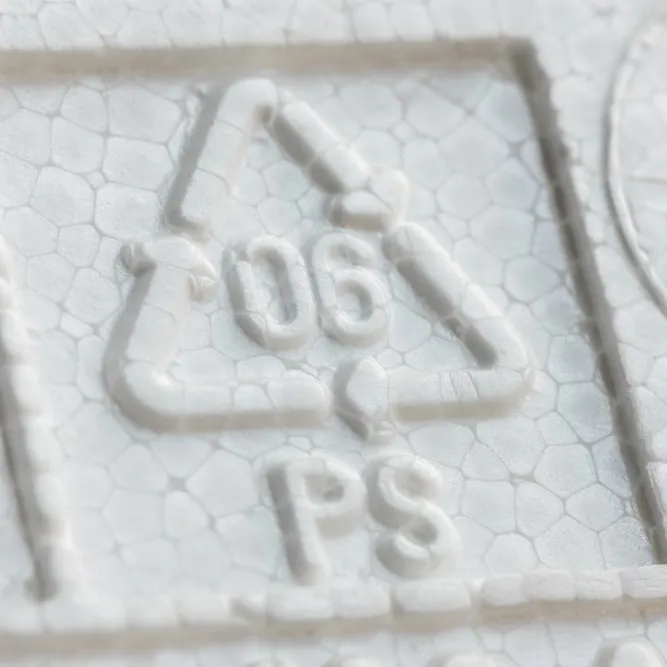
Polystyrene (PS) is a thermoplastic polymer produced through the polymerization of styrene monomers, resulting in a versatile material with broad industrial applications. Polystyrene plastic supports various applications across packaging, consumer goods, and construction, with more limited use in the automotive industry, due to its adaptable structure and reliable performance. The lightweight and rigid nature of PS allows manufacturers to reduce material usage while maintaining product durability, contributing to cost-effective production across various sectors.
Polystyrene uses include containers, insulation panels, appliance housings, and display components, where clarity, strength, and formability are essential. Recyclable polystyrene supports recovery and reuse in closed-loop systems; however, the recycling infrastructure for polystyrene remains limited in many regions. Foam-based products (styrofoam) rely on expanded PS to deliver cushioning, thermal insulation, and structural support in packaging and building materials. The combination of low density, moldability, and recyclability makes polystyrene a practical choice for industries seeking efficient and scalable solutions, though its recycling rates are limited in some regions.
What is Polystyrene (PS)?
Polystyrene (PS) is a thermoplastic polymer formed through the polymerization of styrene monomers, resulting in a solid material with a consistent molecular structure. The PS material combines low density with rigidity, allowing manufacturers to produce lightweight components that retain shape under mechanical stress. The balance supports its use in packaging, insulation, consumer products, and disposable items where structural integrity and reduced mass are essential. Polystyrene resists degradation when exposed to some acids, bases, and various solvents, though it is affected by stronger solvents (acetone). It makes it suitable for laboratory containers, food service items, and industrial housings. The question, "What is polystyrene?" reflects interest in a material that delivers functional benefits through its mechanical stability, chemical resistance, and cost-effective production.
How is Polystyrene Made?
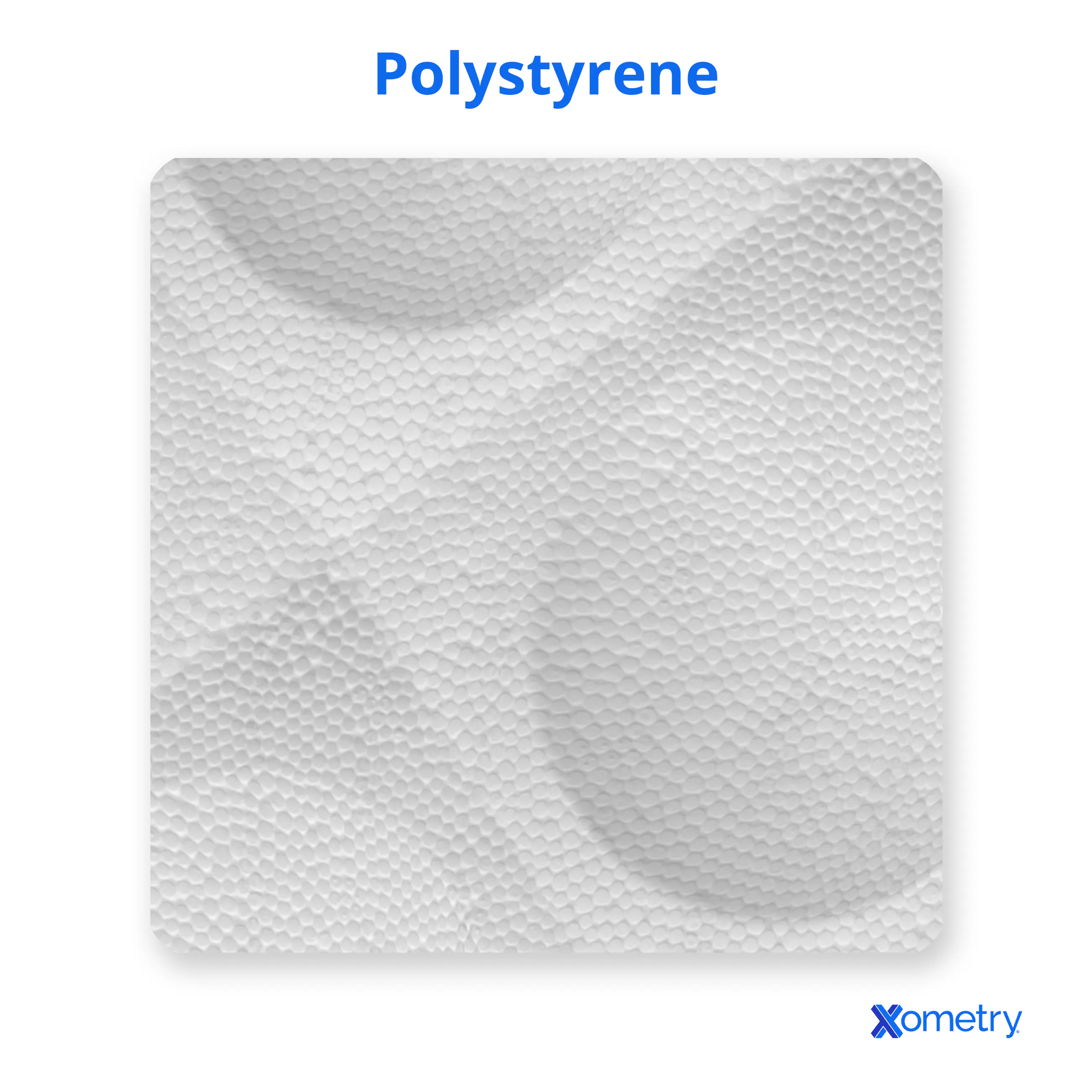
Polystyrene is made by polymerizing styrene. The method begins with the activation of styrene molecules using initiators that trigger chain reactions, resulting in the formation of long polymer chains with a consistent molecular structure. Polystyrene produces a stable thermoplastic material that is shaped into solid sheets or expanded into foam. The ability to control density and rigidity during production allows manufacturers to tailor the PS material for specific uses. The question "how is polystyrene made" reflects interest in a process that supports packaging, insulation, consumer goods, and disposable items by delivering lightweight, chemically resistant, and moldable components. The versatility of polystyrene results from its structural simplicity and adaptability across various manufacturing environments.
What is the Polystyrene Full Form?
The full form of Polystyrene is Polymerized Styrene monomers. Polystyrene belongs to the category of thermoplastic polymers and is commonly referred to as PS plastic in the manufacturing and packaging industries. The material supports large-scale production due to its low cost, moldability, and lightweight structure. PS plastic appears in consumer goods, food containers, insulation panels, and construction materials where rigidity and chemical resistance are required. The PS full form in plastic is a polymer that delivers practical benefits through its mechanical stability, visual clarity, and adaptability across various product formats. Polystyrene continues as a foundational material in sectors that prioritize efficiency, affordability, and consistent performance.
What Are the Main Challenges in Manufacturing PS Plastic?
The main challenges in manufacturing PS plastic are listed below.
- Cost of Production: Polystyrene manufacturing is an energy-intensive process that requires precise temperature control, resulting in increased operational expenses. The need for specialized equipment and consistent raw material quality contributes to higher production costs, adding to the disadvantages of polystyrene.
- Environmental Impact: Polystyrene issues (poor biodegradability and limited recycling infrastructure), which lead to long-term waste accumulation. Its widespread use in disposable products intensifies ecological concerns in regions lacking effective waste management systems.
- Quality Control: Maintaining uniformity in PS plastic requires strict monitoring of mold conditions, cooling rates, and material purity to ensure consistency. Variations in processing parameters often result in defects (warping, brittleness, or inconsistent surface finish), complicating large-scale production.
- High Energy Consumption: Producing PS plastic requires precise thermal control and continuous processing, resulting in increased energy demand during manufacturing. The factor contributes to the disadvantages of polystyrene by raising operational costs and limiting efficiency in large-scale production.
- Limited Biodegradability: Polystyrene issues (resistance to natural decomposition) lead to persistent waste in landfills and marine environments. The material’s long lifespan outside controlled disposal systems creates environmental concerns for manufacturers and consumers.
- Surface Brittleness: PS plastic exhibits low impact resistance, making it prone to cracking or chipping during handling or post-processing. The mechanical limitation affects product durability and restricts its use in applications requiring toughness.
- Recycling Constraints: The recycling process for PS plastic remains inefficient due to contamination risks and limited infrastructure. The disadvantages of polystyrene diminish its appeal in sustainable industries and complicate waste management.
- Dimensional Instability Under Stress: Polystyrene exhibits problems related to its vulnerability to mechanical stress and temperature changes, resulting in warping or shrinking. Ensuring consistent dimensions during molding demands strict control, which adds complexity to the production process.
How Does Polystyrene Material Affect the Quality of Products?
The polystyrene material affects the quality of products by providing a combination of rigidity and durability, while also offering limited impact resistance, which supports consistent performance. The structural stiffness of polystyrene enables finished items to retain their shape under moderate mechanical stress, contributing to their long-term reliability in packaging, insulation, and consumer goods. Polystyrene offers some resistance to cracking and surface deformation during handling, though it remains prone to brittleness under higher stress or impact. It makes it suitable for products requiring clean edges and a uniform appearance. The ability of polystyrene to be molded into detailed forms supports the production of complex shapes without compromising dimensional accuracy or surface finish. The property is essential in how polystyrene affects products that demand visual clarity, lightweight construction, and cost-effective manufacturing. Polystyrene product quality strikes a balance between mechanical strength, process efficiency, and design flexibility, supporting large-scale production across multiple industries.
What Are the Advantages of Polystyrene?
The advantages of Polystyrene are listed below.
- Cost-Effective: Polystyrene has low production costs due to its simple polymerization process and abundant raw materials, which support high-volume manufacturing.
- Versatile: The ability to mold polystyrene into detailed and consistent shapes enables manufacturers to produce a greater variety of products. The flexibility in design and form contributes to polystyrene's benefits across packaging, insulation, and consumer goods.
- Availability: Polystyrene remains accessible via global supply chains and is common in everyday items (packaging, food containers, and disposables), reflecting its practicality and reliability.
- Lightweight Structure: Polystyrene's low density and rigidity lower transport costs and ease handling, supporting its use in disposable items and packaging.
- Chemical Resistance: The polymer exhibits resistance to specific acids, bases, and solvents, enhancing its durability in laboratory containers and industrial applications. It is susceptible to certain solvents (acetone), which limits its application in some chemically active environments.
- Thermal Insulation: Expanded polystyrene traps air in closed cells, offering thermal resistance. The feature supports its use in construction and refrigeration.
- Visual Clarity: Polystyrene provides a transparent finish that boosts
product visibility and presentation, adding value in retail packaging and displays.
What Are the Disadvantages of Polystyrene?
The disadvantages of Polystyrene are listed below.
- Environmental Concerns: The environmental impact of Polystyrene includes long-term waste accumulation due to poor biodegradability and limited recycling infrastructure. Disposal challenges and pollution risks hinder the use of polystyrene in sustainable industries.
- Brittleness: Polystyrene exhibits low impact resistance, which increases the likelihood of cracking or breaking under stress. Its weakness limits its use in flexible or rigid products.
- Flammability: Polystyrene ignites easily and releases toxic fumes when burned, posing safety risks in high-temperature environments. Its flammability restricts its use in fire-resistant areas.
- Limited Recycling Infrastructure: Recycling polystyrene needs specialized facilities, which are scarce in many areas. Contamination and transport costs also hinder large-scale recycling.
- Low UV Resistance: Sunlight degrades polystyrene over time, causing discoloration and surface weakening, which impacts outdoor applications that require durability.
- Poor Biodegradability: Polystyrene remains in nature for decades, resisting microbial breakdown, which leads to pollution and ecological harm.
- Chemical Sensitivity: Certain solvents and oils can cause polystyrene to soften or dissolve, thereby reducing its compatibility with industrial chemicals. It limits its performance in labs and packaging.
What Are the Properties of Polystyrene?
The properties of Polystyrene are listed below.
- Low Density: Polystyrene maintains a lightweight structure due to its low molecular density, which reduces material mass without compromising form. The characteristic provides efficient transportation and handling in packaging and consumer goods, reflecting its properties.
- High Rigidity: The material resists deformation under pressure, providing structural stiffness that supports product integrity and stability. The rigidity contributes to polystyrene material properties valued in containers, trays, and molded components.
- Strong Tensile Strength: Polystyrene exhibits moderate resistance to tearing and stretching, ensuring durability in thin-walled applications. It remains brittle and cracks under impact, making it suitable for disposable items and protective packaging that do not face high impact.
- Thermal Stability: Polystyrene resists moderate heat without melting or warping, maintaining shape during processing and use. Its thermal resistance is essential for insulation and food service products.
- Visual Clarity: The polymer offers a transparent finish that enhances visibility and presentation in retail packaging, adding value to polystyrene where product display is crucial.
- Chemical Resistance: Polystyrene exhibits resistance to some acids and bases, thereby protecting its surface and structure in reactive environments. It is vulnerable to many organic solvents, which limits its use in certain applications (chemical storage).
- Ease of Molding: The material flows smoothly during processing, allowing precise shaping into complex forms. Its moldability supports the consistent production of detailed consumer and industrial items.
What is the Density of Polystyrene?
The density of Polystyrene ranges from 1.04 to 1.06 g/cm³, placing it among lightweight thermoplastics used in industrial and consumer applications. The density of Polystyrene (PS) supports a rigid and solid structure that maintains shape under moderate stress, making it suitable for packaging, insulation, and molded components. The balance between low mass and structural integrity allows manufacturers to produce items that require dimensional stability without adding unnecessary weight. The density of PS contributes to its widespread use in sectors that prioritize cost-effective materials with predictable mechanical behavior.
What is the Melting Point of Polystyrene?
The melting point of Polystyrene ranges from 240 to 270°C, placing it within the category of thermoplastics suitable for moderate heat applications. The PS melting point supports the production of containers, trays, and household items that require dimensional stability during exposure to elevated temperatures. The thermal behavior of polystyrene allows it to keep its shape without warping or softening when heated under controlled conditions. The polystyrene’s melting point reflects a balance between ease of processing and performance, making it a practical choice for molded products that require heat resistance without losing structural integrity.
What is the Chemical Formula of Polystyrene?
The chemical formula of Polystyrene is expressed as “(C8H8)n,” where “n” indicates the “number of repeating styrene monomers” in the polymer chain. The arrangement forms a stable hydrocarbon backbone that supports rigidity and maintains structural integrity under mechanical stress. It reflects a configuration that allows the material to be molded into precise shapes without losing dimensional accuracy. The absence of reactive functional groups contributes to resistance against some acids, bases, and solvents, supporting its use in chemically active environments. Solvents (such as acetone) affect its performance under certain conditions. The polystyrene chemical formula defines a polymer that provides reliable mechanical properties and processing performance across various applications, including packaging, insulation, and consumer products.
What is the Structure of Polystyrene?
The structure of Polystyrene consists of a linear arrangement of styrene monomers connected through carbon-carbon bonds, forming a stable polymer chain. Each repeating unit contains a phenyl group (-C6H5) attached to the backbone, which contributes to the rigidity of the material. It is considered an amorphous polymer, while polystyrene has some crystalline regions. The configuration allows the polystyrene structure to maintain dimensional stability and resist deformation under mechanical stress. The presence of the aromatic ring influences the polymer’s thermal behavior and surface hardness, making it suitable for solid applications (containers, trays, and insulation panels). The structure of polystyrene supports consistent performance across various applications, including packaging, consumer goods, and industrial components that require both strength and visual clarity.
What is Polystyrene Used for?
Polystyrene is used for packaging materials, disposable items (such as cutlery and cups), insulation panels, and electronic housings. The material's lightweight yet rigid design makes it versatile for various applications, enabling manufacturers to create durable and cost-effective products. Its ability to maintain shape under moderate pressure and resist moisture contributes to its popularity in food service and protective packaging, though it remains prone to brittleness under impact. Polystyrene uses extend into construction, where expanded forms provide thermal insulation in walls and roofing systems. The question, "What is polystyrene used for?" reflects interest in a polymer that delivers mechanical stability, visual clarity, and process efficiency across multiple industries.
Which PS Materials Are Used for Medical Applications?
The PS materials used for medical applications are diagnostic equipment housings, petri dishes, and syringes, which demand structural precision, chemical stability, and safe contact with biological materials. Their rigid structure ensures they retain shape and clarity throughout laboratory procedures. The material resists degradation from some sterilization processes, allowing repeated exposure to heat or disinfectants without compromising surface integrity, though it is not suitable for high-heat sterilization methods (autoclaving). Polystyrene for medical use strikes a balance between biocompatibility and mechanical strength, making it ideal for certain items that come into contact with the human body. More biocompatible materials (polypropylene) are preferred for long-term direct contact. Polystyrene medical applications benefit from its ability to deliver consistent performance in controlled environments where hygiene and dimensional accuracy are essential.
Can Polystyrene Plastic be Used in Medical Implants?
Yes, Polystyrene plastic can be used in medical implants, but it is not a permanent solution. The material lacks the long-term biostability required for implantation inside the human body, which limits its role in surgical or orthopedic procedures. Polystyrene is used in medical implants for temporary devices that interact with biological tissues under controlled conditions. Its biocompatibility supports short-term applications (petri dishes, diagnostic housings, and disposable syringes). PS implants do not meet the mechanical and chemical standards necessary for permanent integration, but the polymer remains valuable in laboratory and clinical environments where sterilization and structural clarity are essential.
What Are the Applications of PS Material in Construction?
The applications of PS material in construction are listed below.
- Insulation: Polystyrene offers thermal insulation in walls, floors, and roofs due to its low thermal conductivity and closed-cell design, thereby reducing heat transfer and enhancing energy efficiency in buildings.
- Pipes and Fittings: Polystyrene is used in non-pressure piping and fittings due to its chemical resistance and stability. Its firmness and ease of molding ensure consistent performance in drainage and ventilation components.
- Roofing Membranes: Polystyrene supports roofing membranes by providing a lightweight, moisture-resistant barrier that aids in thermal regulation and maintains roof integrity under various conditions.
- Void Formers in Concrete: Expanded polystyrene creates voids in concrete slabs and beams, reducing material use and weight. It helps distribute the load efficiently without losing strength.
- Decorative Molding and Trim: Polystyrene is used for architectural trims, cornices, and moldings in interior and exterior finishes. Its smooth, lightweight surface makes installation and detailed shaping easy.
- Under-Slab Insulation: Polystyrene boards beneath concrete slabs prevent heat loss, aiding thermal regulation in basements and ground floors.
- Soundproofing Barriers: Polystyrene in acoustic panels helps reduce sound transmission between walls and floors when used in combination with other sound-absorbing materials in homes and buildings.
What Role Does Polystyrene Play in Automotive Safety Features?
The role that Polystyrene plays in automotive safety features is listed below.
- Airbags: Polystyrene is used in the housing and storage components of airbag systems, offering a lightweight and strong structure that helps protect the system during deployment.
- Bumpers: Polystyrene in bumper systems absorbs impact, reduces damage, maintains shape, and buffers external forces.
- Interior Components: Polystyrene is used in dashboards, door panels, and trims where rigidity and surface durability are needed. Its ability to retain form under stress ensures consistent performance in daily driving.
- Child Safety Seat: Expanded polystyrene in child restraint systems cushions impacts and supports head and torso alignment. Its shock-absorbing properties help reduce injury risk during collisions.
- Side Impact Protection: Polystyrene in door structures reinforces impact zones and manages energy transfer, supporting passenger safety by reducing intrusion and preserving cabin integrity.
What Are the Benefits of PS Plastic in Food Packaging?
The benefits of PS plastic in food packaging are listed below.
- Non-Toxic: Polystyrene complies with FDA standards for food contact, ensuring safe use in containers, trays, and utensils under typical conditions. Its chemical stability helps prevent leaching, though caution is advised when used with hot or fatty foods.
- Durability: Polystyrene resists moisture and temperature fluctuations, thereby maintaining food quality during storage. Its rigid structure prevents physical damage during transport and display.
- Cost-Effective: Polystyrene offers a low-cost, recyclable option for high-volume food packaging, reducing material costs and supporting waste reduction in commercial settings, although recycling infrastructure is limited in some areas.
- Lightweight Structure: Polystyrene offers low weight and rigidity, reducing shipping costs and facilitating easier handling. Its structure supports stackable designs and storage efficiency.
- Visual Clarity: Polystyrene provides a transparent surface, offering clear product visibility and enhancing presentation and consumer confidence.
- Recyclability: Polystyrene is recyclable, although the availability of recycling infrastructure is limited. It helps reduce landfill waste and promote material recovery where recycling facilities exist, aiding sustainable packaging in food service and retail.
What is the Cost of PS Plastic Compared to Other Plastics?
The cost of PS plastic is typically between $1.10 and $1.50 per kilogram, making it more affordable compared to other plastics (polycarbonate and polyethylene), though prices vary depending on market conditions. The cost of polystyrene remains lower than that of many engineering plastics, which exceed $2.00 per kilogram, depending on grade and supplier. The pricing advantage supports its use in high-volume production settings where material costs directly affect product viability. The polystyrene cost comparison highlights a balance between affordability and functional performance, enabling manufacturers to meet packaging and disposable product needs without sacrificing fundamental structural integrity. Availability and reliable supply chains make polystyrene a practical choice for industries focused on efficiency and large-scale production.
How is Polystyrene Recycled?
Polystyrene is recycled through mechanical or chemical methods that convert waste material into reusable forms (pellets, sheets, or foam products). Mechanical recycling processes grind and reheat polystyrene plastic, while chemical recycling breaks down the polymer into its monomer components for repolymerization. The global recycling rate remains low due to contamination, high transportation costs, and limited access to specialized facilities, despite the technical feasibility of recycling polystyrene. The barriers hinder the widespread adoption of polystyrene recycling and contribute to waste accumulation. The polystyrene recycling infrastructure continues to face challenges in scaling up, improving efficiency, and achieving economic sustainability.
Is Polystyrene (PS) More Transparent than Polycarbonate (PC)?
No, Polystyrene (PS) is not more transparent than Polycarbonate (PC). Polystyrene provides a clear appearance due to its amorphous structure, which allows light to pass through with minimal distortion. Polycarbonate offers superior optical clarity by maintaining higher light transmission and lower haze across a broader range of thicknesses and environmental conditions. The difference results from the molecular arrangement and impact resistance of PC, which preserves transparency under stress and temperature variation. Applications (safety lenses, display panels, and optical housings) rely on the clarity and toughness of Polycarbonate to maintain visual performance and structural integrity. Polystyrene supports packaging, disposable containers, and display trays that meet both basic transparency and functional and economic requirements. Each material serves distinct roles based on the level of visual precision and durability required in the final product.
Does Polystyrene (PS) Have Better Surface Finish than High-Density Polyethylene (HDPE)?
Yes, polystyrene (PS) has a better surface finish than high-density polyethylene (HDPE). Polystyrene provides a smoother and glossier surface due to its rigid molecular structure, which facilitates clean mold replication and minimizes surface irregularities. High-density polyethylene exhibits a more waxy and matte appearance, resulting from its semi-crystalline nature and flexible behavior during cooling. Surface finish quality influences product appearance by affecting visual clarity, texture uniformity, and perceived value. Applications that prioritize aesthetic appeal or require precise detailing benefit from the consistent and polished surface provided by polystyrene. Functional designs that prioritize flexibility and impact resistance over visual refinement are well-supported by High-Density Polyethylene (HDPE). The difference in surface characteristics reflects the distinct roles each material plays in manufacturing environments focused on either presentation or durability.
Is Polystyrene (PS) More Rigid than Polyethylene (PE)?
Yes, Polystyrene (PS) is more rigid than Polyethylene (PE). Polystyrene maintains a solid structure under mechanical stress due to its brittle and glass-like composition, which supports applications that require dimensional stability and structural integrity. Its rigidity allows it to maintain its shape while being used. Polyethylene is more flexible and ductile, enabling it to absorb impact and stretch without breaking. The behavior makes it ideal for applications that require pliability, such as containers, films, and tubing. The contrast between Polystyrene (PS) and Polyethylene (PE) reflects a material choice based on mechanical requirements, where PS favors stiffness and PE supports adaptability.
Does Polystyrene (PS) Offer Better Dimensional Stability than High Impact Polystyrene (HIPS)?
No, Polystyrene (PS) does not offer better dimensional stability than high-impact Polystyrene (HIPS). High-impact polystyrene exhibits greater dimensional consistency under mechanical stress and temperature fluctuations due to its modified structure, which incorporates rubber additives that enhance toughness and flexibility. The composition allows HIPS to resist warping and shrinkage during processing and use, making it more reliable in environments with variable thermal or physical demands. Polystyrene lacks the impact modifiers found in High Impact Polystyrene (HIPS), resulting in a more brittle behavior and reduced tolerance to deformation. In applications requiring long-term shape retention or exposure to dynamic conditions, PS exhibits lower stability and greater susceptibility to cracking or distortion. The difference in performance reflects the structural reinforcement present in HIPS, which supports its use in demanding manufacturing settings.
Is Polystyrene (PS) More Lightweight than Polylactic Acid (PLA)?
Yes, Polystyrene (PS) is lighter than Polylactic acid (PLA). Polystyrene exhibits a lower density compared to PLA, resulting in reduced mass across equivalent volumes. The characteristic supports its use in packaging and single-use products where material weight directly affects transportation cost and handling efficiency. The lightweight nature of PS allows manufacturers to produce items that maintain structural form without adding unnecessary bulk. A greater mass resulting from the molecular composition influences suitability for applications requiring higher rigidity or thermal resistance, a characteristic of Polylactic Acid (PLA). The reduced weight of PS contributes to faster production cycles, lower shipping expenses, and improved stacking performance in storage environments. Each material serves distinct roles, but PS remains preferred in contexts where minimal weight and cost-effective distribution are essential.
Does Polystyrene (PS) Have Better Electrical Insulation Properties than Polyethylene Terephthalate (PET)?
Yes, Polystyrene (PS) has better electrical insulation properties than Polyethylene Terephthalate (PET). Polystyrene exhibits lower electrical conductivity due to its non-polar molecular structure, which restricts the movement of charge carriers and supports stable insulation across a range of voltages. PET contains polar functional groups that increase its dielectric constant, reducing its effectiveness as an insulator under certain conditions. Electrical insulation plays a critical role in applications (circuit boards, housing for electronic components, and protective casings), where material stability and resistance to current leakage are essential. PS supports the requirements by maintaining consistent performance in dry environments and under moderate thermal loads. Mechanical applications that prioritize strength and thermal resistance over electrical isolation are better served by Polyethylene Terephthalate (PET). The difference in insulation behavior reflects the distinct chemical composition and intended use of each polymer.
Is Polystyrene (PS) More Suitable for Disposable Products than Nylon (PA)?
Yes, Polystyrene (PS) is more suitable for disposable products than Nylon (PA). Polystyrene supports high-volume production of single-use items due to its low material cost, ease of molding, and lightweight structure. Its ability to replicate fine details with minimal shrinkage allows manufacturers to produce consistent shapes without extensive tooling adjustments. Nylon exhibits greater mechanical strength and thermal resistance, making it more suitable for durable applications, such as mechanical components and wear-resistant parts. The higher cost and processing demands of Nylon (PA) limit its practicality in disposable formats. Polystyrene remains the preferred choice for packaging, food containers, and other short-term products where affordability, speed, and visual clarity are prioritized over long-term durability.
Does Polystyrene (PS) Perform Better in Low-Temperature Applications than Polybutylene Terephthalate (PBT)?
No, Polystyrene (PS) does not perform better in low-temperature applications than Polybutylene Terephthalate (PBT). PBT maintains greater mechanical stability and flexibility under cold conditions due to its semi-crystalline structure and resistance to thermal contraction. PS becomes brittle at low temperatures because its amorphous composition lacks the molecular resilience needed to absorb impact or resist cracking when exposed to cold environments. The behavior limits the use of PS in applications where durability and toughness are required in refrigerated or outdoor settings. PBT supports consistent performance across a wider temperature range, making it more reliable for components exposed to fluctuating or sub-zero conditions. The difference in thermal response reflects the structural limitations of Polystyrene (PS) and the reinforced capabilities of Polybutylene Terephthalate (PBT) in low-temperature environments.
Is Polystyrene (PS) More Scratch-Resistant than Acetal (POM)?
No, Polystyrene (PS) is not more scratch-resistant than Acetal (POM). Acetal provides greater resistance to surface damage due to its higher rigidity, dense molecular structure, and toughness under mechanical stress. The characteristics allow POM to maintain a smooth finish even under repeated contact or abrasion. Polystyrene lacks the same level of impact resistance and surface hardness, making it more vulnerable to scratches during handling or use. The reduced scratch resistance of PS does not interfere with functional performance in applications where surface appearance is less critical (disposable packaging or low-contact consumer items). The contrast in durability reflects the structural differences between Polystyrene (PS) and Acetal (POM), as well as their intended roles in manufacturing environments.
Summary
Polystyrene is a popular material in many applications, from parts of consumer goods to insulation and packaging solutions. Its moldability and low shrinkage make polystyrene suitable for injection molding. Moreover, polystyrene is the base material for various co-polymerization processes to produce better plastics with unique properties. It’s also used as polymer matrix for several composite materials.
Thinking about ordering polystyrene products? Engineers at Xometry are ready to help you choose which material and production technique will make your design project a success. Start your quote with Xometry today.
Disclaimer
The content appearing on this webpage is for informational purposes only. Xometry makes no representation or warranty of any kind, be it expressed or implied, as to the accuracy, completeness, or validity of the information. Any performance parameters, geometric tolerances, specific design features, quality and types of materials, or processes should not be inferred to represent what will be delivered by third-party suppliers or manufacturers through Xometry’s network. Buyers seeking quotes for parts are responsible for defining the specific requirements for those parts. Please refer to our terms and conditions for more information.